By Romina Vignati – Dermatocosmiatrician and Specialized Aesthetician
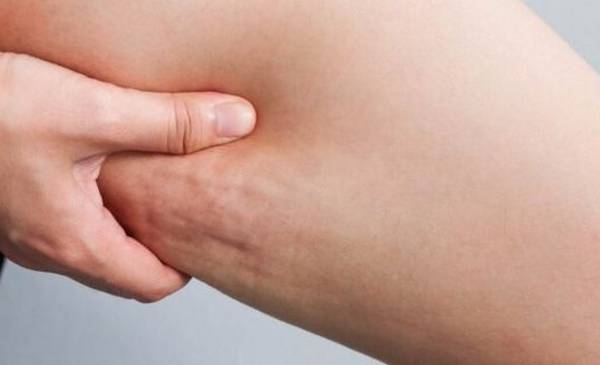
Cellulite is an alteration of the subcutaneous tissue that generates the typical “orange peel” appearance. It is not an infection or a disease, but rather an aesthetic condition linked to hormonal, circulatory and metabolic factors. It mainly affects women and is usually located on the thighs, buttocks, abdomen and arms.
Why does it appear?
There are various factors that influence its appearance: hormonal changes, fluid retention, sedentary lifestyle, stress, diet rich in sodium or sugars and lack of hydration. These conditions cause poor oxygenation and fluid accumulation, which alters the texture and firmness of the skin.
Treatments and professional approach
Cellulite can be visibly improved through personalized aesthetic protocols, designed according to the type and degree of the condition. Its approach requires an aesthetic and professional approach, using technologies and resources that act on the real causes of the problem.
The main objective is to stimulate collagen production, oxygenate tissues and promote lymphatic drainage to eliminate toxins. The most effective treatments combine the action of aesthetic equipment—such as radiofrequency, pressotherapy or mesotherapy—with advanced cosmetics and nutritional supplementation, which helps improve the structure of the skin from the inside.
The ideal approach integrates technology, professional support and healthy habits, achieving progressively firmer, more uniform and healthier skin.
Recommended and not recommended treatments
Among the most indicated are cryoradiofrequency, body radiofrequency, pressotherapy, body mesotherapy and platelet-rich plasma. On the contrary, cryolipolysis is not recommended: although it is effective for localized fat, it is not advisable in cases of cellulite or fluid retention, since the cold can aggravate congestion and cause unfavorable skin reactions.
Factors that worsen cellulite
Beer consumption can promote fluid retention and inflammation due to its content of yeast, carbohydrates and phytoestrogens from hops, interfering with circulation and stimulating the accumulation of localized fat. It is not about prohibiting it, but about balancing: consuming in moderation and staying well hydrated helps minimize its effects.
Other factors that can aggravate cellulite include a sedentary lifestyle, stress, lack of rest, a high-sodium or ultra-processed diet, and low water intake.
Exercise and evolution of cellulite
High-impact activities, such as jumping or intense jogging, can worsen cellulite, while low-impact exercises — walking, swimming, yoga or Pilates — improve circulation and oxygenate the skin.
If left untreated, cellulite can advance to deeper layers, causing heaviness, pain or circulatory problems. Therefore, prevention is easier than reversing it, and consistency is the key.