He finished toasting at home and a few hours later he started working on the radio for the first time. That January 1, 2014, Nicolás Reynoso began a new stage and, since then, in his hands he has the responsibility of mixing the sounds that come out on the air in the AM 1110.
After 12 years as a radio technical operator, Nicolás and his co-workers received a splash of cold water when they found out that The Macrista management wants to privatize all Buenos Aires public media: AM 1110, La 2×4 and the City Channel. The Legislature quickly rejected this initiative and questioned the head of government by submitting requests for reports.
“In my case there are many, there are people with even more seniority than me. There are professionals of all kinds and the radio does not stop. TEvery year it has a presence at the livestock exhibition “What is done in La Rural, at the Book Fair, at the World Tango Festival, is a radio that goes out into the streets in a mobile studio with which we broadcast from different places,” Reynoso listed in dialogue with Time.
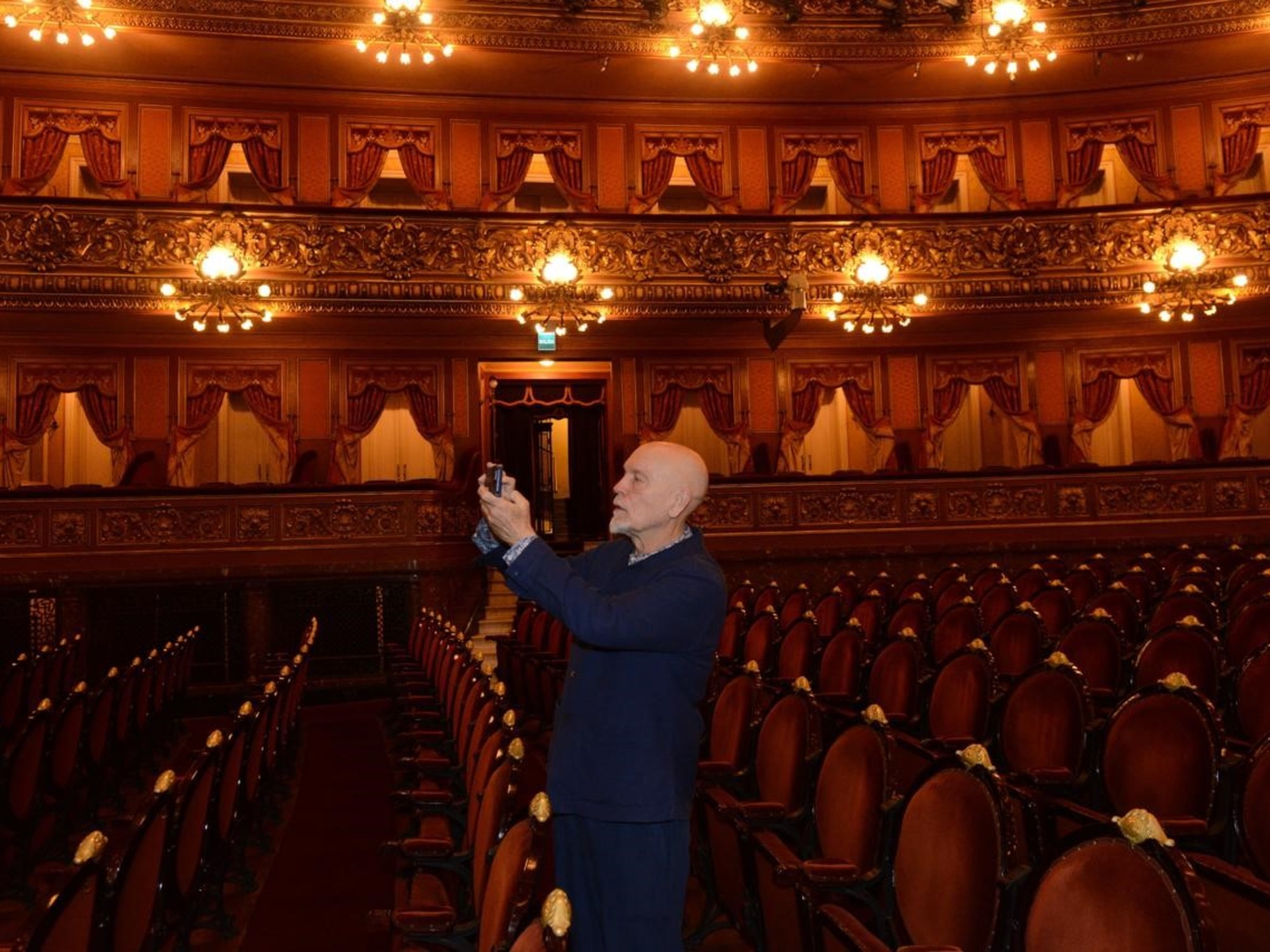
In 2027 the radio will turn 100 years old. It was born to spread the operas of the Teatro Colón and since then always maintained a very Buenos Aires cultural approach and that covers topics of national agenda, but without losing sight of the local issue.
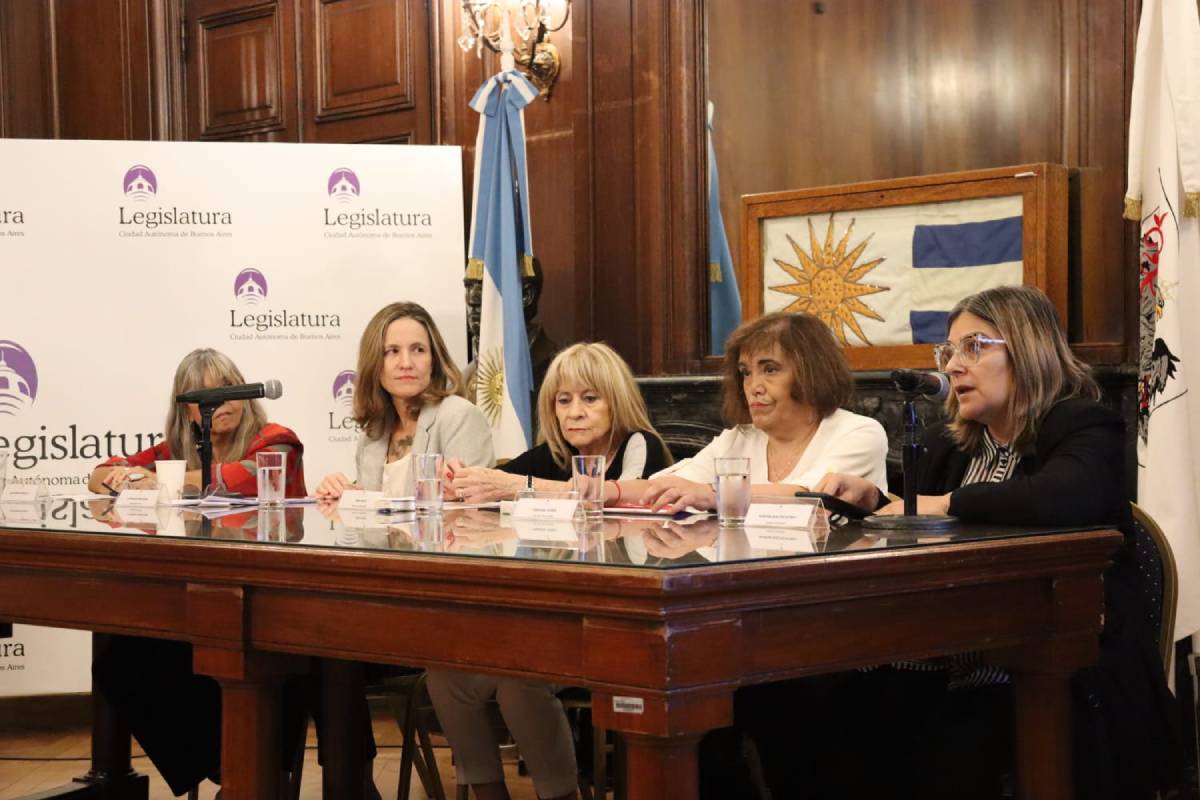
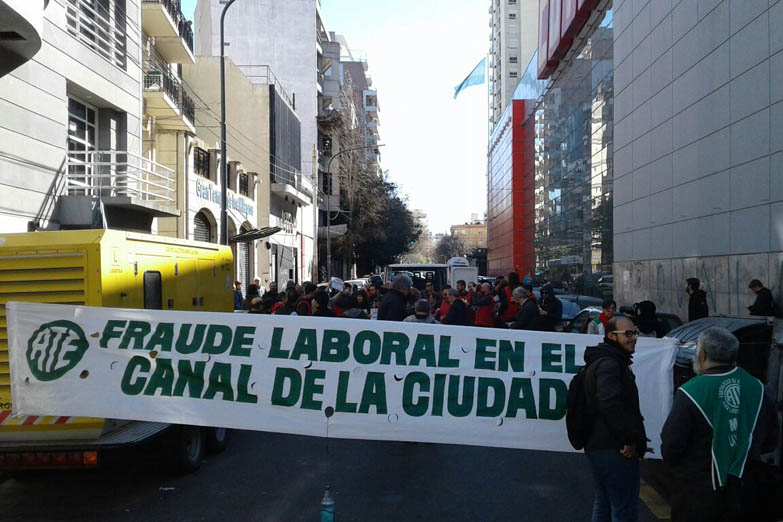
Carina López Monja has worked at Buenos Aires public radio for more than 20 years. In dialogue with TimeHe listed some points that were established in the assembly held by workers from the three Buenos Aires media: “We are not going to sit idly by in the face of the attempt to leave public media in the hands of a private party.” of the City. Firstly, because they are the property of the neighbors, they are not means of either the Government or Jorge Macri, who is circumstantially in charge of the Government. The media are a public asset,” said López Monja.
In the last hours the Buenos Aires chief of staff, Gabriel Sánchez Zinny, spoke in an interview in Infobae about the imminent privatization of CABA’s public media. “It seemed to us that it was better for the media to be managed by someone who has expertise, who knew about the media,” he argued.
In this regard, The City’s public media spokesperson rejected Zinny’s statements. “It generated a lot of anger and discomfort among the workers. It speaks of the expertise that is needed to manage the public media, as if the three media outlets in the city did not have awards, were not internationally recognized. As if it were not done by professionals. Experience, competence, professionalism, there is plenty in the three media, in fact many also work in private media at the same time, because no one has just one job,” adds López Monja. And finishes: “We are meeting with all Buenos Aires legislators so that they can express themselves about this decision by Jorge Macri.. “We are carrying out a campaign of signatures, support, solidarity with the public media and evaluating direct actions and others in judicial terms.”
The legislature seeks to establish a public media bill that is administered by the City. “It is something that Fuerza is working on in Buenos Aires and that in some way the frequencies will returnboth radio and TV, intangible, and make it clear that it is not a private medium of the head of government, but is the property of all Buenos Aires citizens,” he explained to Time the Buenos Aires deputy from Fuerza Patria Graciana Penafort.
And remember that although this is already established in the Buenos Aires Constitution, Jorge Macri has decided to ignore it. “That’s why we want to push for a city-run public media system.”similar to the public media system that the Argentine Republic has,” he added.
When asked about what is hidden behind this concessionPeñafort warns that it can be a big business, given that there are no more radio frequencies and channels available in the City for the private sector. “And I also think that with what the City spends on guidelines, Macri thinks he does not need to pay public media employees.”
It should be noted that during the week it was known a report made by the portal Checked where he revealed that in the first year of government, Jorge Macri spent almost $100 billion on advertisingand that Clarín was the most favored business group with 10.7% of the total.
The illegality of the concession of public means
The privatization initiative proposed by the head of Government Jorge Macri is illegal and contrary to the provisions of article 47 of the City Constitution and article 44 of Law 26,522.
“Clearly this violates the Buenos Aires Constitution. Public media are not the property of a current head of government, they belong to all citizens because they belong to the State of the City, and they fulfill a fundamental social role. We defend that character and social role that public media have. “As we also defend the existence of private media, the existence of community media, because all of this complements the media map,” he toldTime Agustín Lecchi, General Secretary of the Buenos Aires Press Union (Sipreba). The union leader also aims to protect all jobs and labor rights. “We know, and we have denounced it many times, that there were very large cases of precariousness and incorrect framing, which They did not respect the professional tasks of many of these colleagues, but we are concerned that with the privatization attempt they want to advance even further about their rights. And on the other hand, what we ask ourselves are two things: Where is the business? Because names of production companies that would fit into these tenders have already circulated, private producers linked to the Buenos Aires government. And what is the objective of Jorge Macri and the PRO? Compete on the right-wing agenda with La Libertad Avanza. So they are getting further to the right.. This is seen in repressive terms.in terms of social and community policy with the soup kitchens,” he concluded.