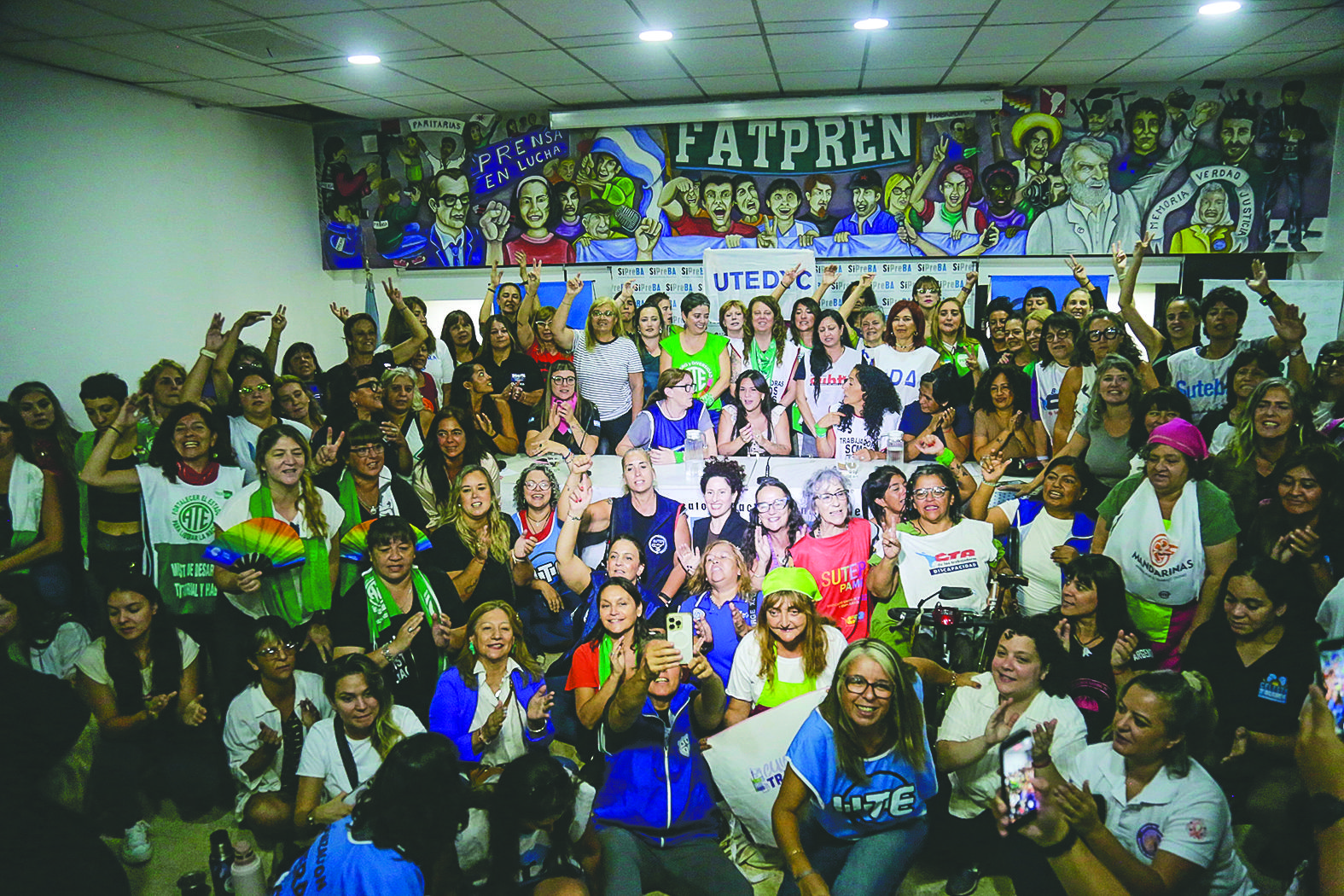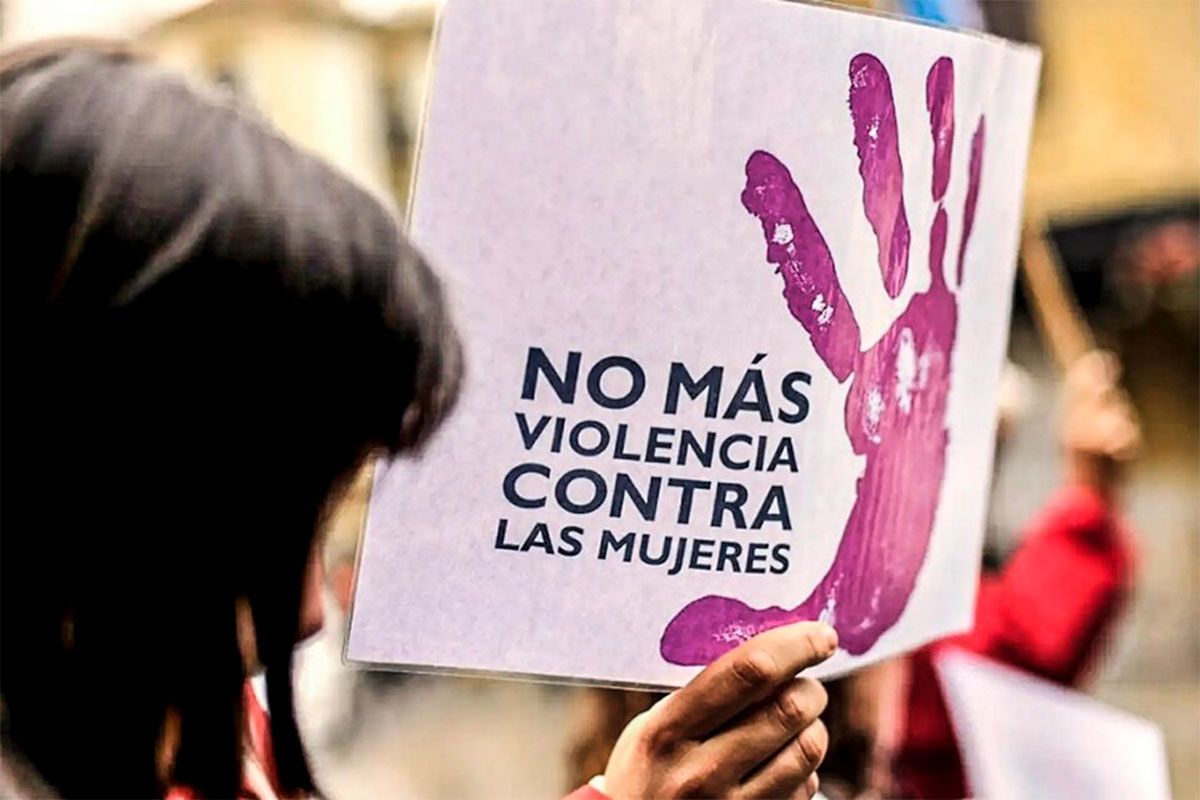
Every March 8th we talk about the same thing again. And that is not a coincidence or an empty repetition. It is evidence that the inequalities that affect women in the world of work are still present and remain structural.
In Argentina, women earn on average 26% less than men, even in comparable activities (INDEC, 2024). 26% claim to have been prevented from studying or working at some point in their lives. And 7 out of 10 feel that their ideas are not taken into account in their work spaces.
These data do not describe isolated situations. They set up a pattern.
We often hear that today “we all have the same opportunities.” However, when we look at the entire route, and not just the starting point, we see that the conditions are not equivalent. Caregiving responsibilities continue to fall disproportionately on women. Bias in decision-making, salary gaps, and invisible obstacles to accessing leadership positions persist.
From Natura Institute Foundation We decided to focus on those inequalities that, because they are repeated, run the risk of becoming naturalized. We launched a campaign called SAME, which starts from a simple scene: a shared start where all the people start at the same time, but they do not run under the same conditions. The metaphor is clear, formal equality does not guarantee real equality if the journey is crossed by structural disadvantages.
We get used to less being normal. Less salary for the same work, fewer development opportunities, less recognition, less impact in the spaces where decisions are made.
Putting these gaps in numbers allows us to size their scope and prevent them from being diluted in individual experiences. It is not just about describing a reality, but about having evidence to guide policies, review organizational practices and rethink the conditions in which work trajectories are built.
A more unequal 8M
But these inequalities are not isolated from the social fabric. They are part of a system that unequally distributes power, resources and opportunities. This unequal distribution is already a form of structural violence, which in its most extreme manifestations translates into explicit attacks.
He Violence Against Women Awareness Index provides a fact that challenges: only 27% of the population in Argentina presents high or very high levels of awareness about the problem. Two out of three people with a higher level of awareness are women. That is to say, the responsibility of making visible, naming and pushing the conversation continues to fall mostly on those who most directly experience its consequences.
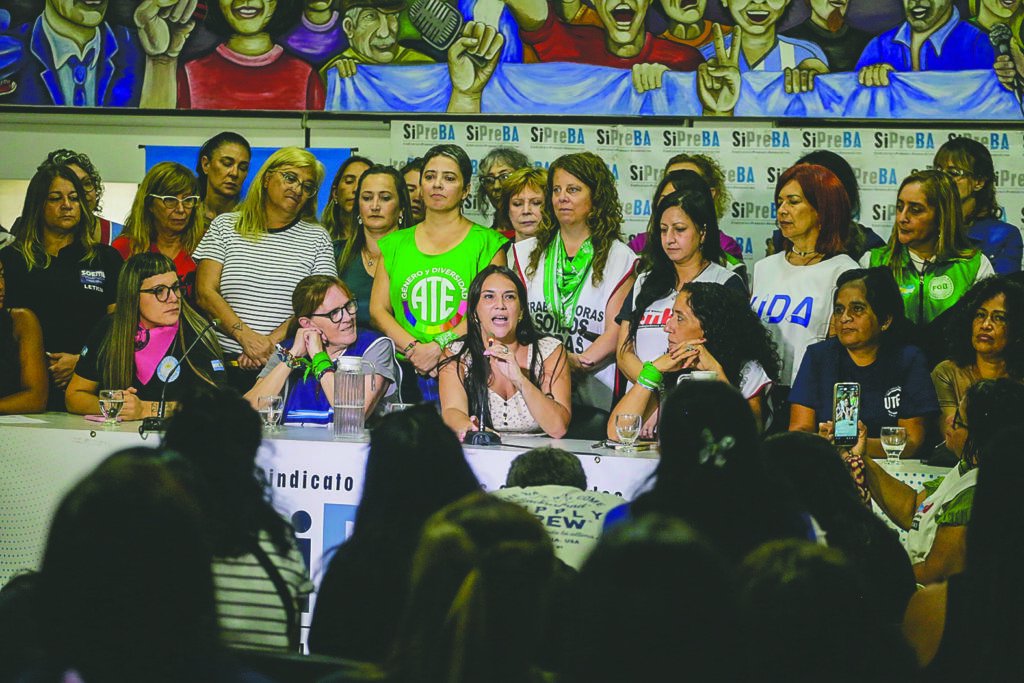
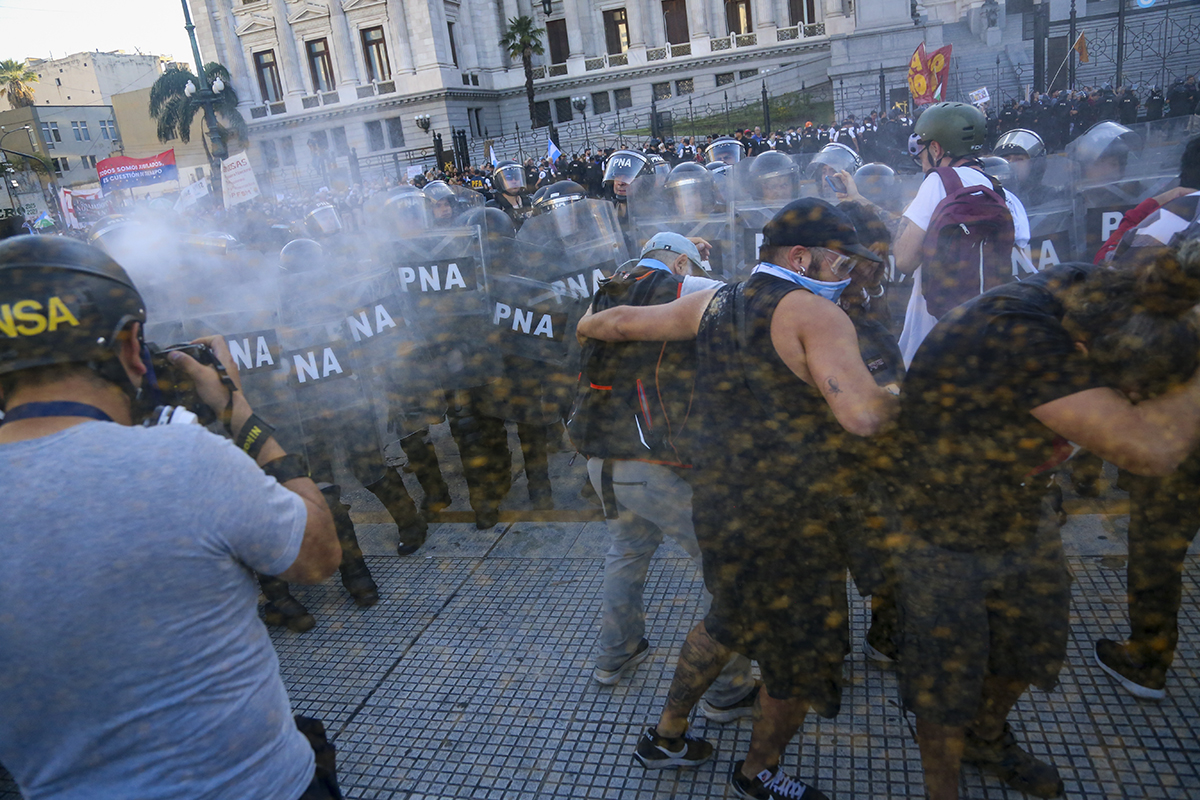
Photo: Mariano Martino

When we look at experiences, the distance between what happens and what is recognized is even more evident. 55% of women acknowledge having experienced some situation of violence; When specific situations are detailed, 87% identify at least one. However, not all of them can name it. The experience is there; What is often missing is the framework that allows it to be understood as part of a structural inequality.
Talking about the same thing, then, is not insisting on an exhausted topic. It is recognizing that the talent, effort and voice of women should have the same value. And that for opportunities to be truly equitable, it is first necessary to intervene on the conditions that today make the journey unequal.
That is why 8M is an opportunity to ask ourselves what we are taking for granted in our work environments. If we believe that it is enough to open the door, or if we are willing and able to review what happens after crossing it.
Transforming that “less” into “same” implies recognizing the differences, compensating for them and assuming that equity does not occur alone: it requires decisions, resources and sustained commitment. It is not a women’s issue; It is a collective responsibility.
Equality is not that all people start at the same time. It is that they can advance and develop under fair conditions. And that, still, remains a pending task.