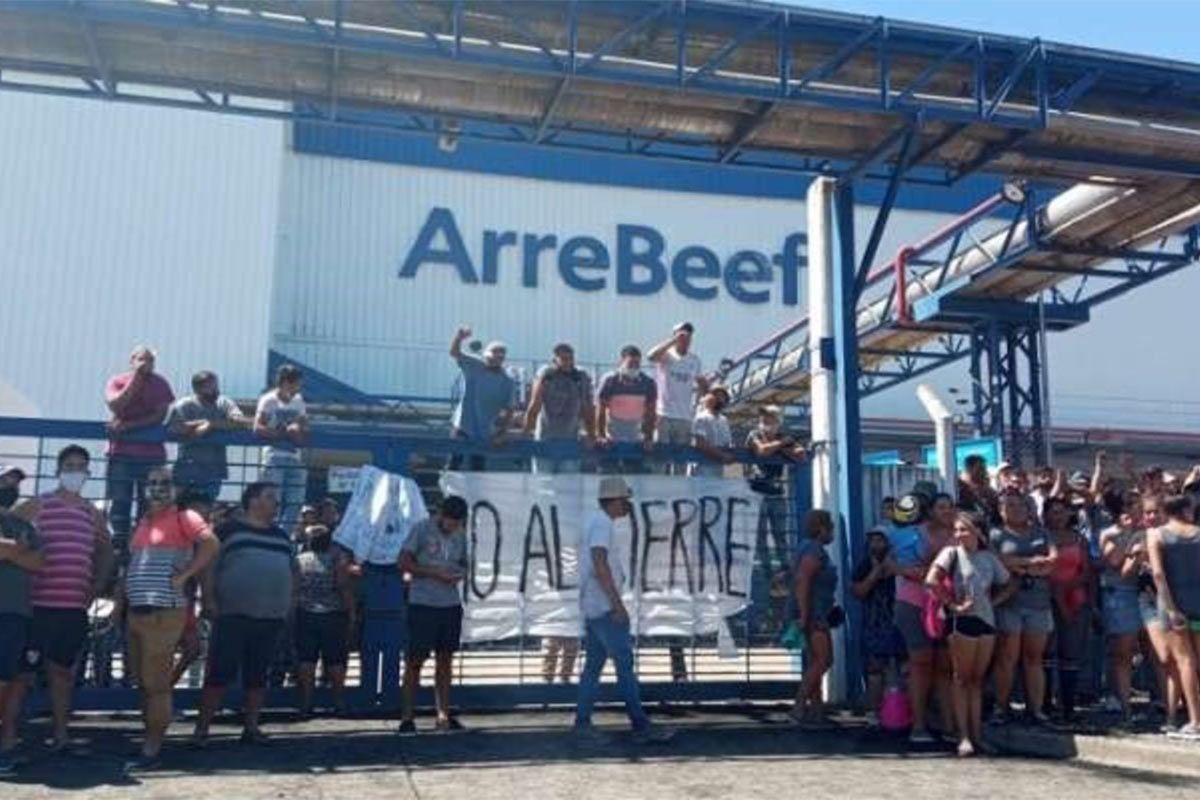
The lack of work, the massive layoffs, the brutal adjustment, the lack of food and the violence that grows day by day are the axes that allowed us to build the mobilization that takes place every year throughout the country to commemorate Working Women’s Day.
This year, in several provinces and cities, including the Autonomous City of Buenos Aires, it will be held on March 9, convened by the broad arc of the transfeminist assembly.
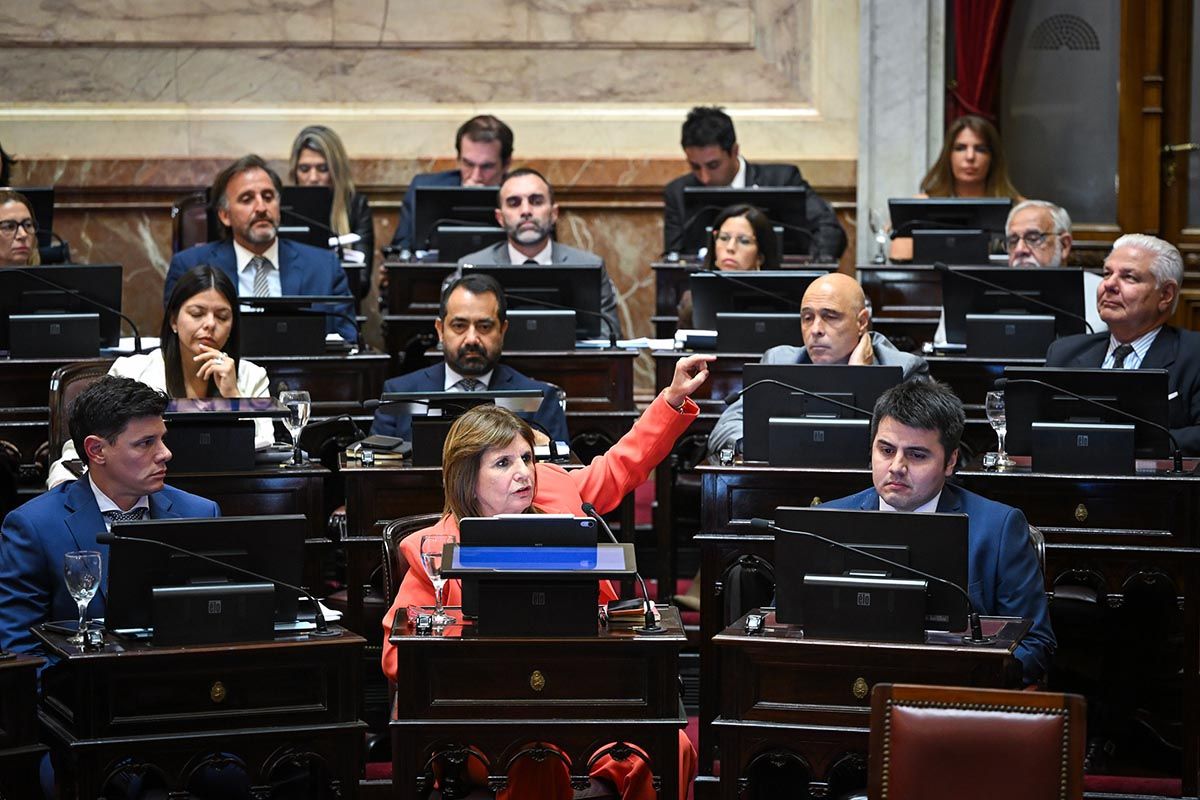
Popular feminism in Argentina always had great power and great prominence. Ten years ago it also reached enormous mass and imposed debates and problems on the political agenda and expanded the horizon of claims. The labor reform proposed by the government of Javier Milei and received the support of its political allies, once again attacked the daily life of working women, whom it also repressed and violated.
Unity in the streets
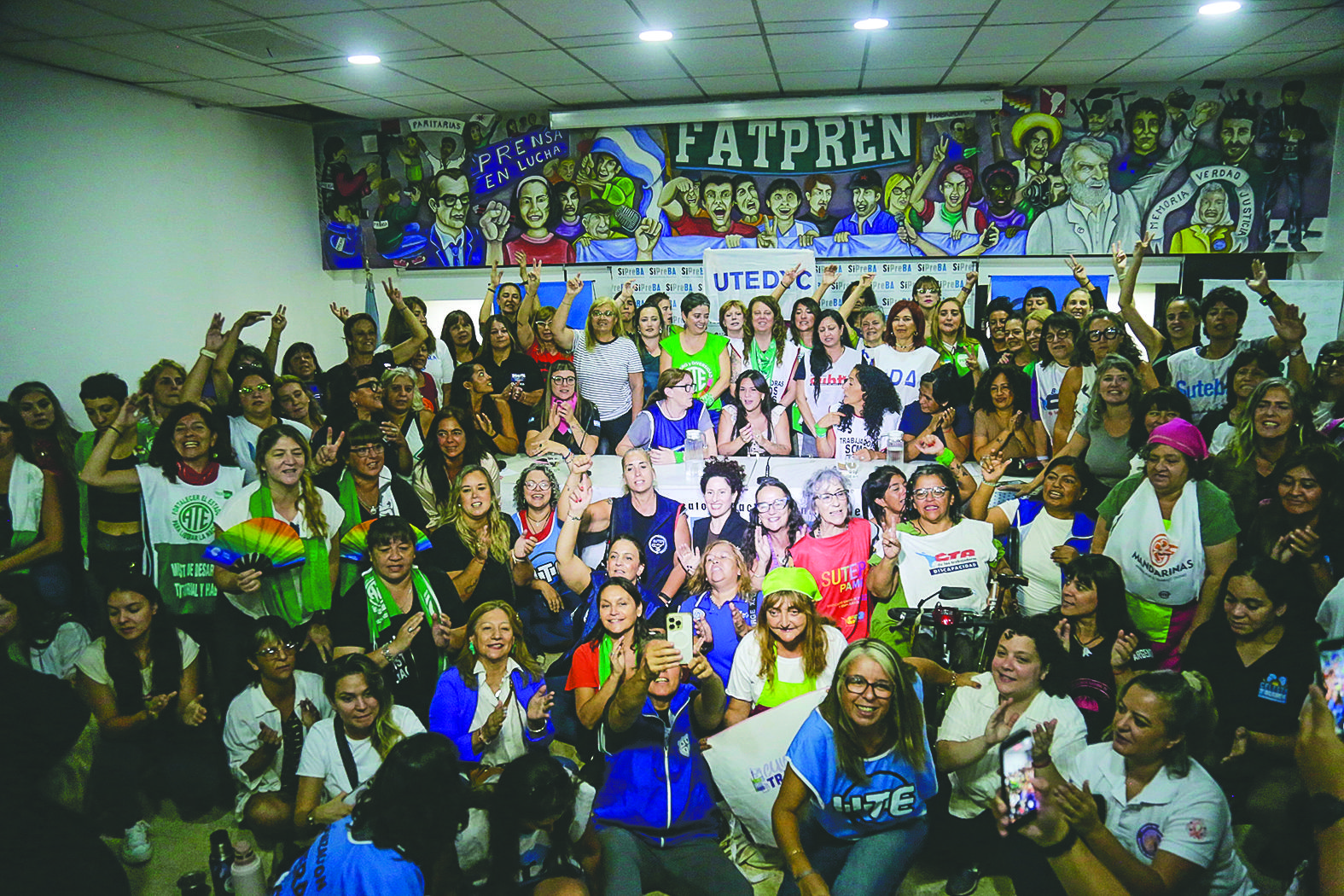
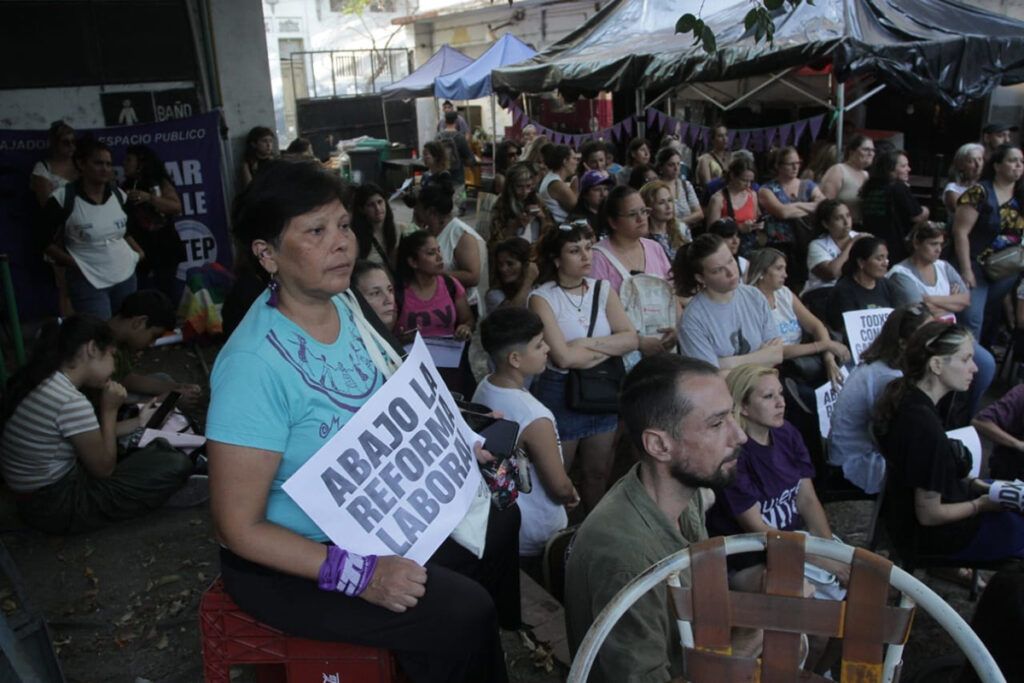
This year, for the first time, the feminist union bloc CTA T, CTA A, CGT and UTEP were the ones who called the preparatory assemblies for 8M.
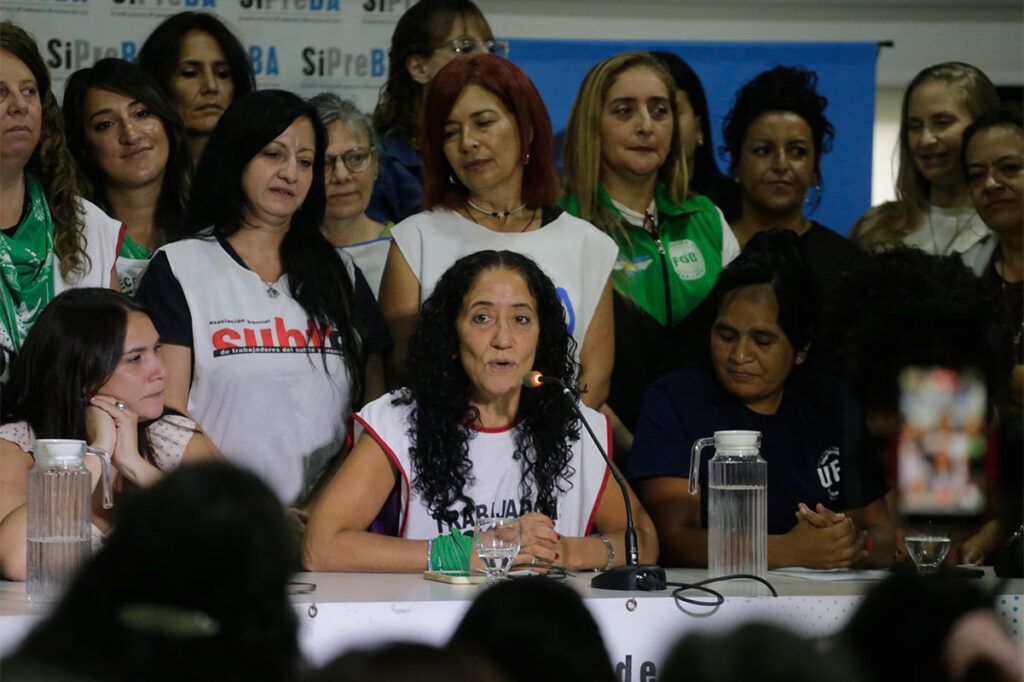
“We find ourselves in a very complex scenario, with adjustment policies, precariousness, factory closures and layoffs promoted by the national government, which deepens the feminization of poverty such as the non-delivery of food, the closure of essential programs and the abandonment of the State in key areas for the protection and promotion of women’s rights and diversities,” the bloc expressed in the press conference held at the headquarters of the Press Workers Union (SiPreba).
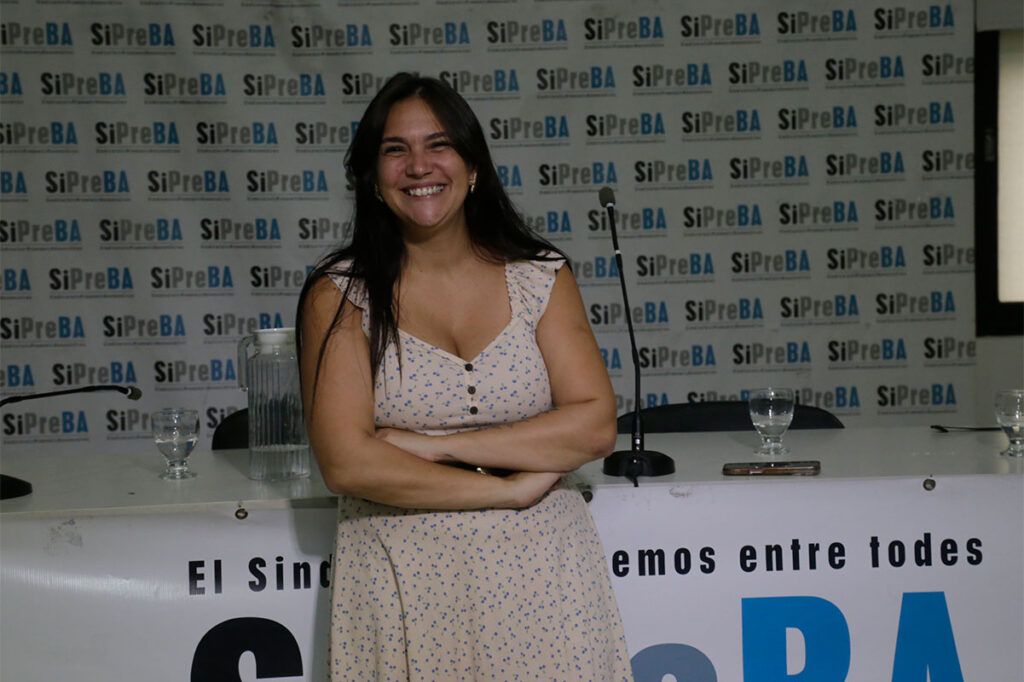
“We know the weight of each reform on our body because we live it every day. Every day we suffer firsthand the policies that this government carries out and for which women in particular were chosen as enemies,” said Carla Gaudensi, Gender Secretary of the General Confederation of Labor (CGT) and General Secretary of Fatpren. “Women were discussing how to improve licenses, a comprehensive care law, a recognized job. Now we are discussing a bank of hours… With that, Milei wants us to go back to being locked in our homes without being able to be in the world of work. We want a world of work with full employment, where we can all have access to work, to culture, where we can grow up with public education and public health.”
The unity of working women was and is this year the backbone of 8M. In that sense, Leonor Cruz, gender secretary of CTA Autónoma expressed. “For many years we have been building in a different way the new forms of unity that our people need. It is not just any March 8, today the movement is once again calling for rebellion to stand up and build an alternative that our people will fall in love with again.”
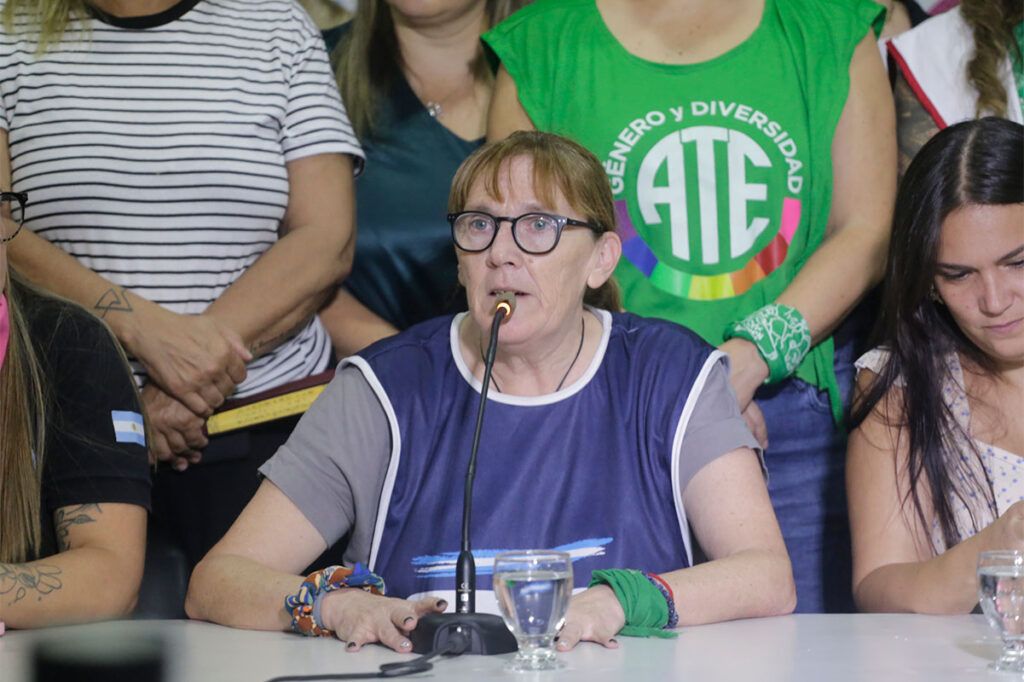
Regarding the unity of the union centers, he expressed, “there were discussions, tensions, we are not a group of ladies playing mate. We are unionists, feminists and deeply political. We are part of the organized labor movement. “We are the ones who from the beginning were on the streets demanding social justice, democracy, work and decent wages,” Cruz added.
This unity, says Clarisa Gamberra, also from CTA Autónoma, did not happen from one day to the next. «This block achieved a strike when Macri was there. And this government is the deepening of that model that began at that time. But it is also the deepening of unity that should not be recited, but rather should be exercised.”
For his part, Yamil Socolosky of the workers’ CTA added, “we do not resign ourselves to the slavery that they want to impose on us. This is also a call to the people to continue complaining against these policies. Because we can only fight this fight if we are able to put that will to fight in this key of unity that only the popular feminist movement has been able to build. “They were arduous days of debate where we built these fighting strategies.”
An 8M 50 years of the military dictatorship
Gaudensi, in dialogue with Tiempo, highlighted the importance of framing this mobilization in the 50 years of the civic-military coup. “As organized women and with the tradition of struggle that the Mothers and Grandmothers marked us, with that strength, with that conviction of active resistance, we face this government with its adjustment policies that are hitting us, particularly women and diversities.”
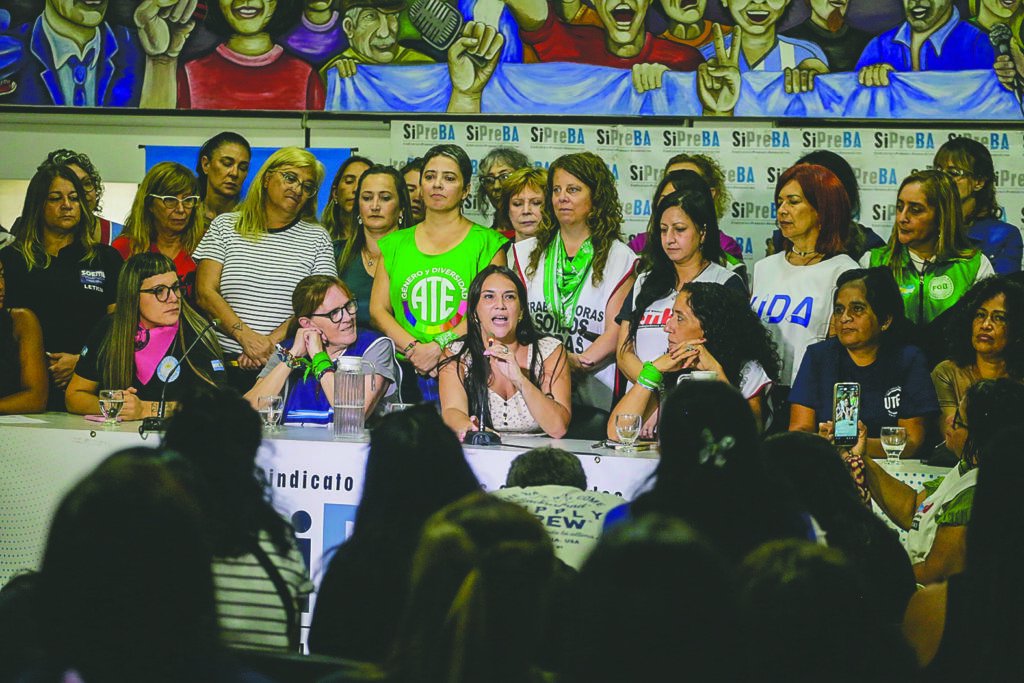
Photo: Mariano Martino

And he adds, “this is a government that wants to discourage us, that wants us to stay in our homes without courage and without being able to fight. That’s why we have to look at them and their example. More so at this moment in which 50 years after the coup we have a government that is coming to implement and come to give continuity to the project and policies of the military dictatorship.”
Workers of the popular economy in the streets
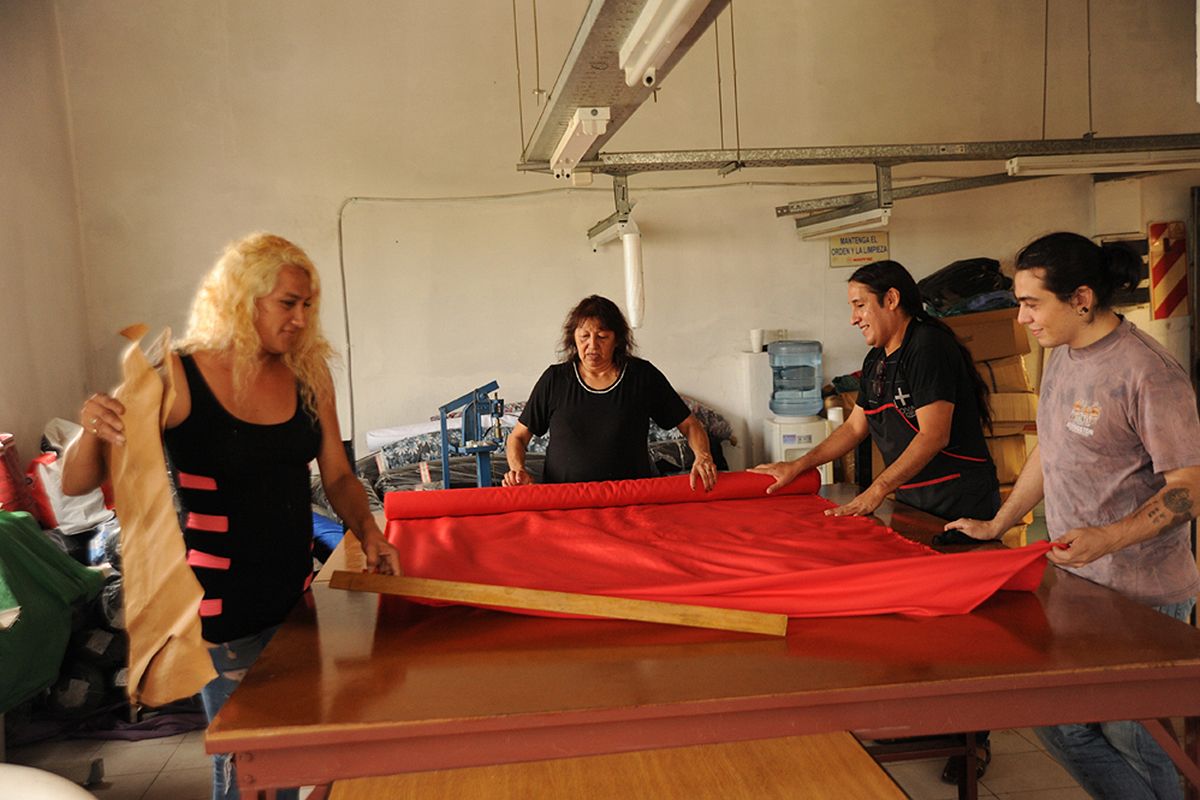
In the neighborhoods with the women of the popular economy who sustain daily life. Hence, Norma Morales, Deputy General Secretary of the UTEP, expresses that unity between unions and union movements is key. «The workers in the popular neighborhoods are not the same as they were 20 years ago, our bodies have been seasoned by years of struggle, and by having sustained life in the most difficult moments of our country. We know how to resist but we also know how to build the future,” Morales expressed to Time.
The worker also explained that the situation in the neighborhoods is very difficult in this context. » What we see every day is hunger, debt and a lot of exhaustion. Many colleagues hold several jobs at the same time: community work, cooperatives, care tasks in their homes, and odd jobs to make ends meet. Added to this is the anguish of not knowing if there is enough for food or to pay for medicines. When the State dismantles public policies that strengthened the popular economy, productive spaces and community networks. “That weight falls on us women again.”
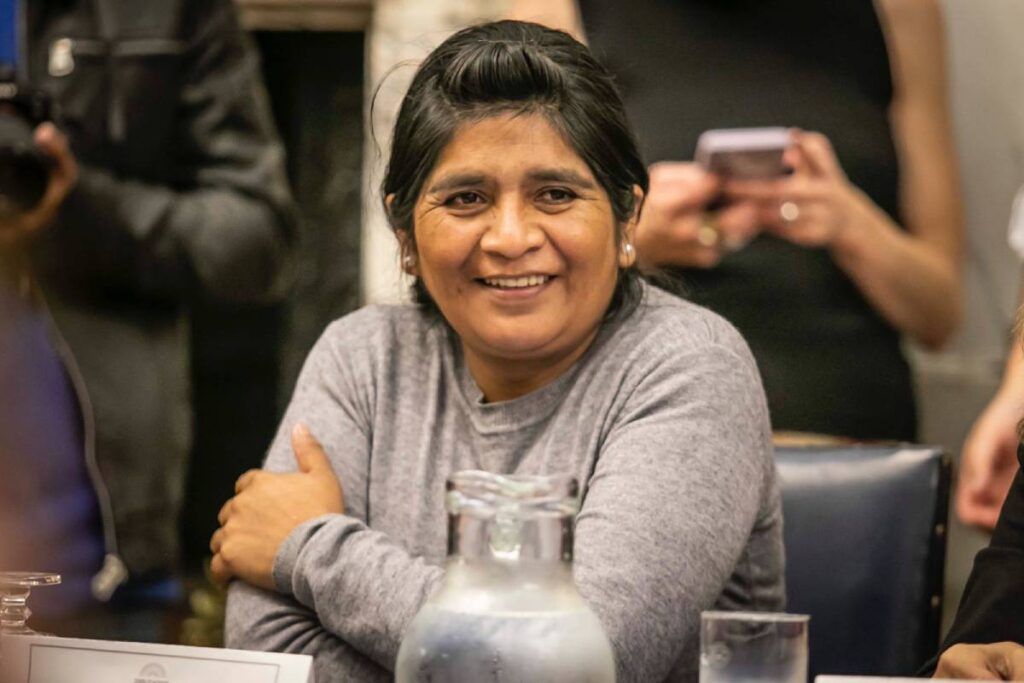
Furthermore, Norma says that the multiplying factory closures and layoffs have a direct impact on the popular neighborhoods. «The women of the neighborhoods were always the first to sustain life when everything collapsed. And today, faced with this context, we do the same thing again: organize, take care of ourselves and defend our communities. For her, feminism “must continue to expand and meet the concrete reality that is experienced in the territories. It is important that sectors of formal work, the academic world, culture and art, as well as unions, join in more strongly. And it is essential that they do so by listening to what is happening in the popular neighborhoods. Here the crisis is felt first and most strongly, because popular feminism has been saying something very clear for years: there is no equality possible if there is no social justice.
The call is also from Ni Una Menos, feminist organizations and political parties. On Monday at 4 p.m. in Plaza Congreso to march towards Plaza de Mayo.
The feminization of poverty
The Center for Argentine Political Economy (CEPA) issued a gender report on March 8 where it reveals that the economic policies of the current administration deepen pre-existing structural asymmetries and disproportionately affect women and diversities. Among the highlights, it mentions that women represent 64.2% of people with lower incomes, which implies an increase compared to the 61.4% registered the previous year. The income of men is between 27.3 and 29.0% higher than that of women, a gap that widens to 40% among informal wage earners.
Another point is the unemployment rate, which for women is 7.4% (1.5 points higher than for men). Labor informality is 2.5 percentage points higher in women (38%) than in men (35.5%).
With respect to care, the report shows that women spend 3 hours more per day on unpaid domestic work than men, a factor that conditions their insertion into the labor market. This situation is worse in the case of victims of gender violence. The set of programs intended to protect them suffered a global adjustment of 86.5% compared to 2023. Assistance through Line 144 registered a drop of 90% in 2025 compared to 2023. Comprehensive Sexual Education (ESI) was dismantled with a drop of 98.0%, leaving it without credit by 2026.
The CEPA data contrasts with those issued this week from La Cocina de losCares carried out by the Center for Legal and Social Studies (CELS) together with various social organizations. There it is recorded that under the Milei government the wage gap grew 5.1 percentage points between employed men and women (it went from 24.2 to 29.3%) and 3.8 between male and female employees in a dependency relationship (it went from 22.5 to 26.3%).
Regarding care, they analyze that the care of elderly people is resolved within the home in 59%) and that the women of the family are the main caregivers of boys and girls (57%). 43% of children under five years old still do not attend kindergarten.
In 2026, the OVD received more than 1,500 complaints of gender violence
Within the framework of March 8, the Office of Domestic Violence (OVD) of the Supreme Court of Justice of the Nation presented statistical information on violence during January and February 2026.
During those months the OVD received 1,408 presentations in which there were affected women and girls. The average age was 35 years. According to the risk assessments prepared, 52% had a relationship with a partner or ex-partner with the person reported; 27% had filial ties and 11% had other ties. Another 10% corresponded to family ties up to the fourth degree of kinship (5%) and fraternal ties (5%).
The interdisciplinary teams of the OVD identified psychological violence in 97% of the cases evaluated and symbolic violence in 58 percent. There was physical violence in 39% of the situations, while economic, patrimonial and environmental violence was recorded in 29 percent. Social violence reached 10% of the cases, sexual violence 7%, and digital violence 3 percent. Death threats were recorded in 238 cases (15%), and the medical team confirmed injuries in 277 women and girls (17%).
The OVD referred 99% of the presentations to the civil justice system and 89% to the criminal justice system. The National Civil Justice ordered urgent preventive measures. The main ones were the prohibition of approaching the affected women and girls, the prohibition of contact and the provision of anti-panic devices. The seizure of weapons from the people reported in 29 cases was ordered.