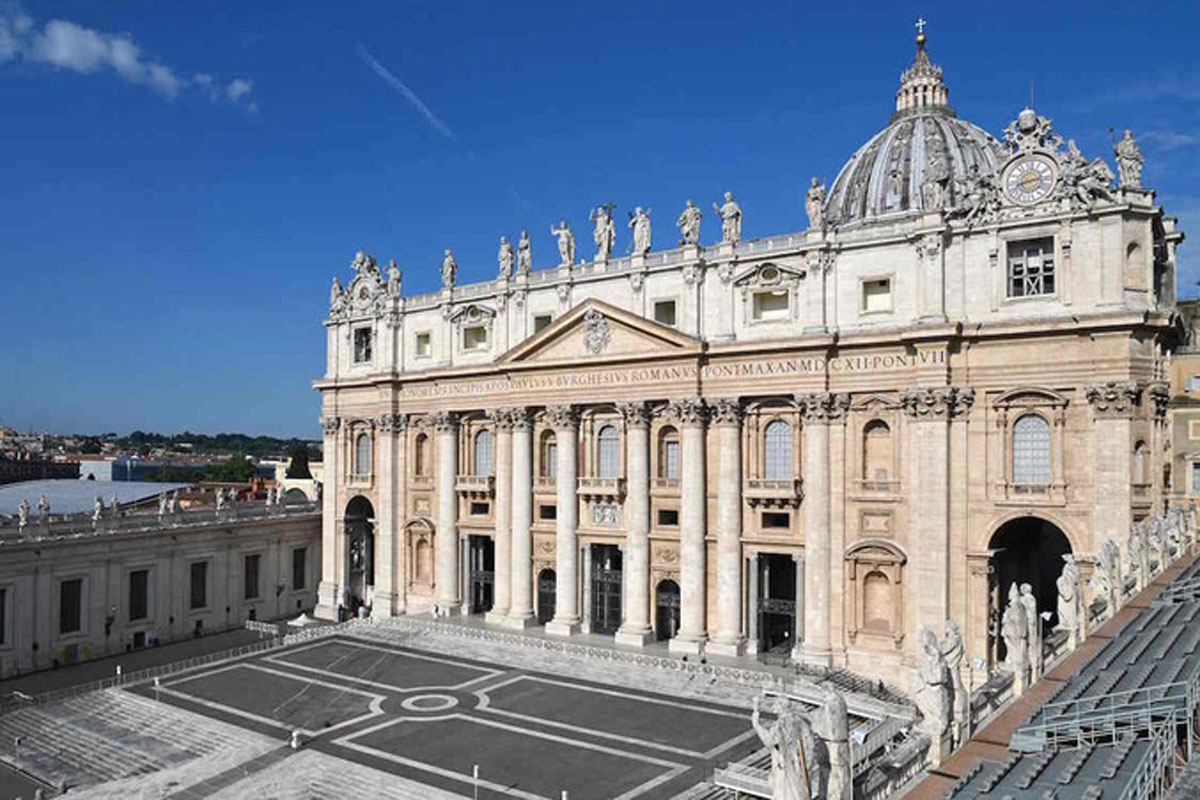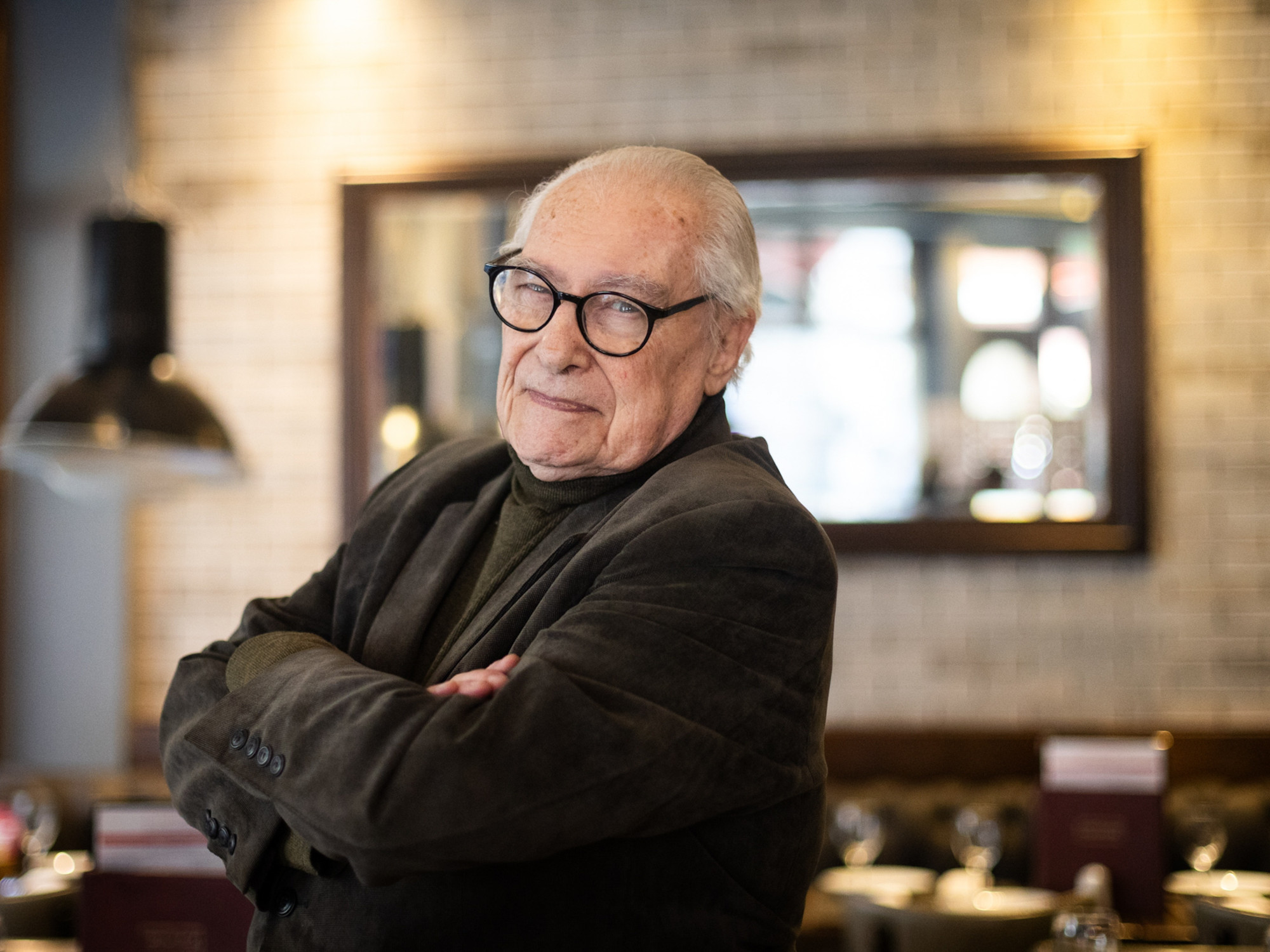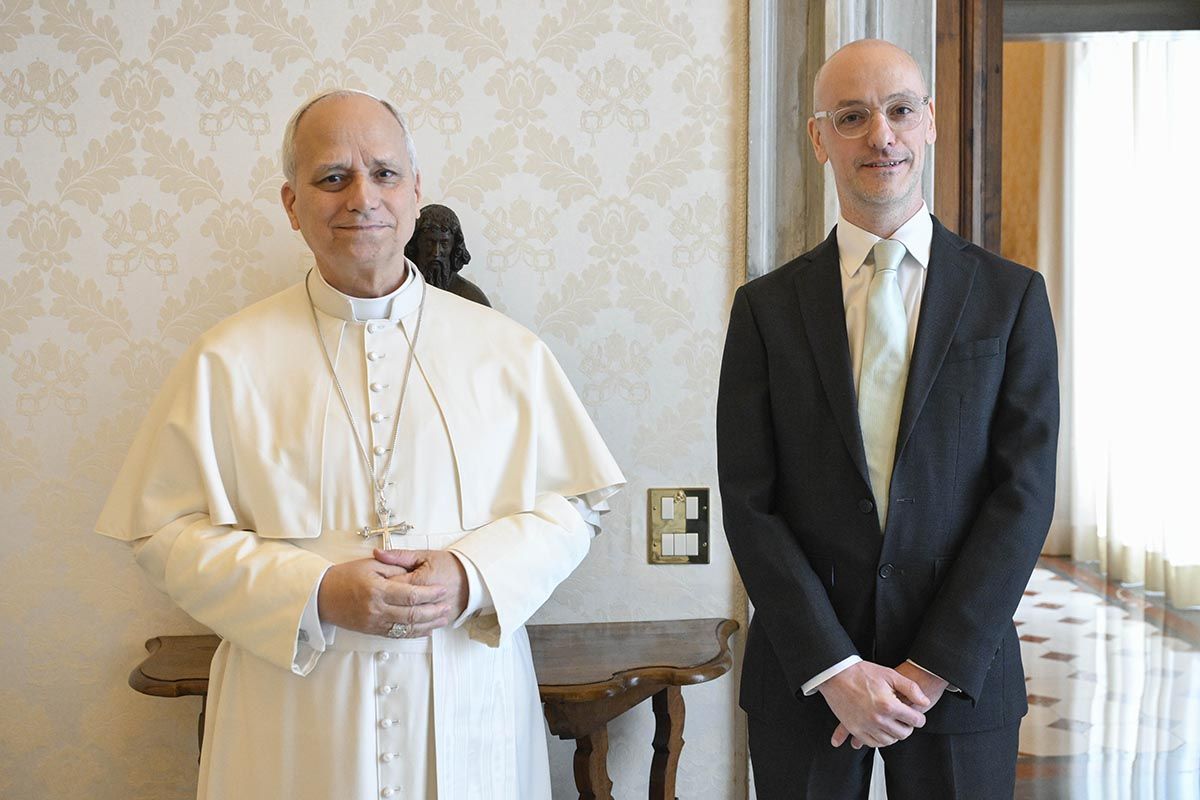
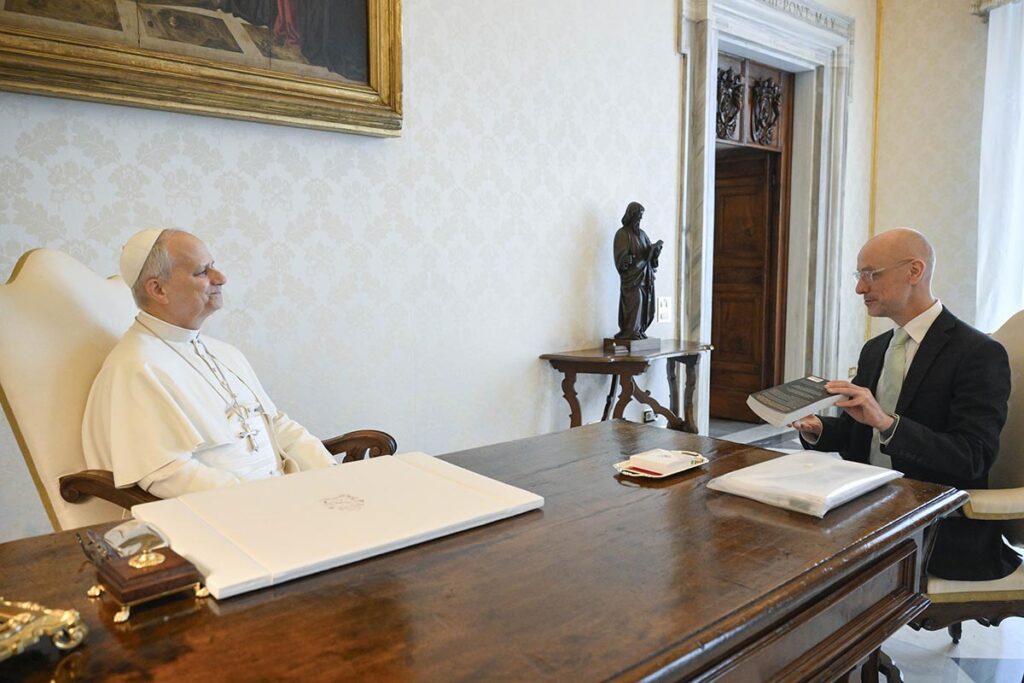
The message was surprising. About a month ago British journalist Gareth Gore received an invitation to meet with Pope Leo XIV in the Vatican. The appointment, which was not publicly announced, took place this Monday at 11 in the morning and lasted about 45 minutes. The reason was a topic that is usually reserved for the Catholic institution: Opus Dei.
“Opus Dei has done everything possible to silence these serious accusations. This decision to listen to me shows that his dirty campaign has completely failed and that the Pope takes seriously and believes the denunciations.s”, he declared exclusively to Argentine Weather the author of the book Opus (Criticism, 2024), a shocking investigation that denounces how the economic and political power of Opus Dei operates over governments and banks in the world, in addition to the use of faith to recruit minors, the exploitation and psychiatrization of its members.
Reform Opus Dei
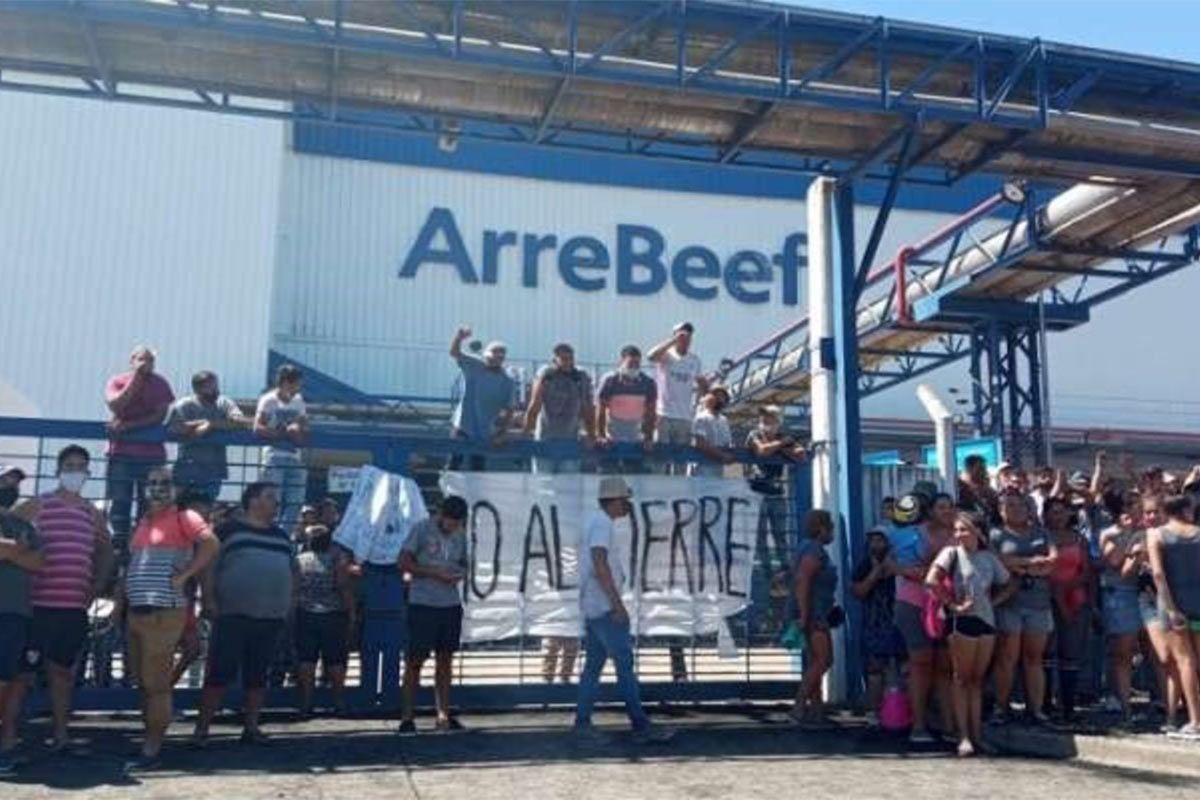
The meeting between the journalist and Pope Leo XIV comes in the final stage of a process that Pope Francis began in 2022 to reform Opus Dei. It began after the complaint of trafficking in women for labor exploitation that broke out in Argentina and led to a formal accusation against the organization of the Office Against Human Trafficking (Protex) in conjunction with federal justice.
“While Pope Francis generated hope among the victims when in 2022 he ordered Opus Dei to rewrite its statutes, Since then it has given the impression that the group’s reform was little more than a public relations exercise.: The Vatican never reached out to former members to understand what needed reform and, in fact, completely ignored offers of information and documents.”
Subdued women
After the delivery of the new statutes – in 2025 and with a three-year delay – Pope Leo XIV learned of the testimonies of the subjugated women presented at a summit in Buenos Aires in December 2025 headed by the international organization Ending Clergy Abuse (ECA). After that, the head of the Vatican received the two highest leaders of Opus Dei worldwide, the Spanish Fernando Ocáriz and the Argentine Mariano Fazio.
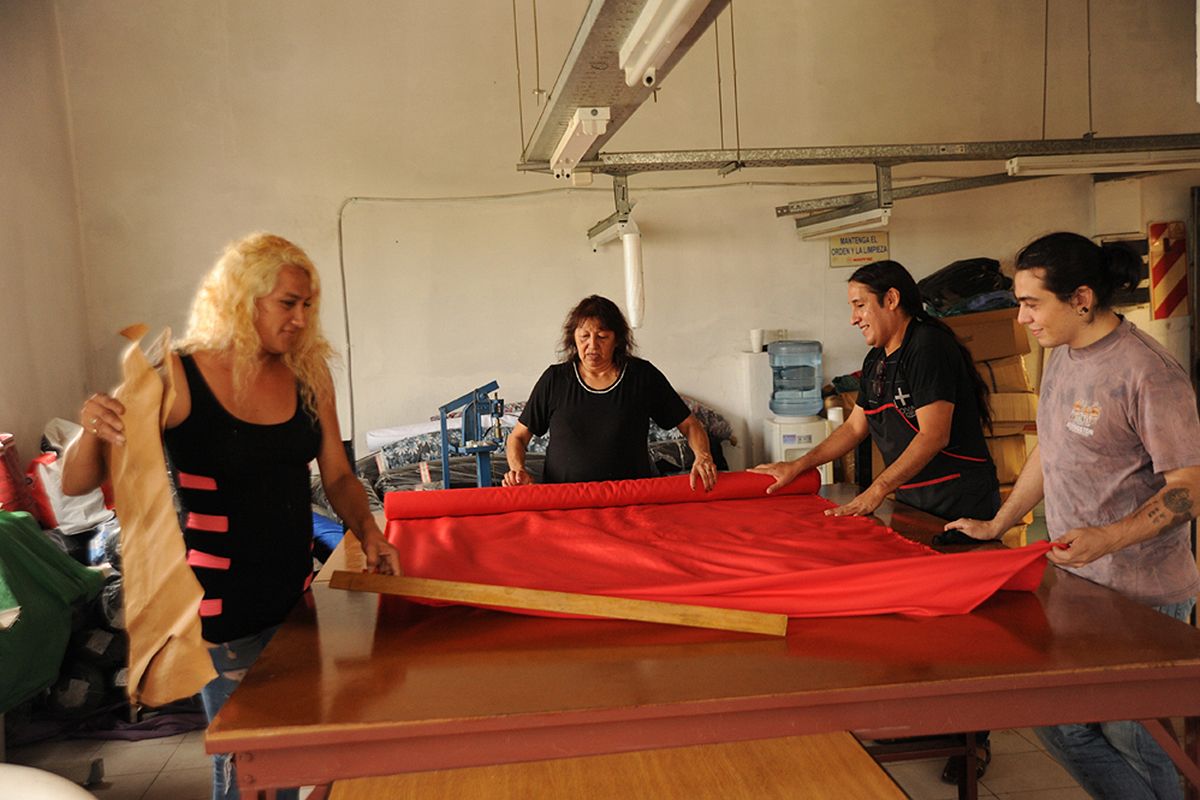
This was particularly striking since The Argentine is one of the five accused in the case for the recruitment through deception, subjugation and exploitation of poor girls and young people to serve the religious and secular hierarchies throughout their lives without any payment or rights in conditions of semi-confinement. Gore emphasized this cause and the urgency of there being a response for women.
Without going into details about the confidential conversation, Gore noted that he prefers that the Vatican be the one to communicate the content of the meeting but that his decision is to be transparent and communicate what he offered to Pope Leo XIV: “I personally delivered to the Pope a copy of the report prepared by the Argentine prosecutor’s office after two years of investigation into the group’s practices.. I also clarified that this was not an isolated case: similar accusations had arisen in many other countries, including Ireland, France, Mexico and Spain. I shared details of the “hospitality schools” established in Latin America, Europe, Africa and Asia accused of recruiting these girls.”
“They can no longer say: ‘We didn’t know’”
In addition, the journalist left the Pope documents and testimonies that detail “how the group controls and manipulates the lives of its members, to collect information on Catholics of good faith, in order to manipulate and take advantage of themhow Opus Dei abuses the faith of its members to obtain money, favors and obedience”.
Furthermore, he stressed that it was very clear: “The group should be considered an abusive cult with no respect for its victims or the Church in general.”.
Regarding the power of this organization, he presented details of the pressure and threat power of the organization to intimidate complainants, as he experienced, and forcing websites to remove internal documents that could be considered damaging to their reputation, as well as to cover up the truth and silence the voices of their many.
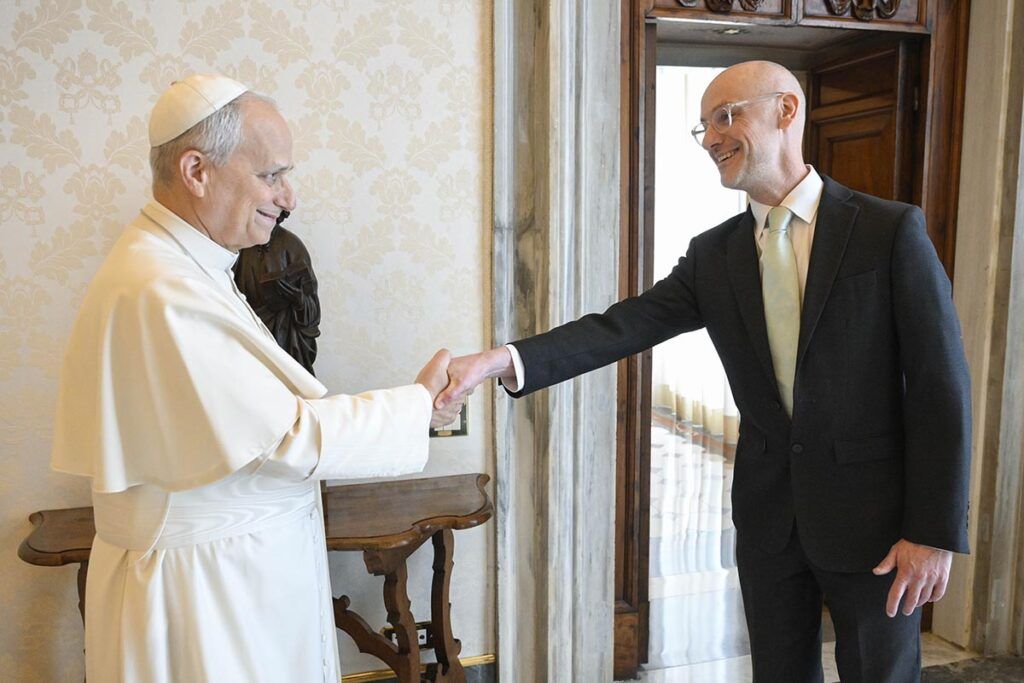
“I ended the meeting by imploring Pope Leo to take action against this group. I urged him to immediately launch an independent investigation into the abuses of Opus Dei, led by both clergy and lay experts, covering allegations of spiritual, psychological, emotional, physical and economic abuse. “I told him that he should be willing to close the organization if the evidence justified it,” Gore detailed about his statements, which included a request for review of the beatification and canonization of the group’s founder, Josemaría Escrivá, due to information that has since emerged indicating possible irregularities in the process.
For the journalist, this meeting can offer new expectations and that is why he decided to make it public. “Not only does it offer hope to the many victims of Opus Dei that these accusations are being heard, but it also creates a public record. No one will be able to say: well, we didn’t know.”
“I hope this is not a simulation.”
“The meeting was on very good terms.” and the Pope listened to me attentively“Gore said about the surprise hearing, confirmed last Friday, in which he had the opportunity to reaffirm his complaints.
“I have been frank about the total failure of the Church when it comes to addressing these very serious abuses that I have been denouncing,” he said. For Gore, the resistance has compelling reasons: “My conclusion until this hearing was that the Vatican did not want to know the truth. I suspected there was concern that a full investigation into Opus Dei could be hugely embarrassing for the Church.”.
Now, with this audience, the journalist opens the possibility that this may not be the case, although he wants to wait to see what the Pope will do: “Of course, it is possible that Pope Leo invited me to meet with him to pretend that he was listening to all sides.”after meeting with the leader of Opus Dei twice during the last year. But it is also possible that he really wants to do the right thing, that he wants to hear the truth.”