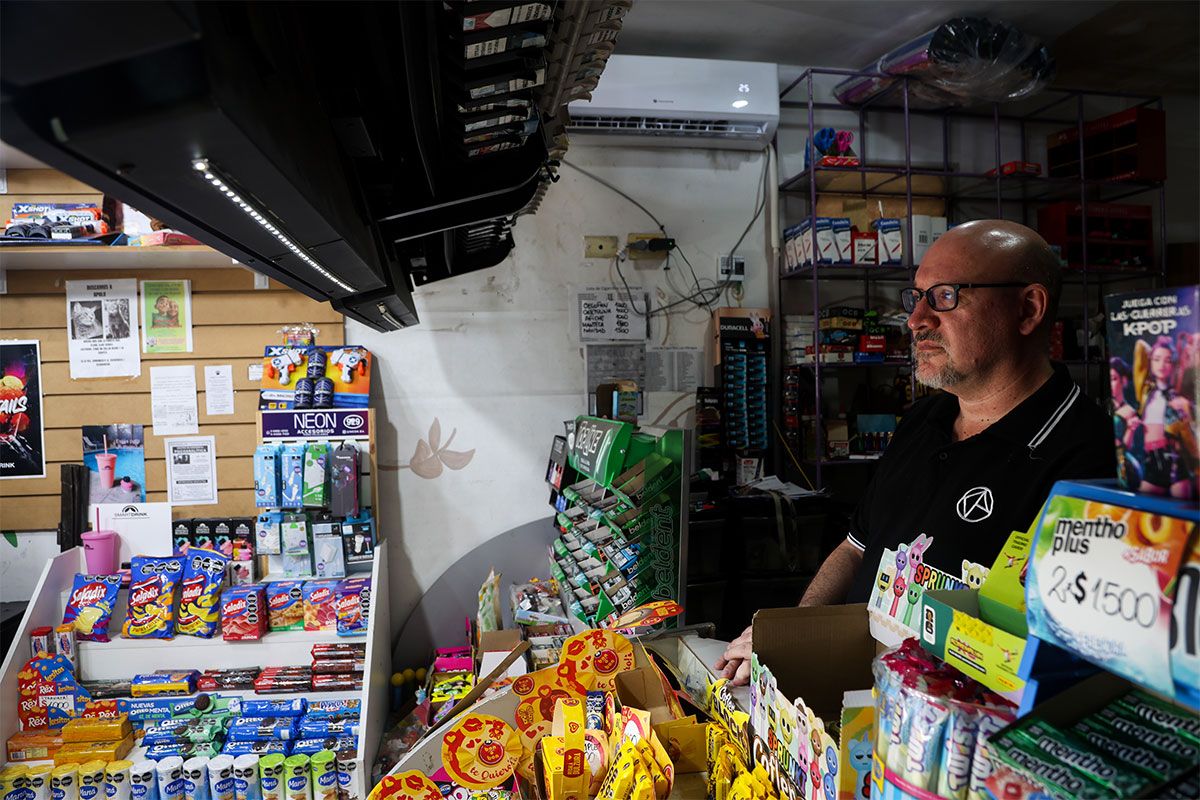
Do you see trans women serving behind a counter? Do you know a trans person who is a bank manager? “No, because there isn’t one,” agree Brisa Escobar, Allison Gebel and Fabiana Cruz. They are trans women and transvestites who stopped practicing sex work with which they survived for years. “It was the only thing we could work on or that they let us work on,” they agree.
From Presents We spoke with them to tell how accessing formal work changed their lives and why in 2026 it is still very difficult for trans people to access jobs. We also proposed to leave a message to working women on March 8 in the context of the labor and economic crisis that Argentina is going through.
Brisa: “This job at the cooperative changed my life”
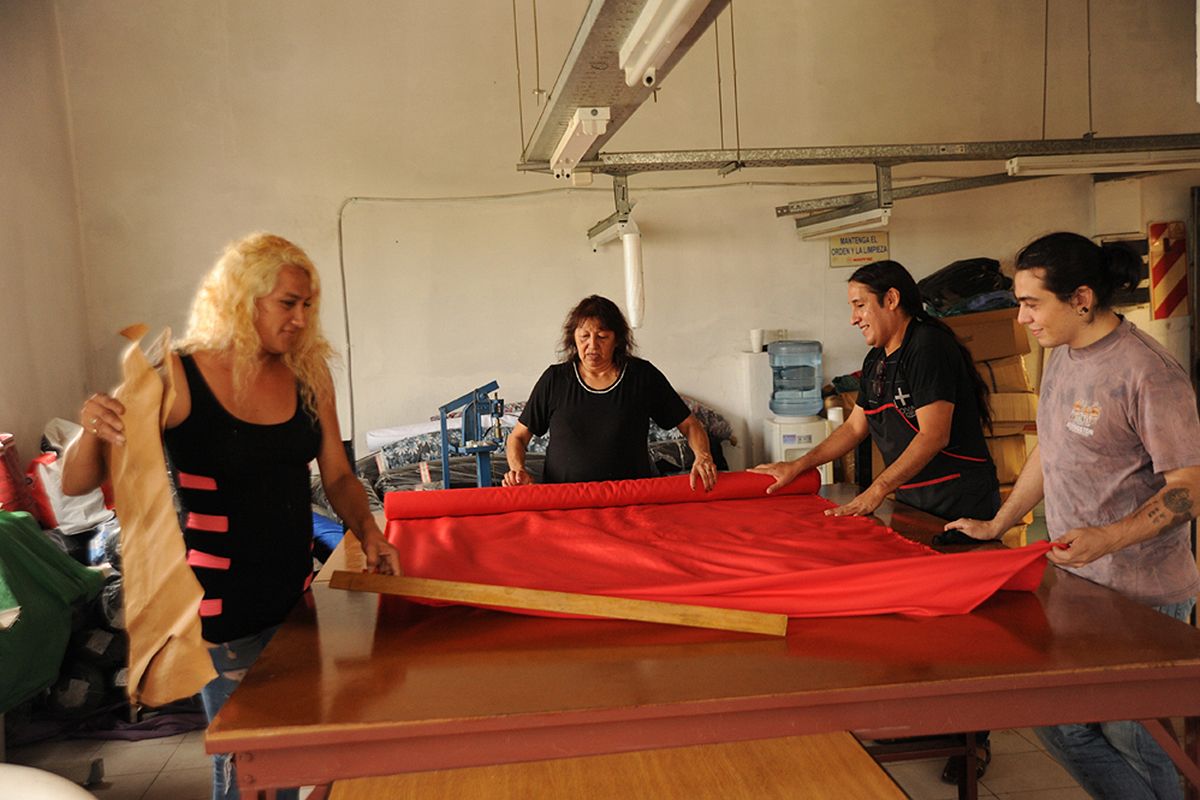
Brisa Escobar is from Salta but has lived in Buenos Aires for many years. She remembers that one of the great concerns of her friend, the transvestite activist Lohana Berkins, was “getting girls off the streets.” She achieved some of that in 2007 when she presented a textile cooperative project to a group of trans women. Today, almost 20 years later, the Nadia Echazú textile cooperative It operates in Avellaneda and opened branches in other provinces. Brisa is a founding member, was treasurer and is serving her third term as president of the work group. “I’m just another partner,” she clarifies.
“This job was a resounding change for me. I went from being a girl who lived at night and slept during the day, I had a life like a bat. It was difficult at first, because the street gives you easy money, or at least it did at that time. The night not only leads to prostitution, but also to consumption and alcoholism. Sometimes to put up with a guy who gave you the money, you had to get drunk or take drugs. I always wanted to change my life and it was a change for the better,” she says.
Brisa knew textile work. At the cooperative he learned about the processes. “Textile is not only about putting together a T-shirt. There is sublimation, printing, embroidery, tailoring, cutting, chalking, plotting. I learned that here. Thanks to that I know how to defend myself in life. I know how to make a T-shirt from scratch,” he says proudly. You know that access to work is very limited today for trans people. “There are a lot of colleagues who are losing their jobs. Do you see a job as a Chinese teller? Do you see a job manager? Do you see a job in a bank? No. It’s the complexities of us accessing a formal job,” she analyzes. “Just because you are a transvestite or trans you are classified as a prostitute. Sometimes it is the only way to get a job.”
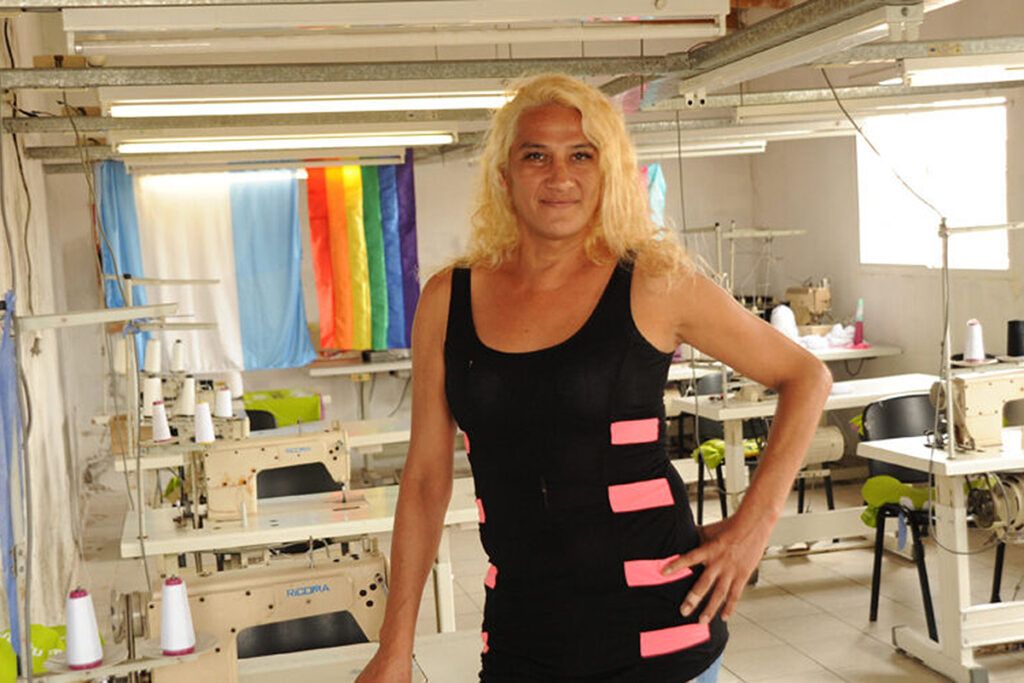
Photo: Ariel Gutraich / Presentes Agency
Right to work
The right to work continues to be an outstanding debt for many transvestites and trans people. They have been fighting a constant fight for years to access formal jobs. Transvestite and trans figures such as Lohana Berkins, Diana Sacayán and Nadia Echazú lived their last years fighting for this.
The Gender Identity Law (2012) promised transvestites and trans people to expand, among other issues, their work horizons. Access to education and the end of the edicts that prevented them from living in freedom were fundamental to being able to think about other jobs.
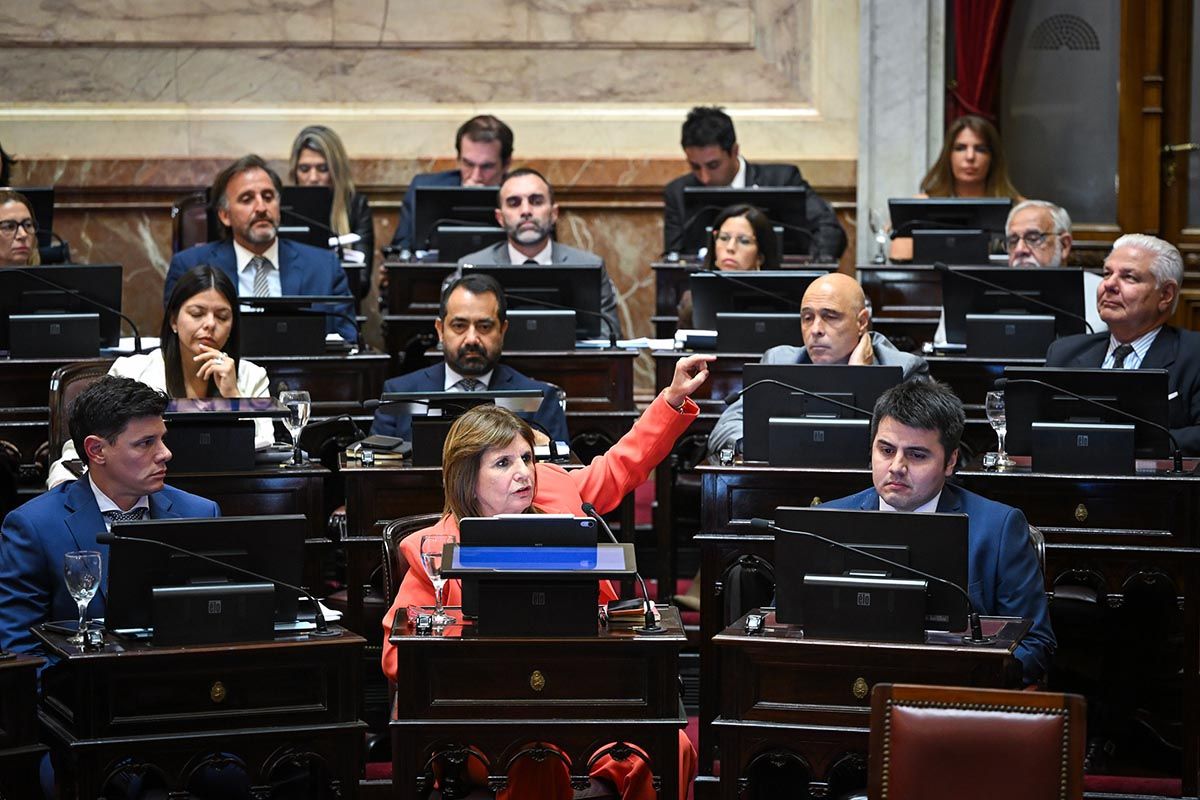
Almost ten years later, in 2021, the sanction of Transvestite and Trans Labor Quota Law (27,636) regulated entry into the national public sector. It also included training to fill those positions. At the end of 2023, almost 955 transvestites and trans people had entered the State to cover the 1% that this law demanded. The increase of more than 900% in their formal labor insertion today it was reduced. Despite being protected by law, trans people were hit by the wave of massive layoffs by the Milei government. Some were able to be reinstated but many others await the favorable intervention of justice. And today that law is not enforced.
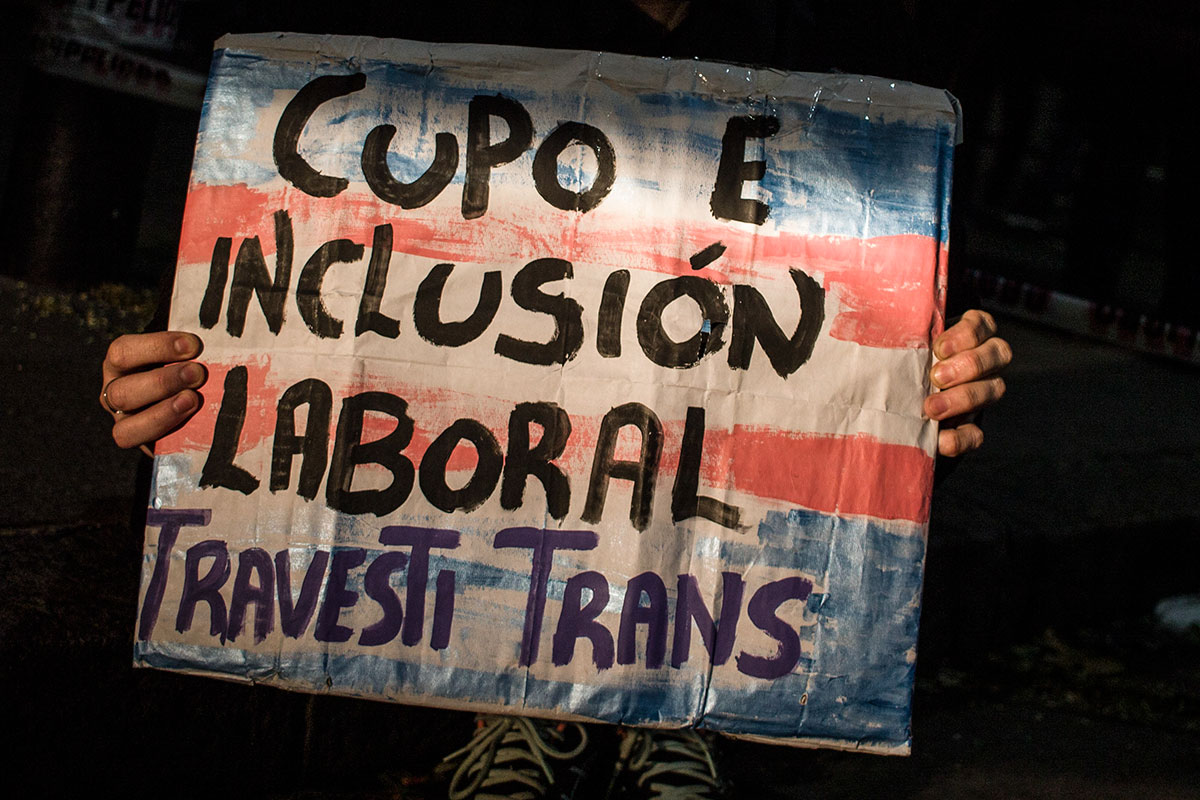
Photo: Camila Godoy / TELAM
“We are trying to enforce the work quota law. Many of us had that opportunity. But several ministries and places where trans girls worked have closed. Where did those girls go back to? They went back to sex work because they have to eat, dress and pay rent.”
Fabiana: “Working while caring gives dignity”
In 2012, Fabiana Cruz was offered an internship to work as a caregiver. It was thanks to a negotiation between the Ministry of Social Development and the Faculty of Medicine of the UBA. This is how he accessed a formal job for the first time. “I was nervous, I didn’t even know how to dress!” he says in conversation with Presents. “Now I remember that fear as something comical, but at that time it was something new for me, an opportunity. And I faced it with responsibility, desire to learn and commitment,” he adds.
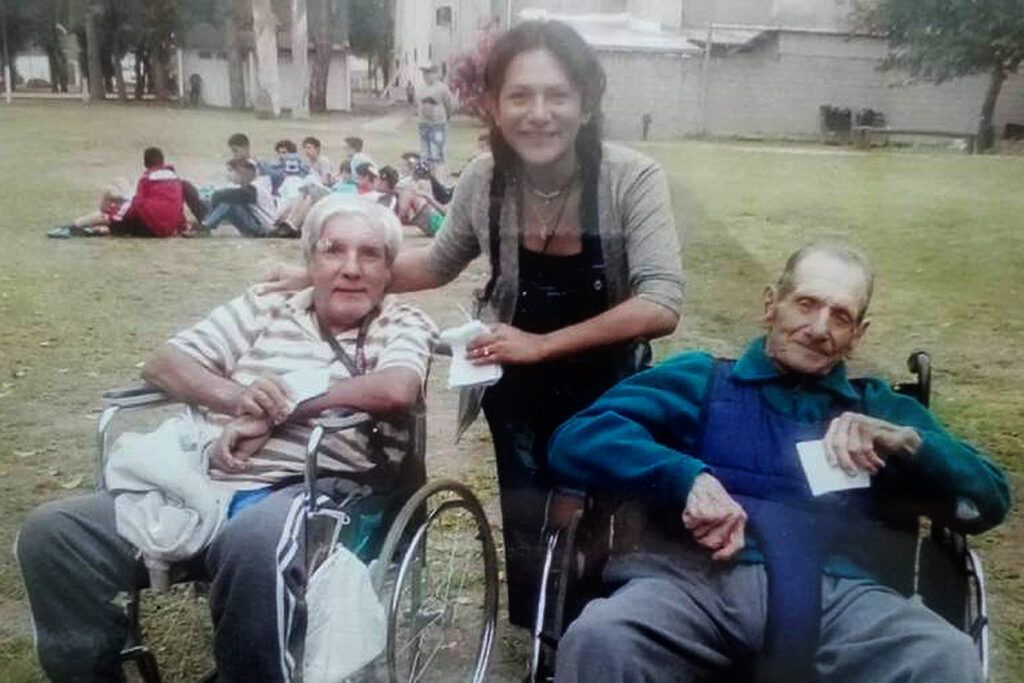
As a caregiver, she says, she developed more sensitivity, especially in the face of old age. “I was with older adults, mostly single people, without family. Devoting my time and energy to them was an opportunity. It could show that we, trans girls, can and have responsibility for work. I learned to be patient, to show myself that I have to find the strength to stick to a schedule, to have responsibility, to work as a team. It changed my outlook on the little things in life. Caring is the most beautiful thing, and accompanying a person. Working while taking care of dignity. All jobs are dignified but you really have to feel that way about that one. If not, it overwhelms you.”
In 2020, during the pandemic, Fabiana had to leave that job for health reasons. The Ministry of Health filled these positions with male and female nurses to face the coronavirus. He regrets that he was not able to say goodbye to the people he cared for. Save the letters that were sent to them.
Today he runs a pharmacy in a health center. She remembers that she experienced the change as growth but it was difficult for her to overcome the insecurity of being unemployed. “There are still prejudices and there is a lack of more visibility of us occupying places in society. We must break those prejudices, this lack of opportunities for the girls who, the vast majority, do and do sex work. I also think it’s a time of transition. Towards a more human awareness of everything”.
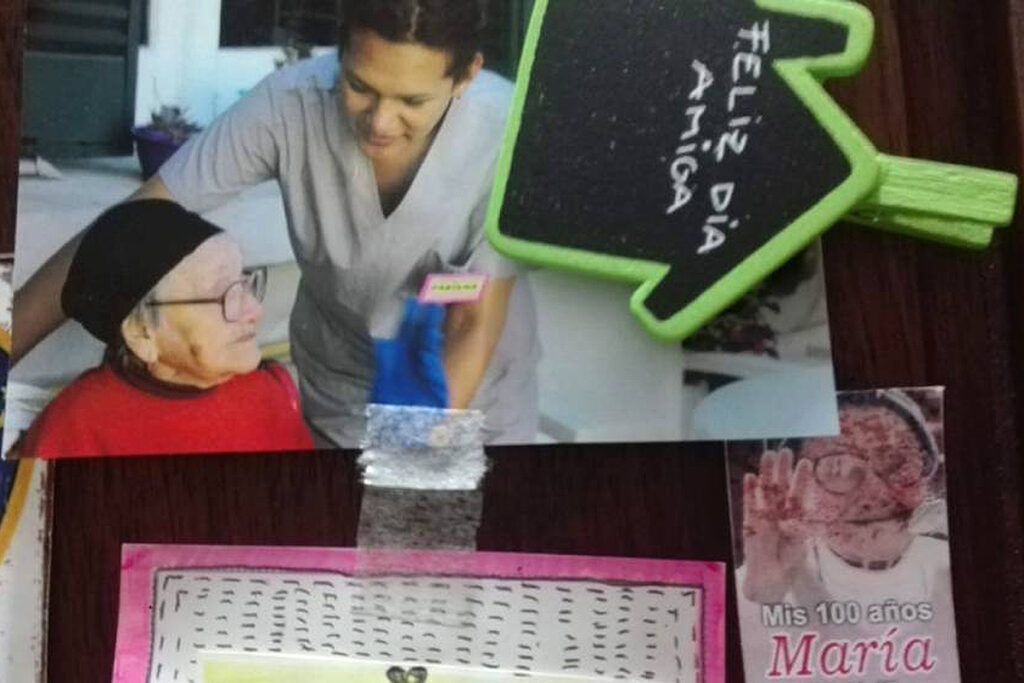
The relationship between trans women and sex work, says Fabiana, comes hand in hand with exclusion. “Not having access to education, to a job, to training as a professional leads you to marginality. I see there is a change. Now most of the girls who are making the transition live at home, go to school, study, and are accompanied by their family. TI heard the opposite of what happened in the 90s when I was a teenager. Sex work is a difficult choice because in most cases you have no other way out. There are girls who make money, they work, but they have no possibilities.”
Allison: “They want us to return to a single alternative of precarious work”
Throughout her life, Allison Gebel practiced sex work, taught dressmaking in a cooperative, worked in the administration of the Bonaparte Hospital and then joined the Ministry of the Environment. Six months after she was fired, she began working at the Mocha Celis Popular High School as coordinator of the Solidarity Knittingone of the association’s many programs.
At 50 years old, she says: “Those of us in our generation had very few opportunities. Added to that there were police edicts and they arrested us all the time. It was not common for a colleague to have a more formal job or one that was not sex work. Generally, we are offered the most informal jobs.”
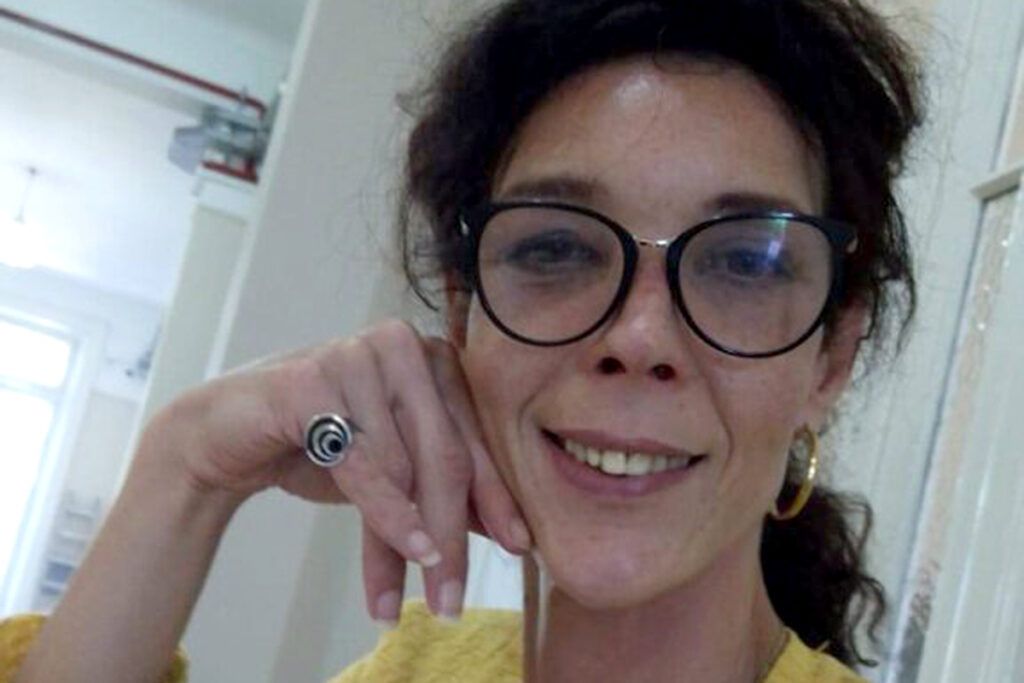
Allison is from Olavarría but has lived in the City of Buenos Aires since she was a teenager. From her time as an administrator at the Bonaparte Hospital (prior to the trans labor quota law), she remembers that they always treated her “like one of the others.” “We were with another government, more popular and more inclusive. I did not have violent or uncomfortable situations within the hospital. The presence of those of us who break the binary scheme generates something that is not always bad”.
El Teje Solidario, the program which Allison coordinates, was born in a pandemic to meet the basic needs of transvestites and trans people who could not sustain their lives. And it is still necessary. “We transvestites and trans people from the generation of the 70s, 80s, and 90s have been experiencing many situations of violence and discrimination. There are colleagues with broken emotions and complex life situations. Today the youngest ones have other possibilities.”
The program, he clarifies, prioritizes transvestites and trans people over 50 years of age. “We have almost 1,000 transvestite and trans colleagues, and we can support 450. In this context, one tries to have that little bit of hope but it is complicated.This last year there are colleagues who have lost their jobs. They always make excuses for them. They don’t really want crossdressing girls in formal spaces. They want us to once again have a single alternative for precarious work”.
For Allison, it is essential to accompany trans people through formal jobs. “It is a great process of change. A transvestite trans person who worked as a prostitute and worked at night has a different rhythm and adapting to a new job is sometimes something that cannot be sustained. That ends in ‘transvestites are lazy, they arrive late, they don’t want to work’. Adapting is not so easy or fast. The system fails in the accompaniment. You need to think about how each classmate gets here. In general, they ask you for the basics which is high school, and so it costs a lot. Imagine if someone doesn’t have it, “He needs more support and more accompaniment.”
Messages for workers
Fabiana:
“My message is that we continue standing, fighting for our rights, for our genuine equality. All work, when it is free, without aggression, without violence, is very dignified. We want a job where there is no discrimination or prejudice, real equality. We are going to always accompany this women’s fight. We are resilient, we are fighters. Let nothing and no one take away our right to dream, to occupy places that have always been denied to us. “It makes me very happy to accompany the struggle of working women.”
Allison
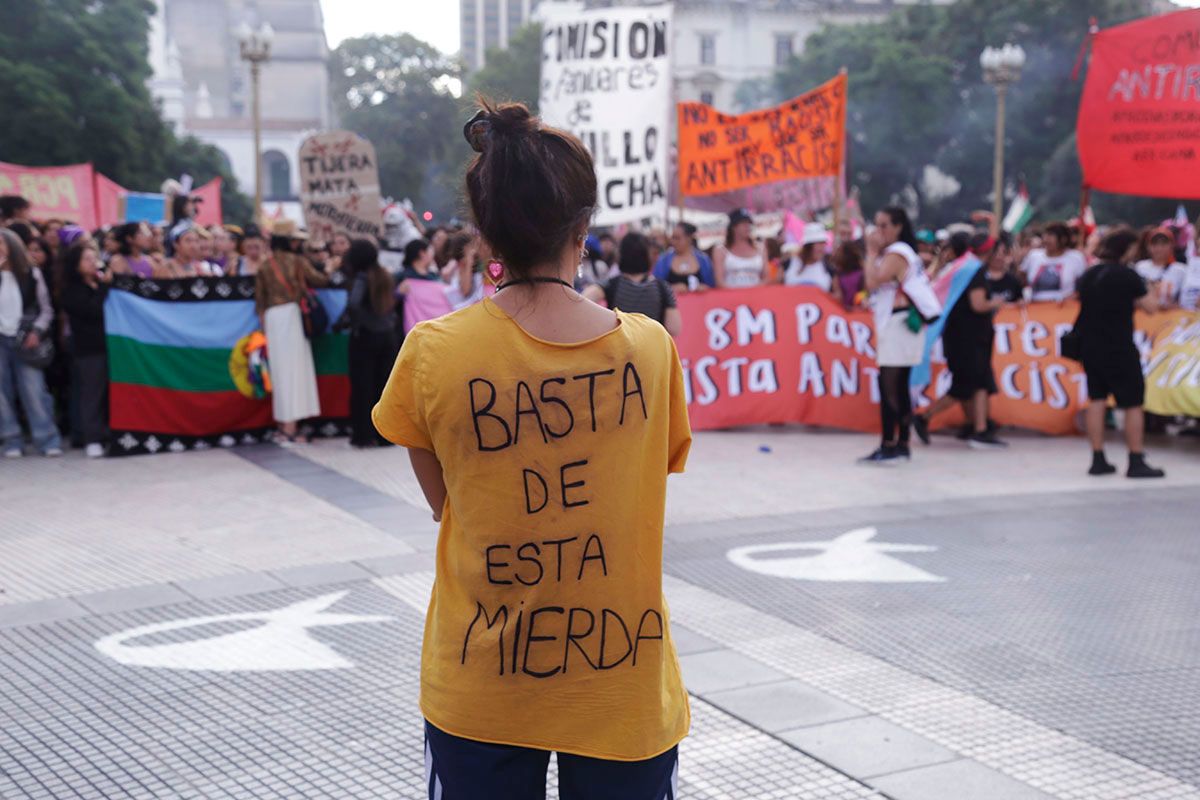
«Once again on March 8 we commemorate International Women’s Day in the fight for equality, for justice, to say no to gender violence. “A struggle that has been going on for many years, it is not a festive day, it is a tribute to the entire movement of working women.”
Breeze:
“My message to working women is that we do not lower our arms and try to continue fighting. I believe that unity is strength. Whatever happens, we must continue forward. We have many activists, trans colleagues, transvestites. Let’s lower the pompadour a little, let’s lower the ego a little. If we don’t unite, girls, the lice will eat us. Let’s try to create a union between transvestite colleagues, trans colleagues. Sometimes because of the photo we forget about the other colleagues. When we arrive at a place we have to look over our shoulder and look back. Because there are a lot left behind who also need us to continue working and fighting.”
This article was published in our allied media Present Agency.