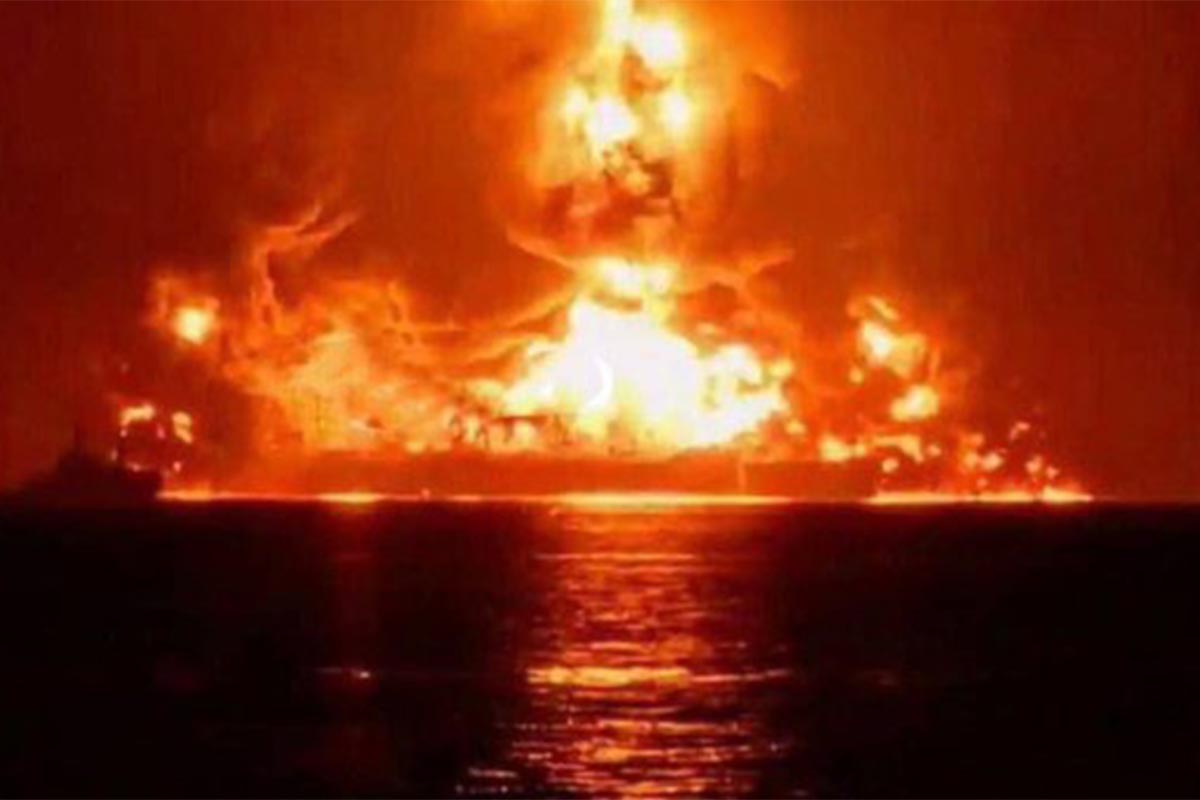
The military aggression that the United States and Israel unleashed against Iran motivates some reflections on the strategy that the Americans consider in the face of the changes that are occurring in world geopolitics.
For more than a decade, the United States has been carrying out the Hybrid and Fragmented World War with the aim of maintaining global hegemony. Hybrid warfare combines the use of conventional means of warfare with other irregular means to which it adds non-military tools.
We talk about a fragmented war because it takes place in different parts of the world using different strategies in each place. While in Argentina, for more than a decade, judicial, economic, intelligence, communication and cognitive operations have been carried out; A proxy war is being carried out in Ukraine, using that country to combat Russia.
In the current offensive against Iran, after years of communications operations, economic sanctions and the precedent of the 12-day War, conventional war instruments predominate, particularly those corresponding to air warfare, bombings carried out by planes, missiles and drones assisted by the most advanced technological instruments, particularly artificial intelligence.
There is no doubt that the United States has enormous power of destruction that includes the possibility of ending human life on the planet; however, in recent decades, this capacity has not led to great military triumphs. Vietnam, Iraq and Afghanistan are its most resounding failures. War is a complex phenomenon where multiple factors play, it is not only the military budget and the technological development of the armed forces. Strategic tactical capacity comes into play, in addition to multiple economic, cultural, geographical and political factors.
It is not unreasonable to infer that Donald Trump embarked on this war adventure promoted by Israel when he received information from the CIA about Ayatollah Ali Khamenei’s meeting with senior military commanders. It is evident that the US president was confident in the possibility of obtaining a quick victory by beheading the country, as he had done in January of this year by kidnapping Venezuelan President Nicolás Maduro. Reality showed that his dream of a devastating victory had no foundations. Iran and Venezuela are very different countries. The war has been going on for more than three weeks and does not seem to be getting closer to an outcome.
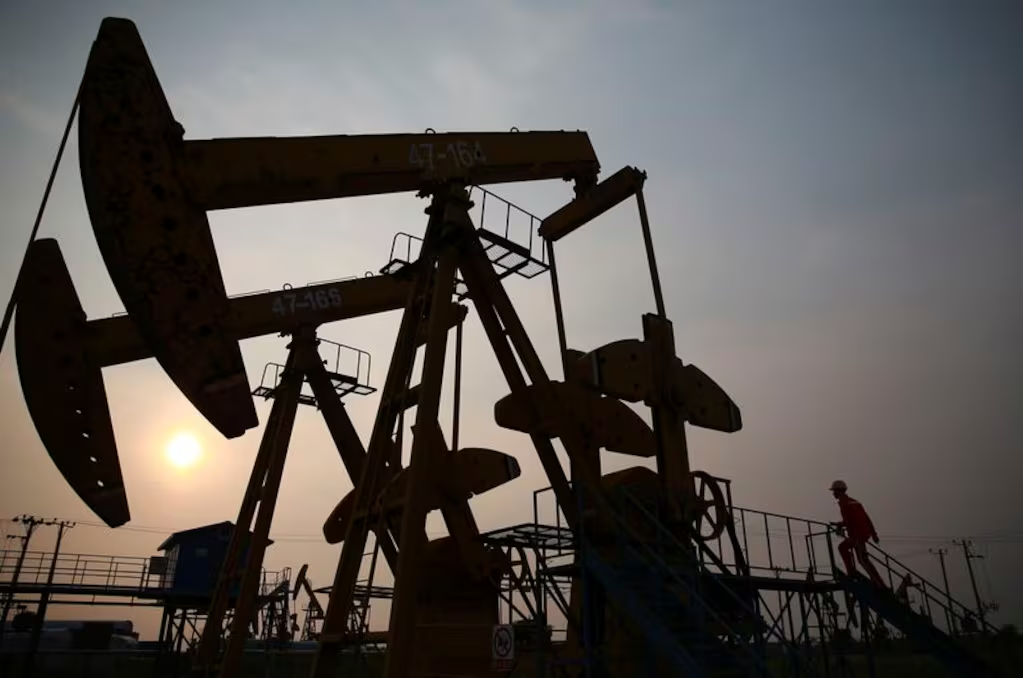
From the very beginning of the Islamic Revolution, in 1979, Iran suffered aggression from the United States that sought to subdue the Persian nation and reimpose American dominance. Oil appeared and appears as the most obvious motivation for the Yankee siege, but there were and are also multiple geopolitical motivations.
It is worth remembering that, at the time that revolution took place, Iran had an extensive border with the Soviet Union, the main enemy of the United States during the Cold War.
In 1997, once the USSR had been dissolved, Zbigniew Brzezinski, one of the main strategists of North American geopolitics, stated in his book The great world board that “preponderance over the entire Eurasian continent is the central basis of global primacy.” This meant that the formation of a rival power capable of dominating that region had to be avoided. The text indicated an alliance between Russia, China and Iran as the most dangerous hypothesis.

At present, the three nations are members of the BRICS, the Shanghai Cooperation Organization, and a good part of their commercial exchanges are carried out without resorting to the dollar, but in addition, the Persian country maintains strong bilateral ties with both powers.
Since 2025, Iran and Russia have a Comprehensive Strategic Partnership Treaty that has among its axes mitigating the effect of US sanctions against both nations, and collaboration in areas of defense, security, energy, environment, finance and culture.
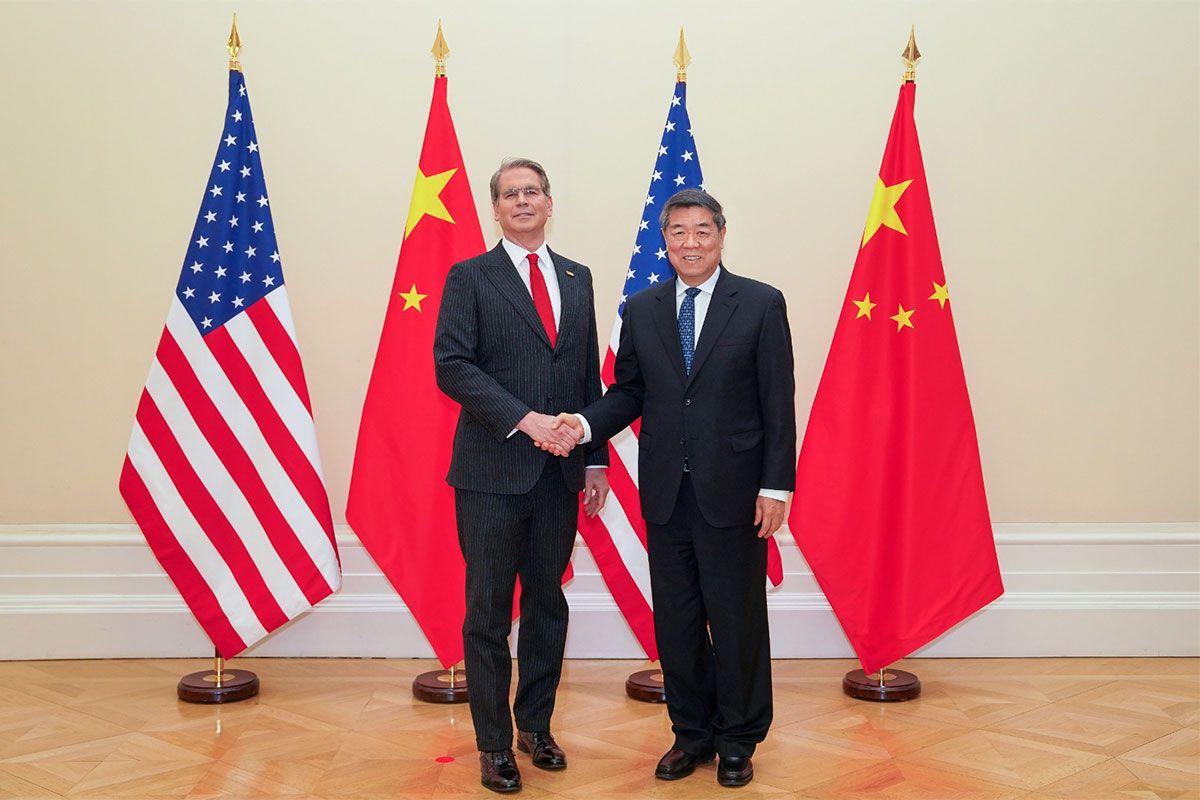
In 2021, China and Iran signed a 25-year Comprehensive Strategic Partnership agreement. China has invested hundreds of billions of dollars in infrastructure, power grids, ports and petrochemical plants in the Persian country and is its main buyer of oil and minerals. Iran also joined the Belt and Road Initiative promoted by Beijing.
With this offensive, the US intends to destroy the alliance between the three countries that question its claims to hegemony, but its war actions are deployed on an even broader stage.
In that sense, international policy analyst Gabriel Merino makes an important point. When looking at a map that covers Africa, Europe and Asia, it is possible to draw a rhombus whose vertices are Ukraine in the north, Libya in the West, Yemen and the Horn of Africa in the south, and Afghanistan in the East.
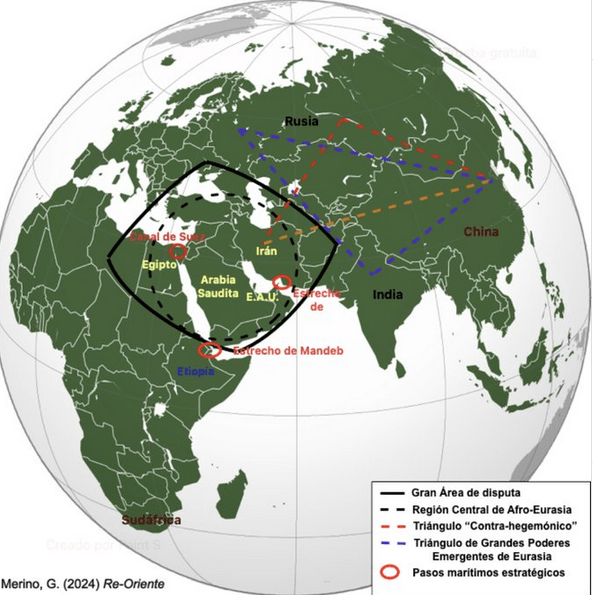
This rhombus occupies the center of Afro-Eurasia and is a disputed area with multiple war conflicts. It is common to think of the three areas separately, but geographically they make up a single continent. Numerical data confirm Merino’s observation; to give an example, the distance between southeast Ukraine and northwest Iran is about 1,200 kilometers. Between the northwest and southeast corners of Iran the distance is 2,200 kilometers.
Iran, for its part, has developed an effective defensive strategy taking into account that the threat of a US invasion has hung over its territory for decades.
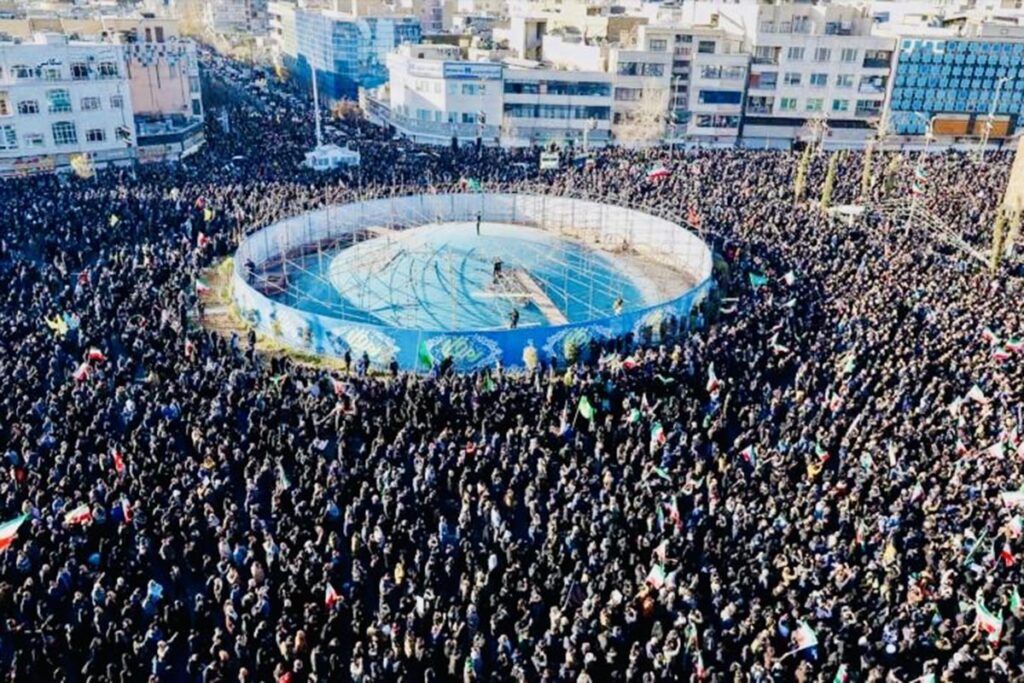
The first factor is the religious one, which unifies the majority of Iranians, since almost 90% of the population is Shiite Muslim. Trump was confident that by assassinating Ayatollah Khamenei there would be a popular rebellion taking into account the history of the protests that took place in that country in the first months of 2026, but the US attack seems to have consolidated national sentiment over differences.
There is no improvisation but planning. Tehran has planned mechanisms for succession, replacement and eventual decentralization of command in the face of the assassination of leaders and military chiefs.
For years, Iran, a country with great engineering and industrial capacity, has been manufacturing weapons that seem to be adequate to compensate for the evident war asymmetry. Firstly, the low-cost drones that it launches in swarms and force its American and Israeli enemies to exhaust their defenses made up of very expensive anti-aircraft missiles to neutralize them. These drones have already proven their effectiveness in the Ukraine conflict and in the 12-Day War. Some of them are built with paper hardened in resin, with wooden propellers and are driven by small two-stroke engines, hence their very low cost.
The drones are complemented by hypersonic missiles capable of carrying warheads of up to one ton that, due to their speed, are not detected in time by enemy defenses.
This technological capacity is accompanied by the audacity it demonstrates in responding to aggression by attacking US military bases located in various countries in the region, destroying its long-range radars and attacking Amazon databases in the United Arab Emirates and Bahrain.
Beyond the specific weapons, the most effective element of its defensive strategy seems to be the closure of the Strait of Hormuz, which has caused an increase in the price of oil in the world and which will have an undoubted inflationary effect on the global economy. This is the main tool that complicates the political situation of the US and its allies. It is worth remembering that Tehran only prevents the passage of oil tankers linked to its enemies, not those of other countries.
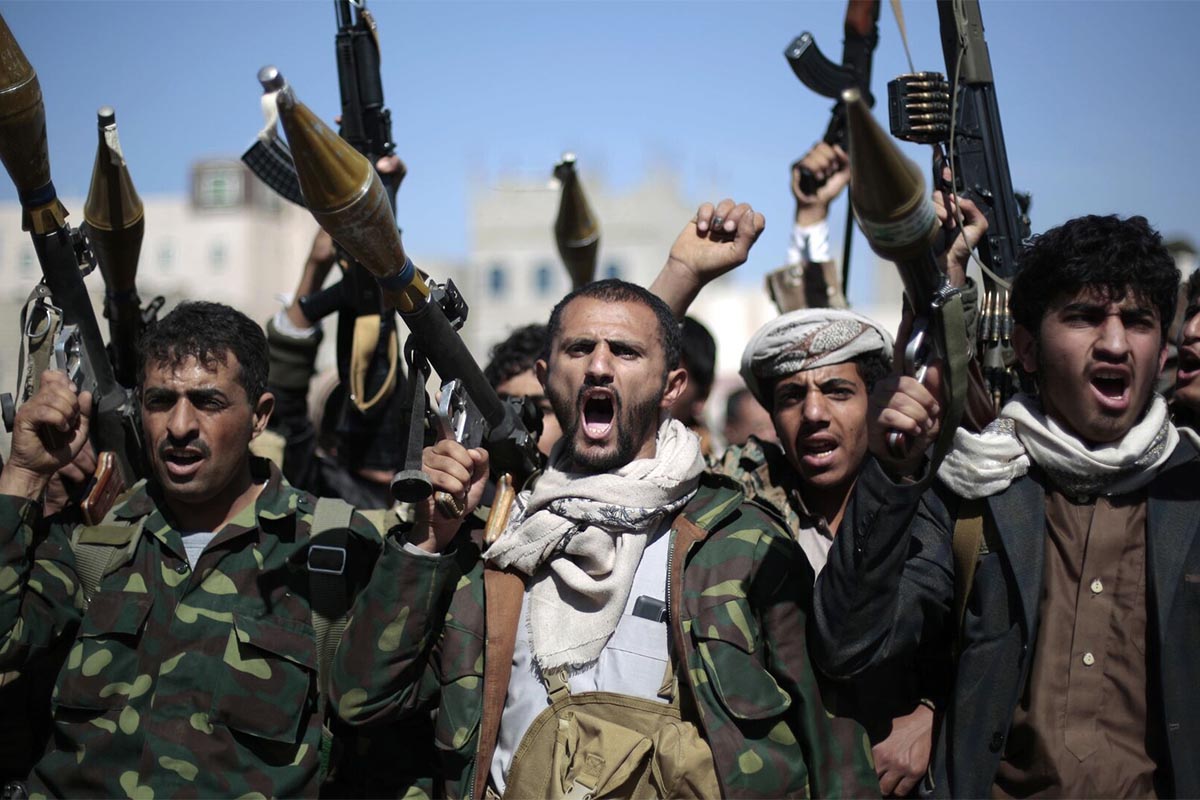
The situation could get worse for the West. In 2023, the so-called Houthis, from the Yemeni Ansar Allah movement, allies of Iran, closed the Red Sea route, which separates the Arabian Peninsula from Africa, by preventing the passage of Israeli and North American ships through the Strait of Bab El Mandeb. In this way they blocked the trade route that linked the Mediterranean with the Indian Ocean through the Suez Canal. The threat of closing this passage again would further restrict the region’s oil trade and multiply the rise in fuel prices and its impact on the world economy.
The current American strategy does not seem to lead to victory. To try to prevail over Iran, the Yankees would need to involve hundreds of thousands of troops in a ground invasion with dubious results. As for Israel, their clear objective is the destruction of the Persian nation, which they see as an obstacle to multiplying their territorial expansion. The big question is whether, in pursuit of that objective, the Israelis are capable of using their atomic arsenal. The problem they face is that this is the trigger for an apocalypse that could have among its unforeseeable consequences the very destruction of the Israeli state.
It would seem that the only way out of this situation would be for Trump to announce the end of the actions by proclaiming that the US met its objectives in the region, as it did in the 12-Day War. In any case, Americans will always be able to tell the story of their resounding war triumph in the new films and series that Hollywood produces.