Last Monday, Time published a report with latest cuts made by the macrista administration in educational matters. Between last weekend and the early hours of March 2, the head of Government Jorge Macri, together with his Minister of Education Mercedes Miguel, closed eight Boys’ Club headquarters, two youth orchestras in popular neighborhoods and eliminated lunch from children’s centers that operate within public schools. All this is added to the closure of five popular kindergartens (published in this medium) and the dismissal of more than 50 teachers.
This strong adjustment affects socio-educational programs that aim to support pedagogical trajectories of boys, girls and young people in vulnerable contexts and that “seek to strengthen learning through workshops and different activities to guarantee school permanence through a comprehensive approach.”
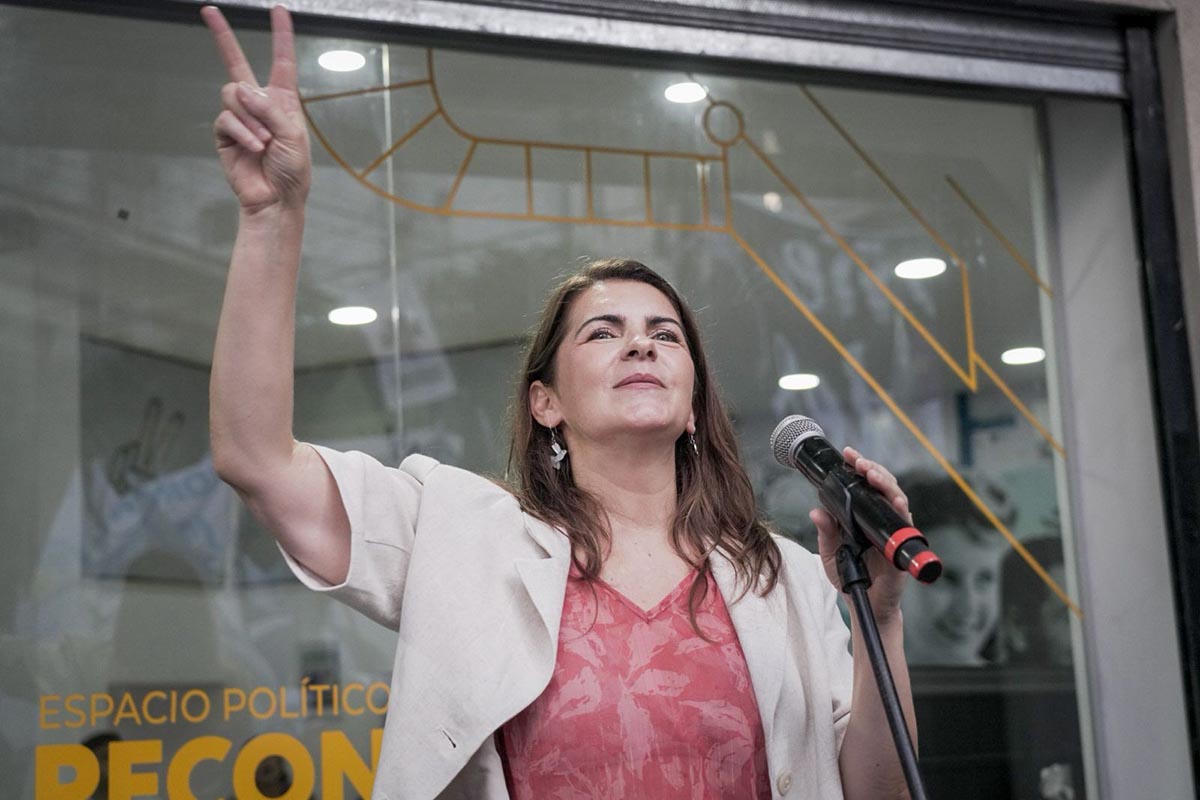
Faced with this situation, the Buenos Aires legislator Vanina Biassi presented a bill to annul the Resolution 153/26 and its annexes “Guidelines for the implementation of socio-educational policy”. This resolution signed by the head of Government is what enabled the fierce educational adjustment on the most neglected sectors.
Among the foundations of the bill, they maintain that Resolution 153/26 “deepens the job insecurity of teachers of socio-educational programs and announces an arbitrary mechanism to implement the elimination of positions and even entire programs.”
In that sense, the Buenos Aires legislator assures that what Jorge Macri is doing “is a unprecedented educational emptying that leaves schools without the support of key programs for the comprehensive development of childhood. While what the government does promote for children is their criminalization, by lowering the age of punishment.”
What does the resolution say that adjusts in education
The document published by the GCBA and signed by Jorge Macri and Minister Mercedes Miguel is forceful in its objective and clearly states that it seeks to carry out layoffs and eliminate teaching positions from the socio-educational programs: “In all cases in which the approval or adaptation of the Organic Functional Plant implies the elimination of positions or teaching hours in the same Program, Vacant positions or groups of hours will be deleted first, when they exist, starting with the position or group of hours corresponding to the interim teacher with the least seniority in the program.” The same criterion is established for cases in which the teacher affected by the closure of his position or group of hours is a tenured teacher.
Days after the official publication of the resolution, the dismissal of 50 teachers from the Maestro + Maestro Programwhich represents the elimination of a quarter of the teachers in said program who perform an important support and literacy function in schools. In no way did the publication of 30 charges in a subsequent event remedy the situation. The closure of Children’s Activity Centers, the displacement of teachers from other programs, the closure of 4 early childhood centers and the reduction of hours in Children and Youth Centers were also announced.
Likewise, the closure of the program “Choirs and Orchestras for Equity”which promotes the social inclusion of children and young people through free music educationaffecting the possibility of access to culture in vulnerable populations through children’s and youth orchestras, which operated in various neighborhoods such as Bajo Flores.
Educational Privatization
In the foundations of the bill presented in the legislature, they assure that «The resolution dictates the possibility of the Programs entering into agreements with organizations of civil society opening the door to a possible commercialization and denaturation of pedagogical conditionssince these agreements do not guarantee that the programs operate in official school locations.
At the same time, this Resolution grants a great margin of discretion for all working and pedagogical conditions, turning socio-educational teachers into precarious workers, since it establishes that teachers’ workplace and schedules are imposed by the “needs operational aspects of the programs”, and tends to reduce the teaching work of teaching to “complementary pedagogical actions” (point 1 of the Annex to the resolution).