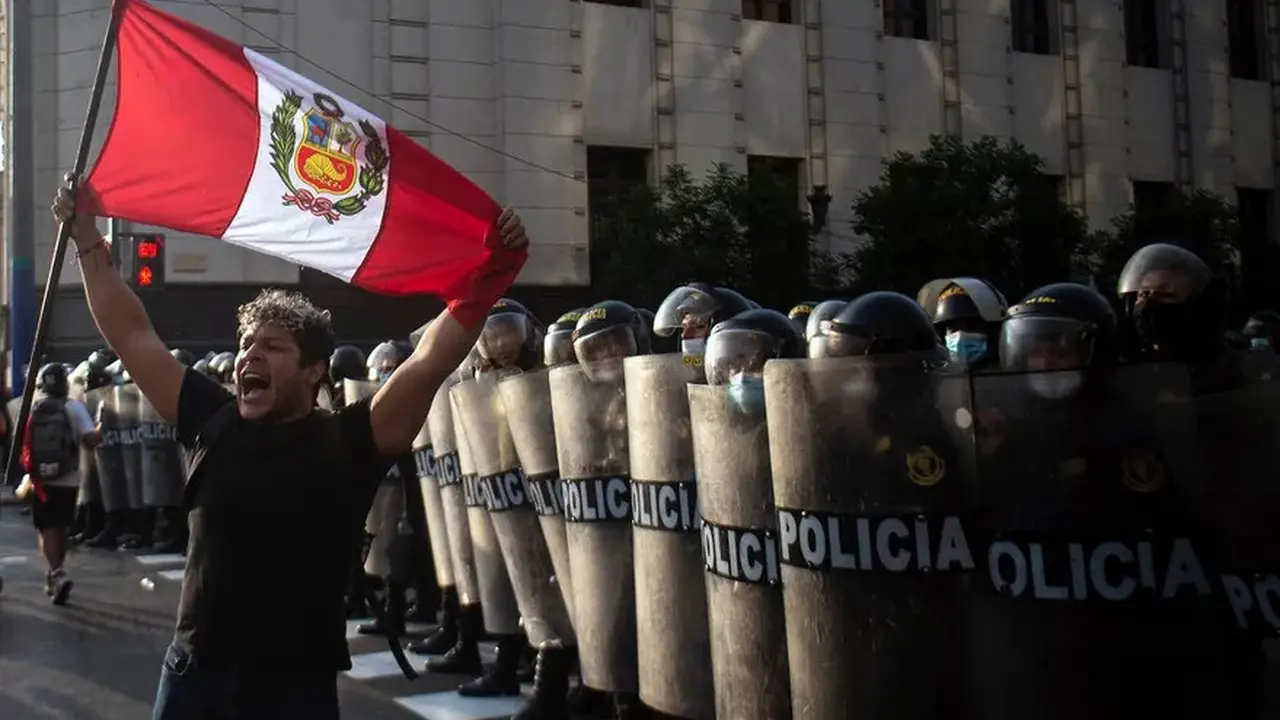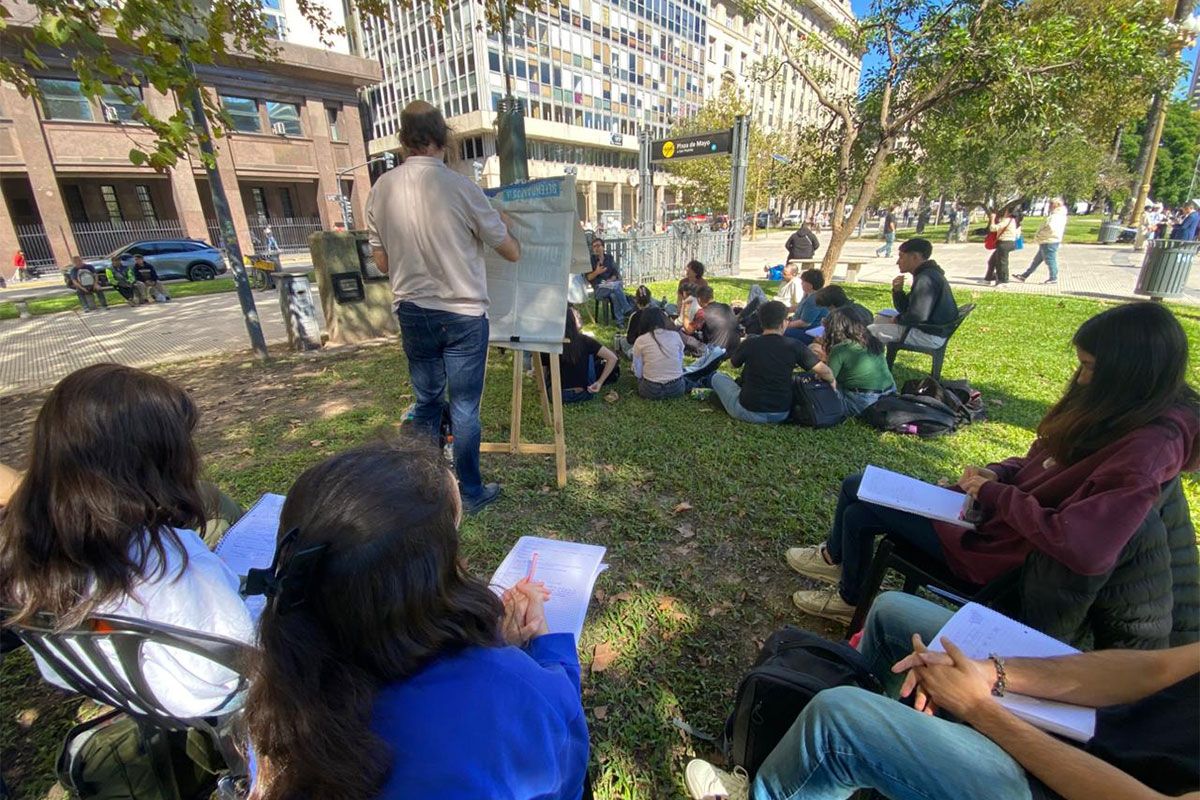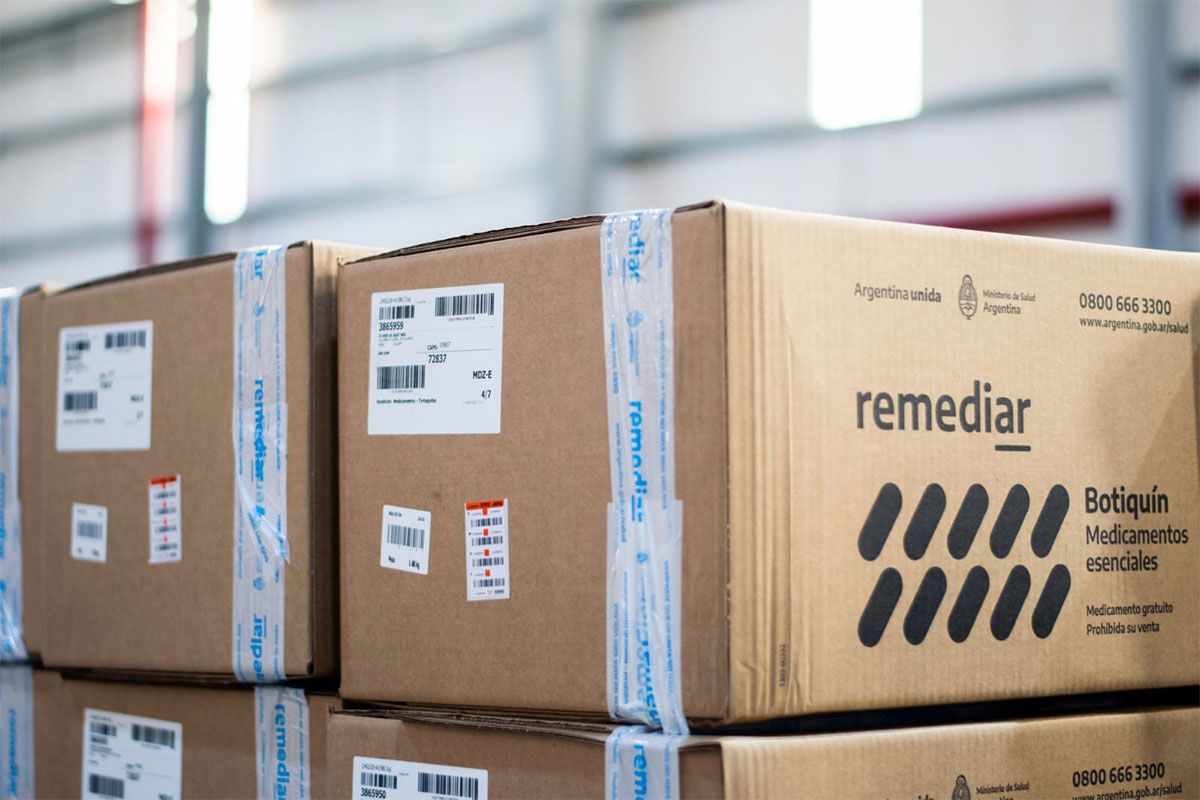
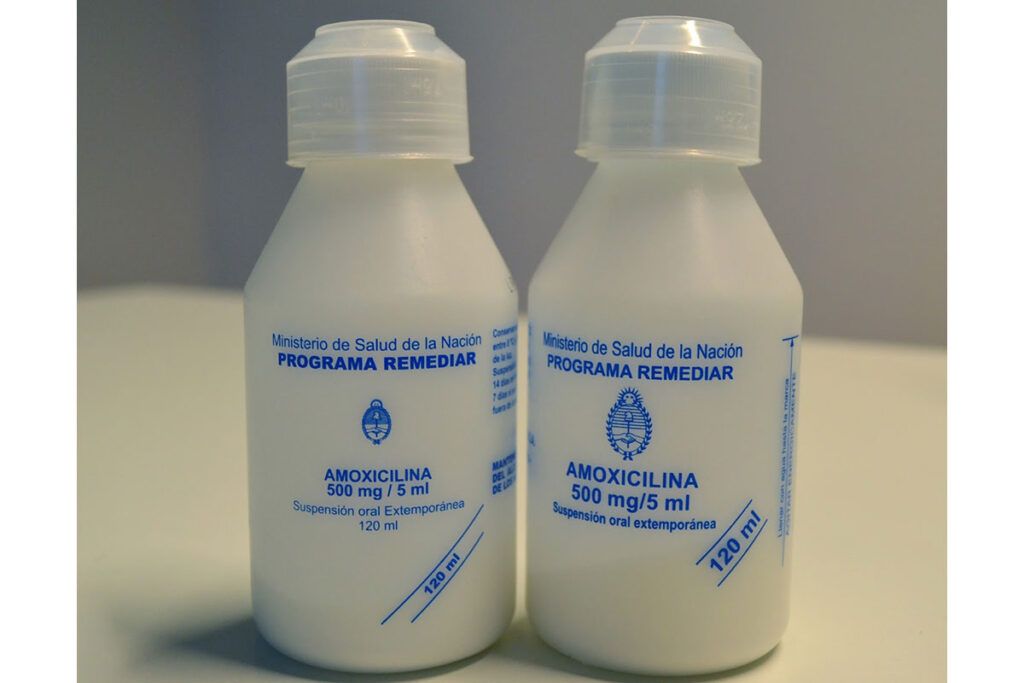
The adjustment in Health is accompanied by cruelty and a direct attack on those who need the State most. PAMI retirees know it, people with disabilities know it, and so do the hundreds of thousands of families who depend on the public system and health centers that provided coverage with the Remediar program. A cutting-edge plan in the region that today is on the verge of disappearing.
Remediate was discontinued on April 1. In its replacement, the Government of Javier Milei (with Mario Lugones as Minister of Health) established a strategy limited to only 3 cardiovascular medications.
A report from Fundación Soberanía Sanitaria translates the current context into numbers, with an adjustment that did not start this month, but with the beginning of the administration of La Libertad Avanza: in provinces like Tierra del Fuego, they have already reduced it by 70% in two years; In the Province of Buenos Aires, the supplied health centers fell from 1,617 to 1,132 between 2023 and 2026. And in the same period, the supply of first aid kits fell by 59%.
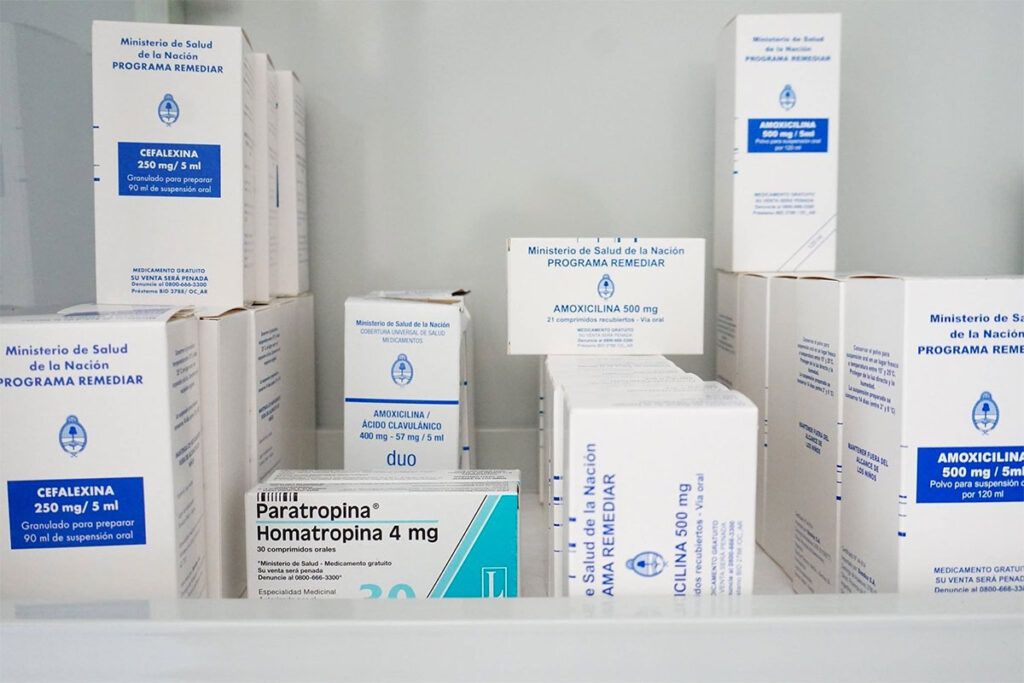
The Remediate program
The Health Sovereignty report highlights that Remediar not only addressed prevalent chronic diseases, such as diabetes and hypertension, but also a broad set of common acute pathologies at the first level of care.
These included respiratory infections, urinary infections, gastrointestinal conditions, dermatological conditions, parasitosis and oral health problems, for which access to essential medications and supplies such as antibiotics, anti-inflammatories, antiparasitics and oral rehydration salts was guaranteed.
This combination of coverage allowed a comprehensive response to daily health demand, strengthening the resolution capacity of health centers.
“Additionally, the program fulfilled strategic functions in terms of training health teams, promoting the rational use of medications and strengthening the health leadership of the national State,” they highlight.
The closure of the REMEDIAR program implies a profound change in access to medicines in Argentina.
Less free provision, more pressure on the public system and greater inequalities.📄 Full report:https://t.co/ErKSpAn7mT pic.twitter.com/WEOU890ld8
— Health Sovereignty (@SoberaniaSalud) April 10, 2026
The closure of the Remediar Program is not an isolated event, but rather the culmination of a process of progressive definancing evidenced in the sustained reduction in the supply of medicines in recent years. For example, in the case of Tierra del Fuego, the Minister of Health reflected the significant drop in the program’s provision of medications. In this case, deliveries were reduced from 143,652 units in 2023 to 92,422 in 2024 and 42,966 in 2025.
This trend is replicated in all provinces. In the case of PBA, a significant contraction is observed in coverage and supply volume between 2023 and 2026. The number of health centers supplied decreased from 1,617 to 1,132, while the first aid kits distributed fell from 5,142 to 2,110. In terms of volume, the minimum units of medicines decreased from 10,458,567 to 4,636,253, which implies a reduction of more than 55%.
An implicit objective of the Government is for the provinces to take charge of what the Nation stops buying. This is what happens in Santa Fe, where the minister indicated that they had to advance their own purchasing processes through tenders to cover the demand that was previously supplied by the national program, with the consequent increase in the provincial fiscal effort.
At the last meeting of the Federal Health Council (COFESA), the provincial jurisdictions expressed a general rejection of the measure, pointing out its potential impact on access to medicines and the sustainability of the health system.
Remediar closes as demand grows in the public system
The closure of the Remediar Program occurs in a context characterized by a sustained increase in demand on the public health system and by increasing restrictions in the provision of inputs and financing.
On the one hand, there is an increase in the number of people who, after losing coverage from social services or prepaid medicine companies, turn to the public system to access consultations, treatments and medications. This phenomenon translates into an increase in effective demand. On the other hand, there are problems in the supply of critical inputs. This problem even extends to highly specialized treatments, for example the decrease in the distribution of oncological medications at the national level.
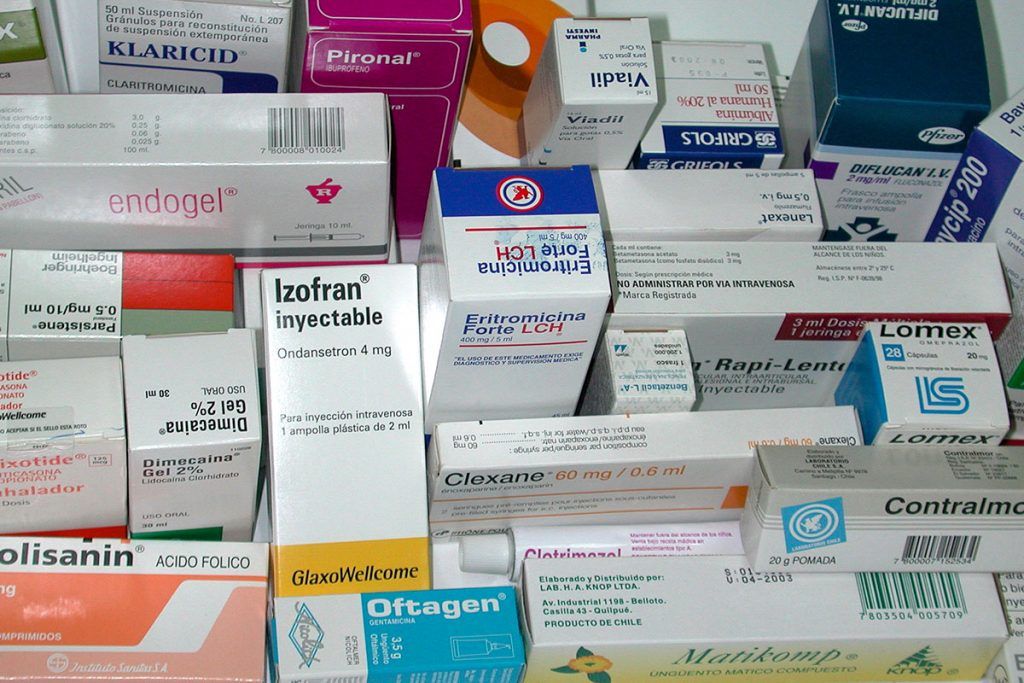
From the Foundation they stated that from a health point of view, the elimination of the Remediar Program implies a significant reduction in the resolution capacity of the first level of care and enormous pressure for provinces and municipalities that will have to take charge of the purchase of medicines that were previously guaranteed by the National State: «The availability of medicines at the first level of care constitutes a central element for the effectiveness of PHC. Its absence limits the possibility of solving health problems in primary care centers, redirecting demand towards levels of greater complexity and in the context of on-call consultations.
And they noted: «Discontinuous or restricted access to essential medications affects adherence to treatments and increases the risk of avoidable complications and acute events. In this framework, the closure of the Remediar Program introduces a critical risk of therapeutic discontinuation, particularly relevant in chronic diseases, where the interruption of medication can lead to decompensation and progression of the condition. In turn, this situation also impacts acute pathologies, the resolution of which depends on timely access to medications. Taken together, the loss of continuity in treatments compromises health outcomes and generates greater pressure on the most complex levels of care in the health system.