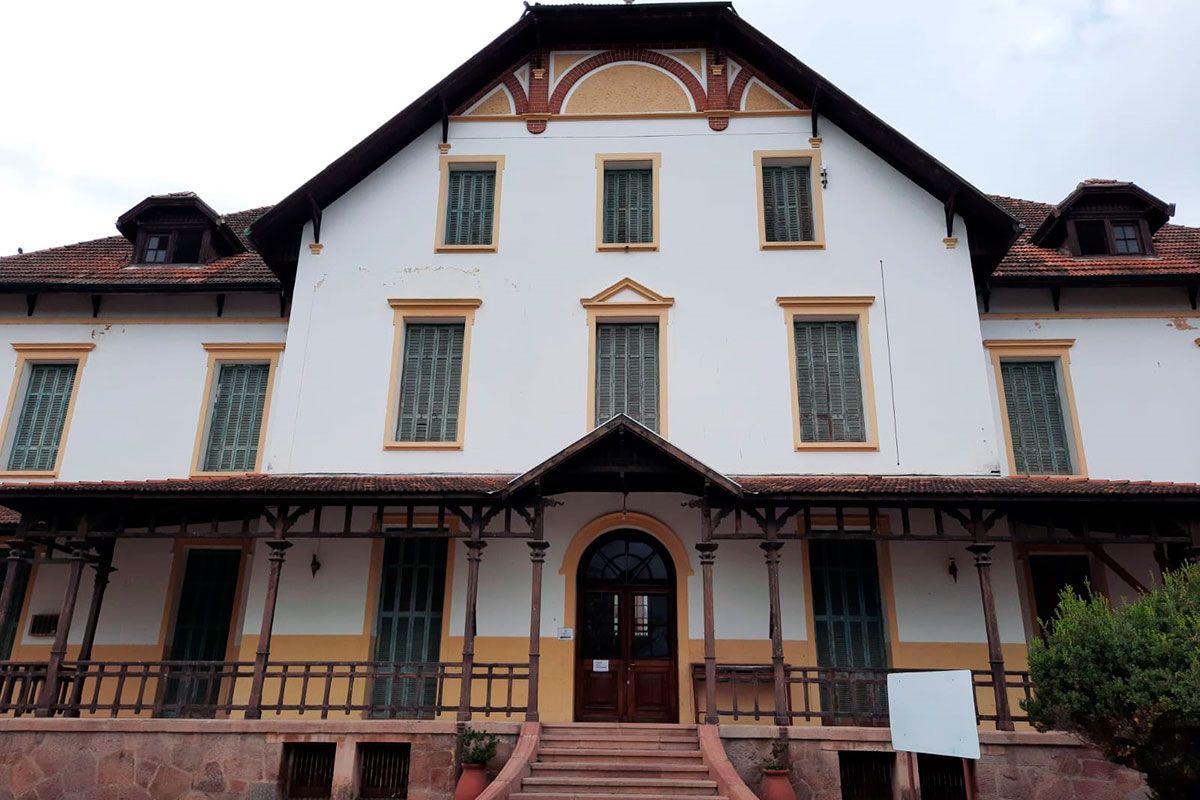
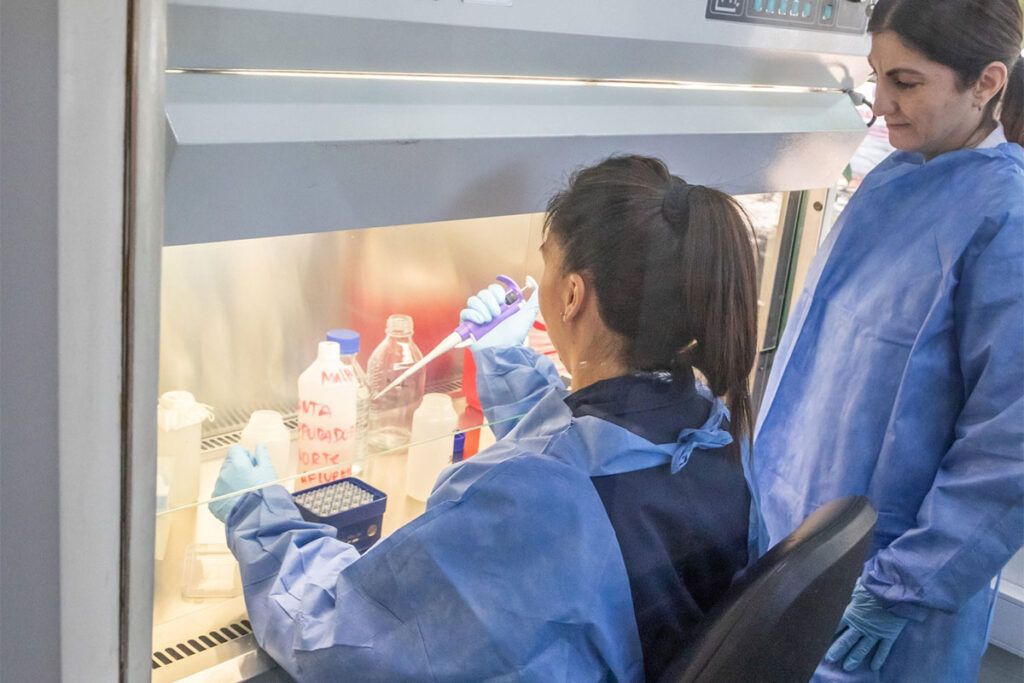
They take up hundreds of glass jars. Containers like those for a kilo of honey, covered with tulle and closed with elastic bands. There are about 42 thousand live vinchucas. They are in the laboratory installed at the Colonia Santa María de Punilla Hospital, in Córdoba, headquarters of the Vectors and Environment Operational Unit (Unove). Since the first day of this month, no one controls those Chagas vector insects. The three people who were in charge of its preservation were fired. The vinchucas, like the investigations, were left adrift.
The last batch fed could survive for six months. The other group would start dying in three. In the middle, the risk of an insect escaping. “There are no infected vinchucas at this time, but it is a vector. It is like releasing mosquitoes, they can become infected,” they explain from Punilla. There have been colonies there for 40 years, with specific environmental and security conditions. “It’s not something you can have in your house.”
Until a few weeks ago, Unove depended on the National Center for Diagnosis and Research in Endemoepidemias (Cendie), created in 1996 and part of the National Administration of Laboratories and Health Institutes (ANLIS-Malbrán). A decree published on March 26 made official the absorption of the organism by the Fatala Chaben National Institute of Parasitology, also dependent on Malbrán. In fact, there was no transition process or referral of resources, so the merger announced by the Ministry of Health is understood as closure, as denounced by the Federal Board of Science and Technology.
Those who worked with the vinchucas in Punilla did not even have anyone to give the keys to when closing. Literally.
“It falls apart”
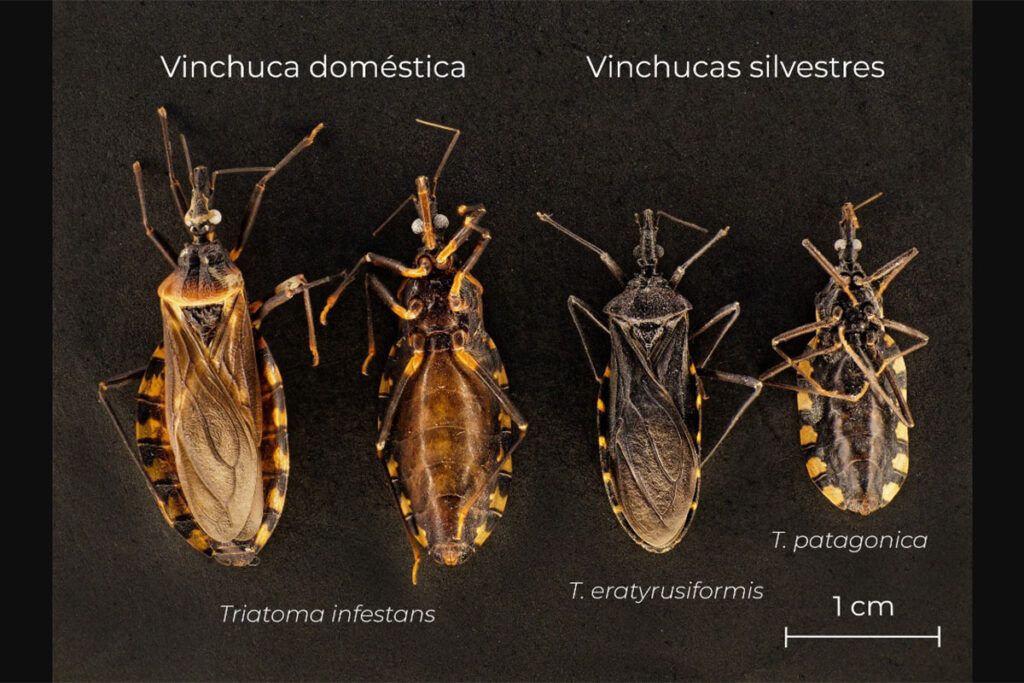
Unove was the main producer of live vinchucas in the country for the supply of research institutes. It had diverse species, not only from Argentina, which made it a unique laboratory in the region. In addition, I received vinchucas collected in Chagas prevention campaigns in different provinces. There was a study in progress to determine the resistance to insecticides of vinchucas sent from San Juan: it remained unfinished.
The bugs that arrived were subject to analysis and, if they were found infected, they gave rise to the implementation of public policies for families in affected areas. Who and where will analyze the vinchucas from now on? It is not known. Neither the portfolio led by Mario Lugones nor Malbrán, led by Claudia Perandones, responded to this media’s queries.
In addition to the “merger” of Cendie, the “dissolution” (without euphemisms in this case) of the National Center for Nutritional Research and the “merger” of the National Center for Biological Quality Control with the National Institute of Biological Production was ordered, all under the orbit of Malbrán. The move included 39 layoffs, among managers, researchers and administrators, in CABA, Misiones, Córdoba and Salta.
Three of the disaffected professionals spoke with Time. Anonymously, for fear of reprisals. They want the scrapping to be made visible from within. “Structures that took years to build are falling apart,” they lament.
79 chickens adrift
The situation in the vinchuca production laboratory is perhaps the most graphic. It operated in the Colonia Santa María de Punilla Hospital, a huge and deteriorated building from the beginning of the 20th century, which was born as a center for the treatment of tuberculosis and in its long history became a clandestine detention center during the last dictatorship.
Until 2023, ten professionals worked there for Unove, who in 2022 had become dependent on Cendie. Due to resignations in recent years due to poor working conditions, three remained. Not anymore. Only a team from the Directorate of Zoonoses and Vector-Borne Disease Control and a warehouse of insecticides remain in the building. “The day they fired us, no one knew how to give us any instructions. Not even who to leave the keys with, or what to do with the vinchucas. In addition, there are 79 chickens that were used to feed vinchucas. They are locked in the building, in the back. There is no one in charge of giving them water and food. The last day we stayed up late asking for directions. No one responded,” said one of those fired. In Punilla, microscopes, computers, magnifying glasses and expensive equipment were left, some almost unused due to a shortage of personnel.
With the “merger” of Cendie with the National Institute of Parasitology, a few weeks before the layoffs, there was a promise of continuity. “We had two meetings. They told us that they weren’t kicking us out, that everything was fine.” The scrapping progressed the same. At that Institute, another member of the team said, “they do not work with vinchucas. They do with Chagas, but with the parasite and with patients. We are (correction: ‘we were’) the only ones in Argentina that produce the vector. In 2023 we had a production of 160 thousand vinchucas. Now there are 42,000 left.”

“There is no more”
Another of those fired speaks from Misiones. Until the middle of last year, the National Institute of Tropical Medicine (Inmet) operated there. It was one of the organizations dissolved in July. The Government argued that there was overlapping of functions and lack of concrete results. The scientists who worked there were placed in other areas. Finally, 13 of them have just been fired.
“We remained working linked to other institutes, with the promise of not disintegrating our lines of research. But there was no communication with us in these months,” says one of the disaffected people. Among them there are biologists, geneticists and veterinarians. “The termination of the contracts lacks any justification and can only be understood within the framework of a systematic process of dismantling and emptying of strategic areas of the Argentine scientific-health policy promoted by the current national government,” say the members of the Institute of Subtropical Biology (UNaM – CONICET).
In Iguazú, as in Punilla, bugs were left adrift: colonies of mosquitoes that were part of projects linked to dengue. “In the work on viruses transmitted by mosquitoes, the entire line was lost, it no longer exists. It is a loss of information and a lot of effort, because it is very difficult to reach an established colony, to reproduce, to have many generations,” explained a professional who belonged to the now non-existent Inmet. On March 31, he signed the one-year renewal contract. Hours later, they notified him of the termination. Without explanation or notice.

Mental Health: more asylums, less budget
In recent days, Minister Mario Lugones was in the news for the crisis in Pami, for the situation of collapse of the disability sector, for the shortage of vaccines and for the emptying of Remediar. In this framework, he decided to announce the submission of a project for a new Mental Health Law, based on a manicomalizing paradigm.
“It will generate more expenses for the State, without the consequent benefit for society,” questioned Alberto Trímboli, founder of the Argentine Mental Health Association. In addition to criticism of the proposal, the spotlight is on the current policies of the Milei government on mental health. For example, the emptying of the Bonaparte Hospital, specialized in the matter. Also, extreme underexecution. The Mental Health Support and Promotion area, part of the Prevention and Treatment of Specific Pathologies program of the Ministry of Health, has $47 million to operate this year: $652 million less than in 2023. In addition, so far in 2026, only $1.4 million had been executed until the end of March. An average $466 thousand per month.
The end of the Remediate Program
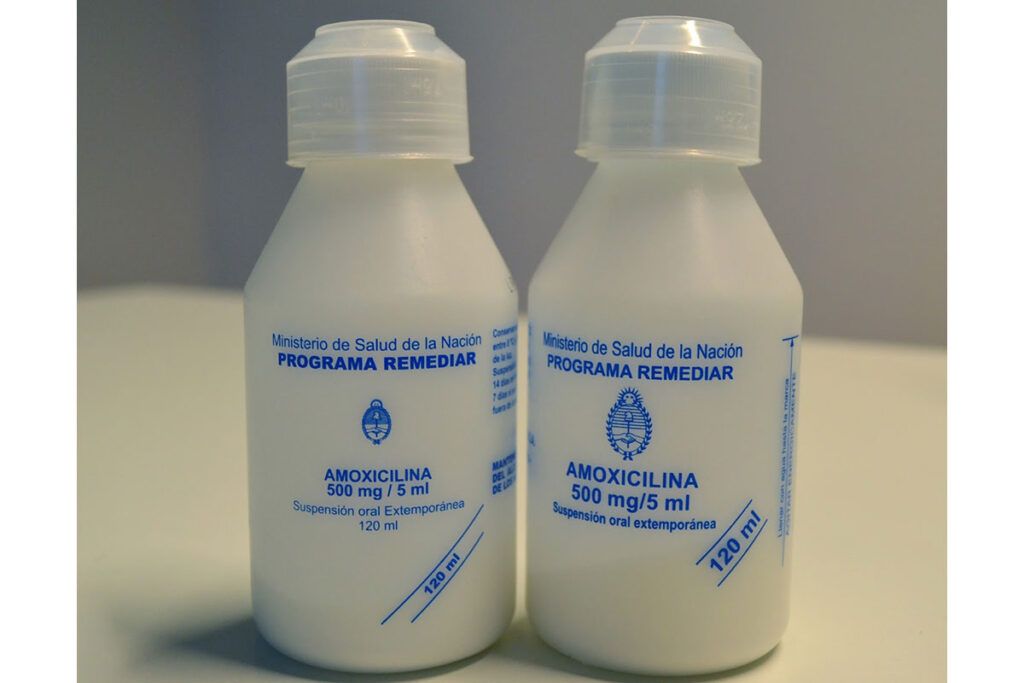
The Minister of Health of Tierra del Fuego, Judit Di Giglio, was one of the health authorities who raised her voice the most after the last meeting of the Federal Health Council (COFESA). He spread “terrible news” that was raised at that meeting: the end of the Remediar Program. “It was announced that there will be an extraordinary two-month purchase of the compositions that make up the kit (which today includes 79 drugs) that would be available for the months of May and June. Then it will continue with only three drugs, nothing more,” they confirmed to Time from the Di Giglio team.
The Minister of Health of Buenos Aires, Nicolás Kreplak, also warned that “the National Government is about to commit one of the worst health atrocities that we know of: they are closing the Remediar Program, which is 24 years old, which serves more than 20 million people.” He highlighted that it was this program that allowed Argentina “to have health coverage that is seen in very few places in the world.” Even so, his future is uncertain.
The national deputy Pablo Yedlin, together with his counterpart Claudia Palladino, presented a draft declaration in Deputies to express the “deep concern” of the legislative body regarding the “non-compliance, the lack of public information and the reduction in the provision and distribution of Remediar medications.”