After launching the “university leg” of the Right to the Future Movement (MDF), Governor Axel Kicillof continues to advance with the construction of his electoral structure and will lead an event, now in Avellaneda. In parallel, he will define whether he will participate in the progressive summit against the rights that will take place next Friday and Saturday in Barcelona, which could add an international photo to his album by 2027.
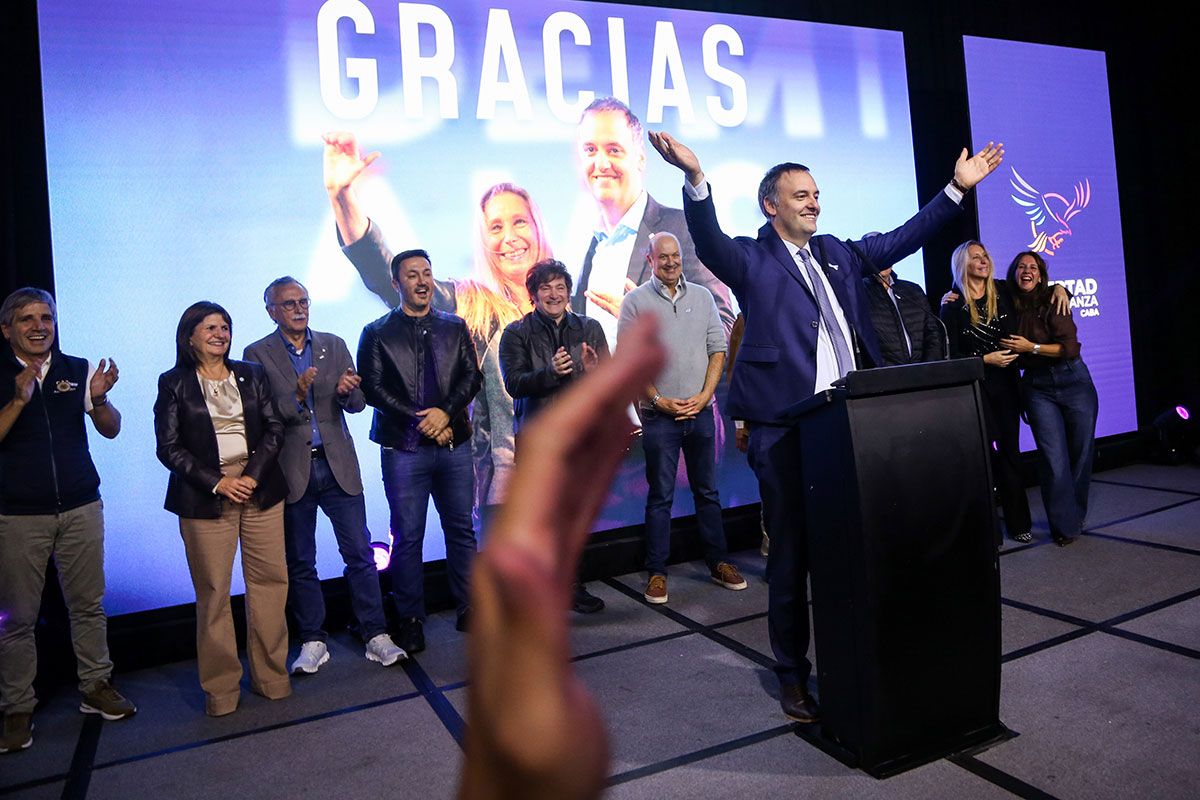
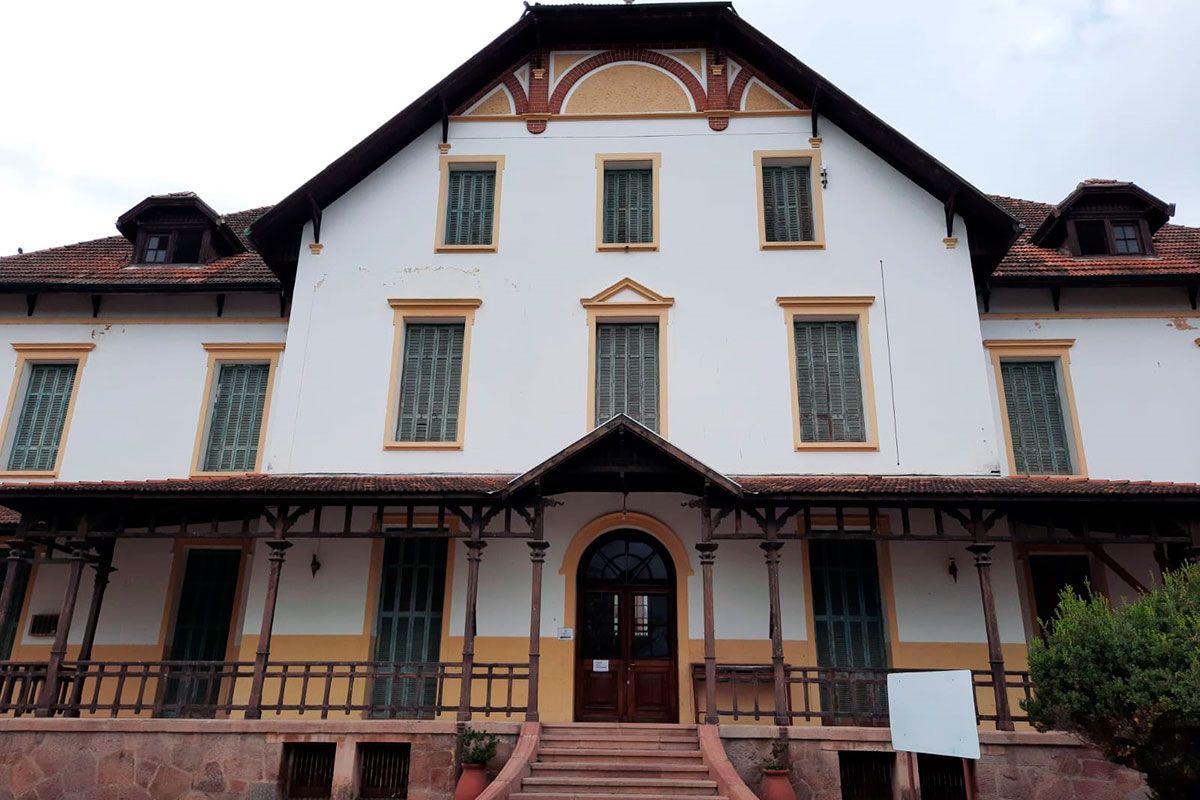
The new presentation of the MDF will take place on April 23 at the Roma municipal theater in Avellanada, the district led by Mayor Jorge Ferraresi. There the “MDF Education” will be launched under the slogan “For a country with the right to the future.”
The idea, as explained to Time from the president’s entourage, is to continue forming sectoral spaces as already happened with “University and Science” – launched last Thursday – and with the Right to the Future Study Center (CEDAF), the think tank with which Kicillofism seeks to develop proposals in economic and productive matters and give programmatic support to its political project.
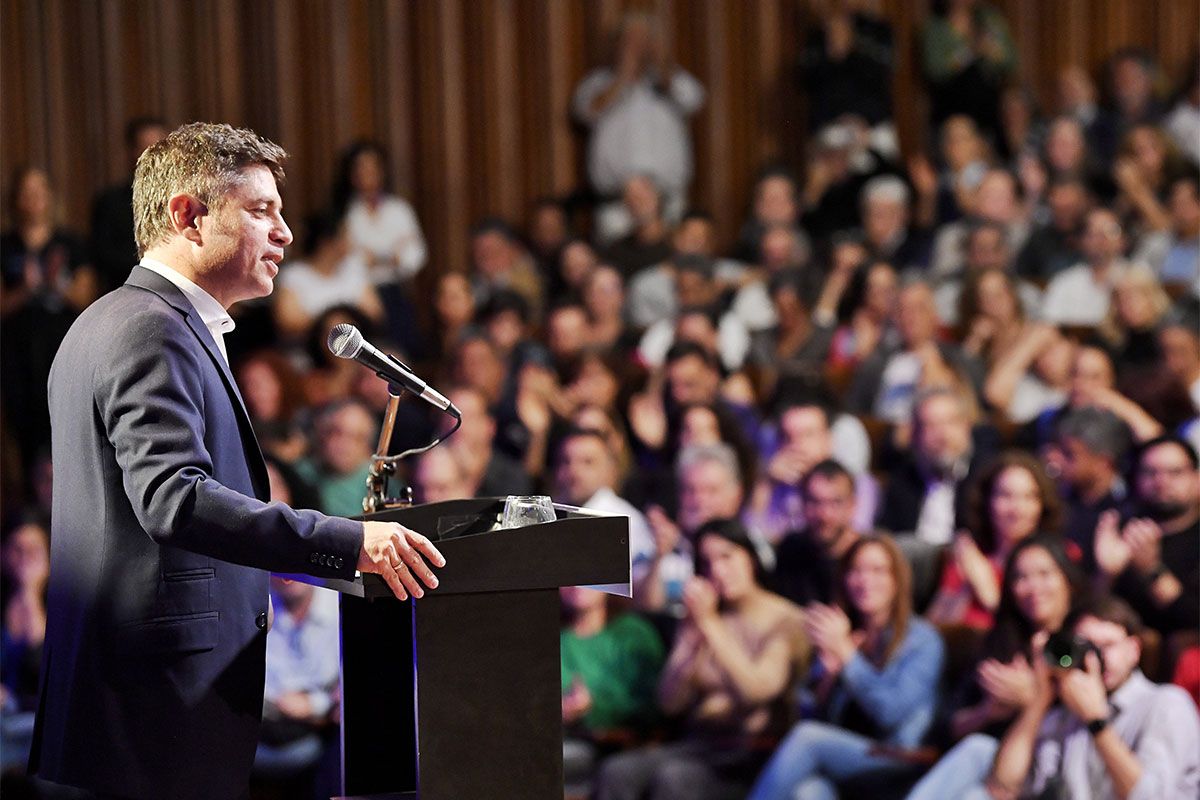
In the event he led last Thursday in Ciudad Universitaria, the Buenos Aires governor criticized Milei for the adjustment to public universities, assured that he is executing “a plan for the massive destruction of public education” and predicted that Milei “has less than two years left.” In the same vein as his last speeches, he called on everyone to build a political alternative that would allow Peronism to govern the country again..
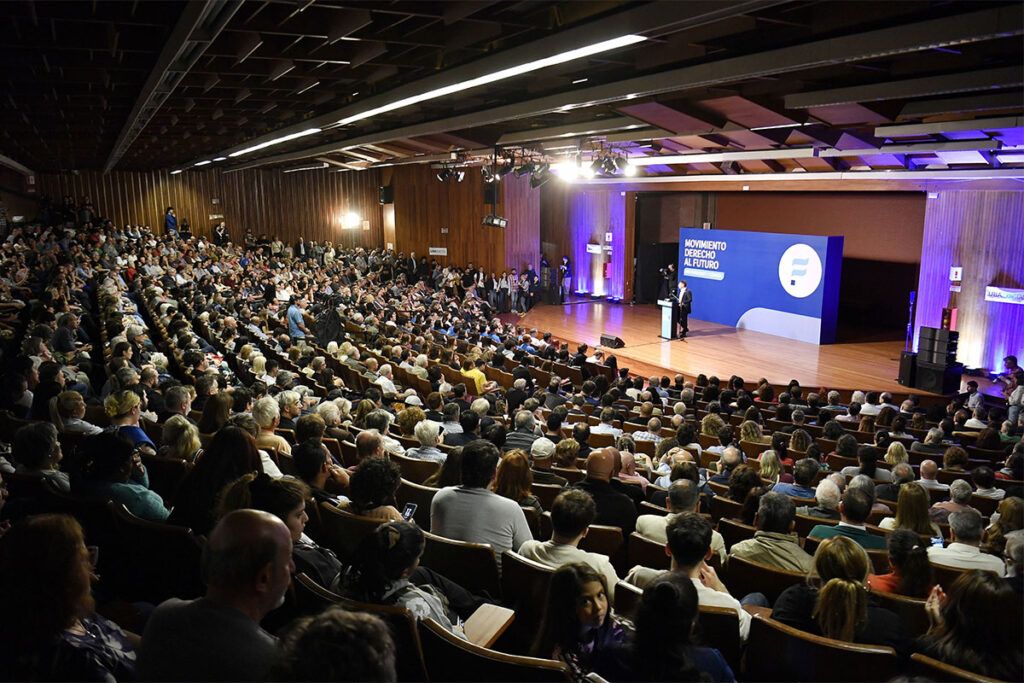
But he also spoke to Peronism. He maintained that “we should not waste time on internal affairs” and that we should “talk to everyone” in reference to opening the armed forces, as he has been insisting since last year. He spoke again about composing “new songs” – the same phrase that generated so much anger in La Cámpora in the 2023 campaign – and warned that we must not repeat the mistakes that the Frente de Todos made between 2019 and 2023. “It cannot happen to us again that we achieve an electoral expression that can win the elections and then have difficulties to govern,” he launched in reference to the disputes between the then president Alberto Fernández and the vice president Cristina Fernández de Kirchner.
In parallel, during the week it showed movements in that same direction. On the one hand, he received evangelical pastors to analyze the impact of the social crisis in the neighborhoods and also met with leaders such as former deputy Emilio Monzó and with the deputy of Encuentro Federal, Nicolás Massot, in gestures that aim to expand the political base of the space. The meeting was downplayed by the president, but it is part of a sequence of contacts that seek to add political volume.
Before the event on April 23, Kicillof could add an international photo to the album that he has been filling in recent years with leaders from the region with whom he has good harmony and who are at the opposite end of Milei. He was invited to the progressive summit that will be held in Barcelona on April 17 and 18, organized by the president of the government of Spain, Pedro Sánchez, and
in which the presidents Luiz Inácio Lula da will participate
Silva (Brazil), Gustavo Petro (Colombia), Claudia Sheinbaum (Mexico) and Yamandú Orsi (Uruguay), among other international leaders.
The objective of the meeting is to offer a message of unity of center-left and progressive forces from around the world in the face of the increasingly violent advance of the extreme right. More than 50 panels are planned around different topics such as democracy, economy, climate change, migration and political strategies.
Kicillof has not yet decided whether he will attend although, for the moment, he does not have a confirmed agenda for those days. His presence at the summit would help him position himself as one of the staunchest opponents of Milei on the international level and would consolidate the ties he has already maintained with other Latin American leaders.
The National PJ, meanwhile, did confirm that it will participate with a delegation that will be headed by Eduardo “Wado” de Pedro, Jorge Taiana, Eduardo Valdés, Nicolás Trotta, Lucía Cámpora, Roxana Monzón, Lorena Pokoik, the economist Delfina Rossi and the Secretary of International Relations of the PJ, Gustavo Menéndez. In this scenario, the leaders will reinforce the “Free Cristina” campaign and denounce the political banning of the head of the National PJ.
The PJ on standby
In addition to consolidating the assembly of the MDF, Kicillof has pending work in the Buenos Aires PJ, which he has presided over on paper since March 15 although there has been no formal inauguration ceremony or anything like that. Having control of the party will serve as a platform to consolidate its national projection.
The president plans to call a council meeting to begin his management at the head of the party. The intention is to invite the presidents of the 135 PJ from across the province, who were formalized in their positions after the fights that took place in 16 districts. The call could arrive by the end of April, although those around the governor stressed that nothing has been defined yet.
A few weeks ago, the president announced what his first steps will be as head of the party: reorganize and modernize the structure of the party, carry out a new campaign for new affiliations and also expand the political training and training of leaders. “A new stage is coming in which we are going to propose what has been an imperative for the party, such as expanding affiliations, training, political preparation and technical staff with a federal perspective,” he said. «