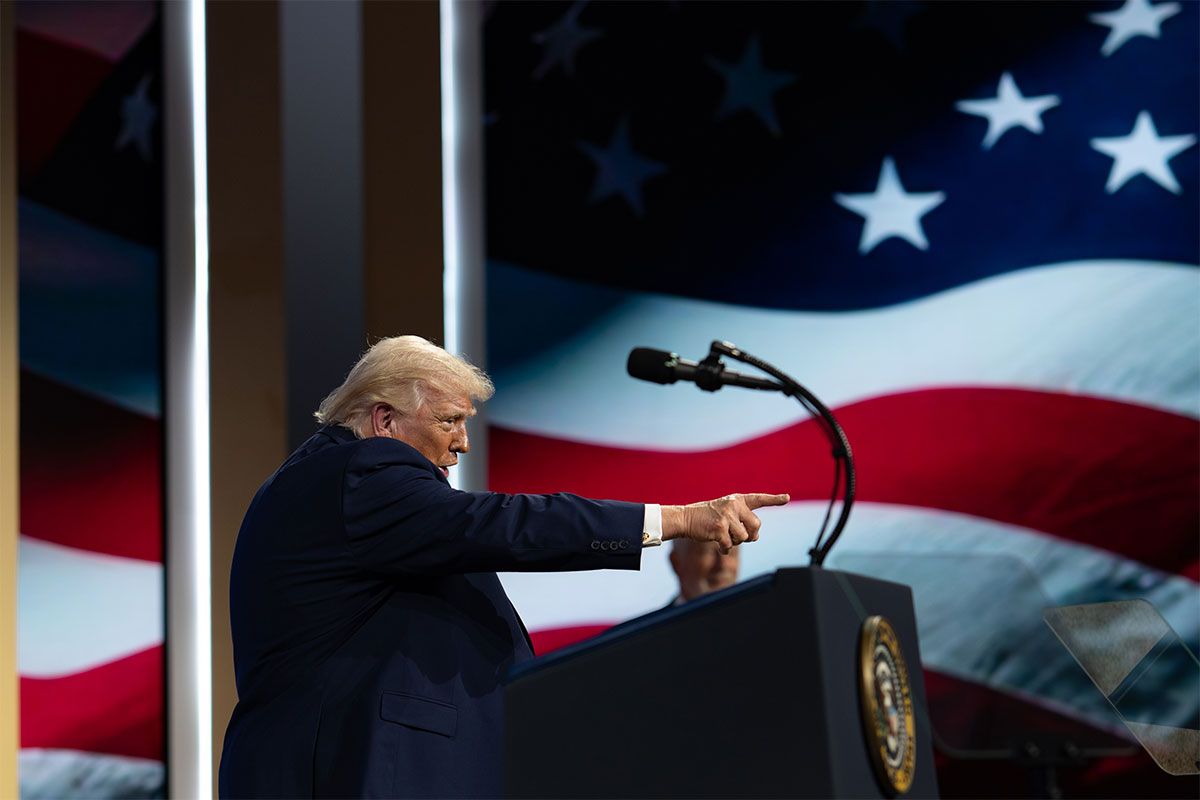
“Cuba is next… pretend I didn’t say it, please pretend I didn’t say it.” Thus, as a sinister joke, Donald Trump closed this Friday the summit of the Future Investment Initiative (FII in English), Saudi Arabia’s main sovereign fund, which took place at the Faena Hotel in Miami. The president of the United States was particularly loquacious or, if you like, “mouthy,” in that forum created by Prince Mohamed bin Salman that is known as the “Davos of the Desert.” Before that select audience, the president blurted out to the Saudi head of state, as if in passing, that a year ago he did not even imagine that he would end up “kissing his ass.” And he added: “I thought I would be just another president. But now he has to be nice to me, tell him he better be nice.”
The most substantial thing about that talk before monarchs full of money – one month after the attack on Iran together with Israel – was that he recognized that “the largest aircraft carrier in the world” suffered a barrage of missiles from Iranian forces from 17 different angles. The USS Gerald Ford, which would be the case, had to return to its base in Crete last week, according to the Pentagon, due to a strong fire in the laundry area. The fleet’s other aircraft carrier, the USS Abraham Lincoln, was taken about 1,000 kilometers off the Iranian coast as a precaution.
In that very relaxed talk, the White House tenant also acknowledged that the Iranians had prepared very well to wait for this armed incursion and, while he was at it, he thanked the Arab countries, represented in addition to the Saudis by the leaders of Kuwait, the Emirates, Bahrain and Qatar. “They did more for the war against Iran than NATO,” he ranted.
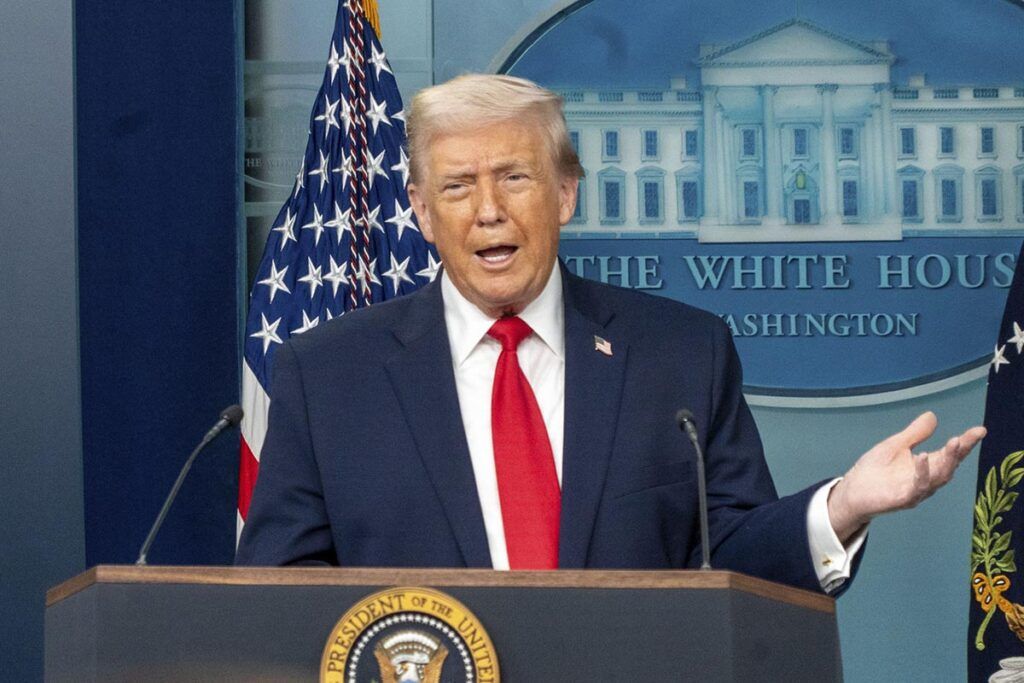
What is clear after that speech in the city where the 47th president of the United States spends the most time is that they can no longer hide their surprise at the resistance offered by the Persian country, which suffered bombings since February 28 in the operation called “Epic Fury.” As has happened throughout history, at first every war seems like a “walk” of no more than a week. Experience teaches that starting is easy, or difficult is ending. And the triumphalist verbiage of Trump and his ministers only confirms through the absurdity that “things happened.”
There is no way to know how much more Iran may have left in missiles of the most exquisite technology or the low-priced drones that have proven useful as a destructive element and as a distraction for defensive domes. That combination managed to destroy US radars and military bases and left Israel unprotected by air.
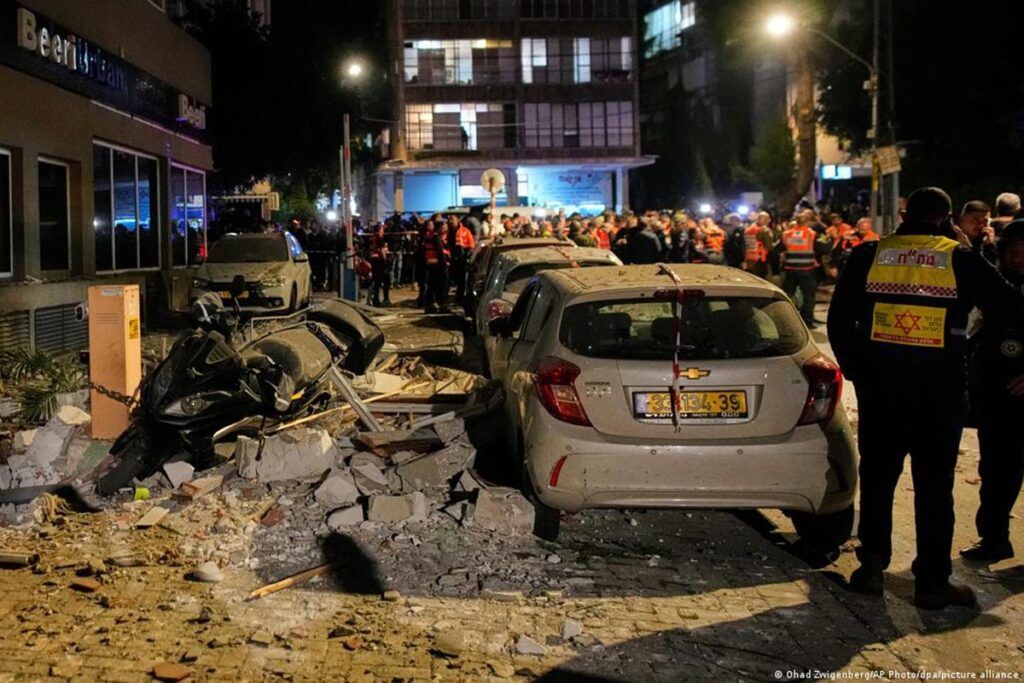
Beyond the triumphalist speeches, it is also not easy to determine how much remains remains for the United States or Israel, which is beginning to show wear and tear in both material and “manpower” (see separate). Wars since the industrial revolution are contests in which those who show greater production capacity gain the advantage. And the figures for material losses on the US side far exceed the volumes that companies linked to the Pentagon can replace. A Brazilian analyst, Patricia Marins, assesses that when he dragged Trump into the war against Iran, Netanyahu not only erred “in evaluating Iranian capabilities, but also overestimated the American ability to sustain it in a high-intensity conflict” such as the one posed by the Persian country. And he adds: «This fragility is the result of a long process of atrophy of the defense industrial base, which began after the end of the Cold War. In the 1990s, the Pentagon had 51 prime contractors competing for major contracts. Today, only five giants remain: Lockheed Martin, RTX (formerly Raytheon), General Dynamics, Northrop Grumman and Boeing.”
It is easy to imagine that this is the reason for the marches and countermarches that Trump rehearses in the face of a resistance they did not expect and an Israeli bellicosity that is increasingly difficult for him to sustain. The networks were filled these days with memes about the erratic strategy of the real estate magnate. One Saturday he attacks key sites in Iran, gives 48 hours to negotiate and the price of oil skyrockets. On Monday, when the markets open, he says he gives five more days: prices drop and a group of savvy insiders make fortunes with these swings in the stock market. During the week he presents conditions for an agreement and, in the face of Iranian rejection, extends the deadline to “destroy its power plants” to ten days.
To all this, the American specifications are actually an unconditional surrender that is not being sustained on the field at the moment. There are 14 points that range from the demand to dismantle all its nuclear capabilities and the commitment not to develop this type of weaponry or uranium enrichment, to abandoning all types of support for regional “proxies” (Hebollah, Hutíes et al), leaving the Strait of Hormuz open and limiting the missile program in scope and capabilities.
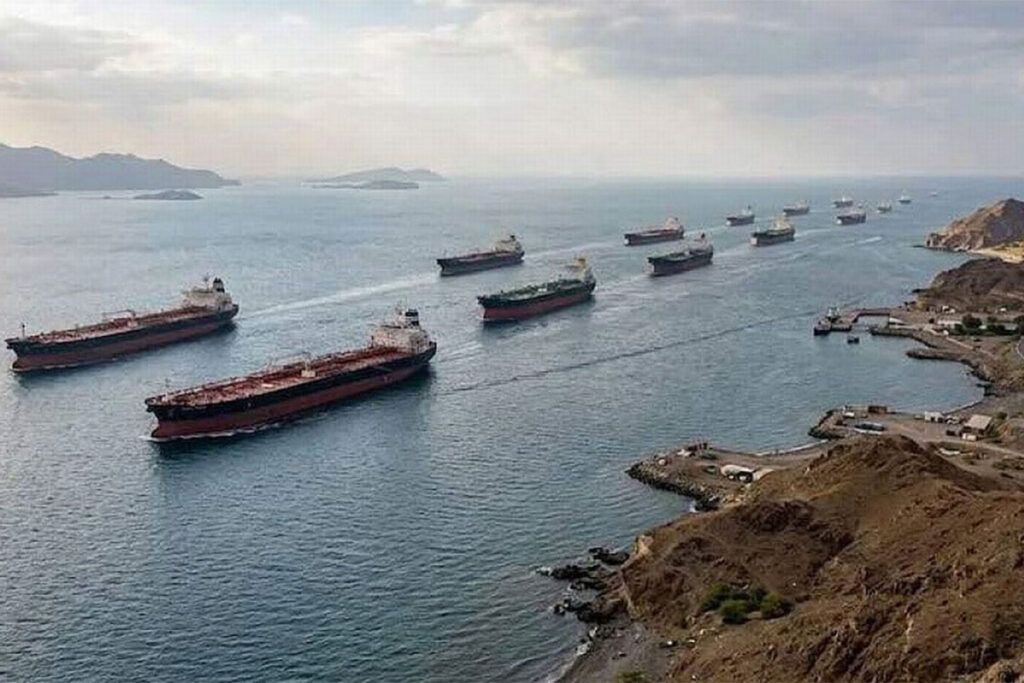
From Tehran they responded with their own outline of conditions. There are just six points: eliminate all sanctions against Iran, recognize the right to enrich uranium, compensation for damage caused in the war, no more attacks against the Islamic resistance movements in Lebanon and the Ansar Allah in Yemen and, as icing on the cake, dismantle all US military bases in that region.
As in any negotiation, we always start from a maximum claim until positions are brought closer. Here the differences are enormous, and still no one shows that they are truly “with their tongue out.” However, there is a crucial issue and that is who a Western delegation would sit with, given that Israel boasts of having been assassinating members of the Iranian leadership one by one and threatens to continue doing so. From Iran’s point of view, how can we believe in any negotiating offer if the last two wars, the one in 2025 and the one unleashed 30 days ago, were due to attacks that occurred in the middle of negotiations? «
Attempt to abolish the future
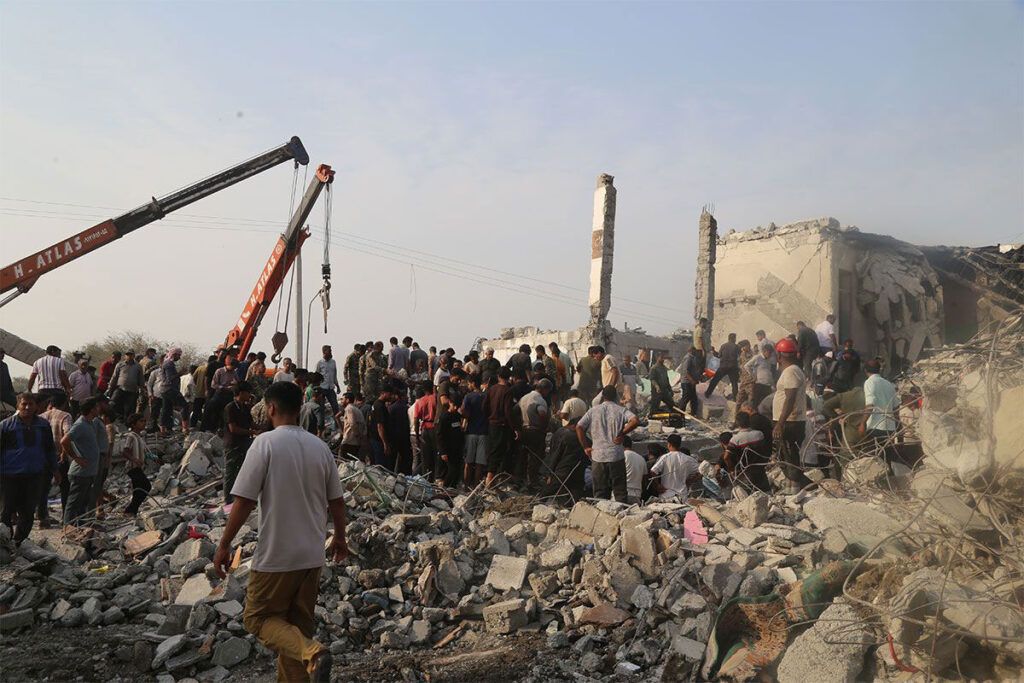
Israel not only assassinated Ayatollah Ali Jameei and members of the government leadership, as well as in June 2025 it eliminated a large part of the scientists who developed the Persian nuclear project. Now, in addition to threatening to continue down that path, he attacked two of the most prestigious universities in the country, Isfahan Technology and Tehran Technology.
In the first 27 days of joint bombings with the United States, they destroyed 600 schools throughout the territory. The most horrific case was recorded on February 28 in a primary school in the city of Minab, a bombing that left around 170 people murdered, the overwhelming majority of them children.
The cruelty towards the ruling class is parallel to that seen against intellectuals and scientists who demonstrated their capacity with the technological development that is now seen in the responses.