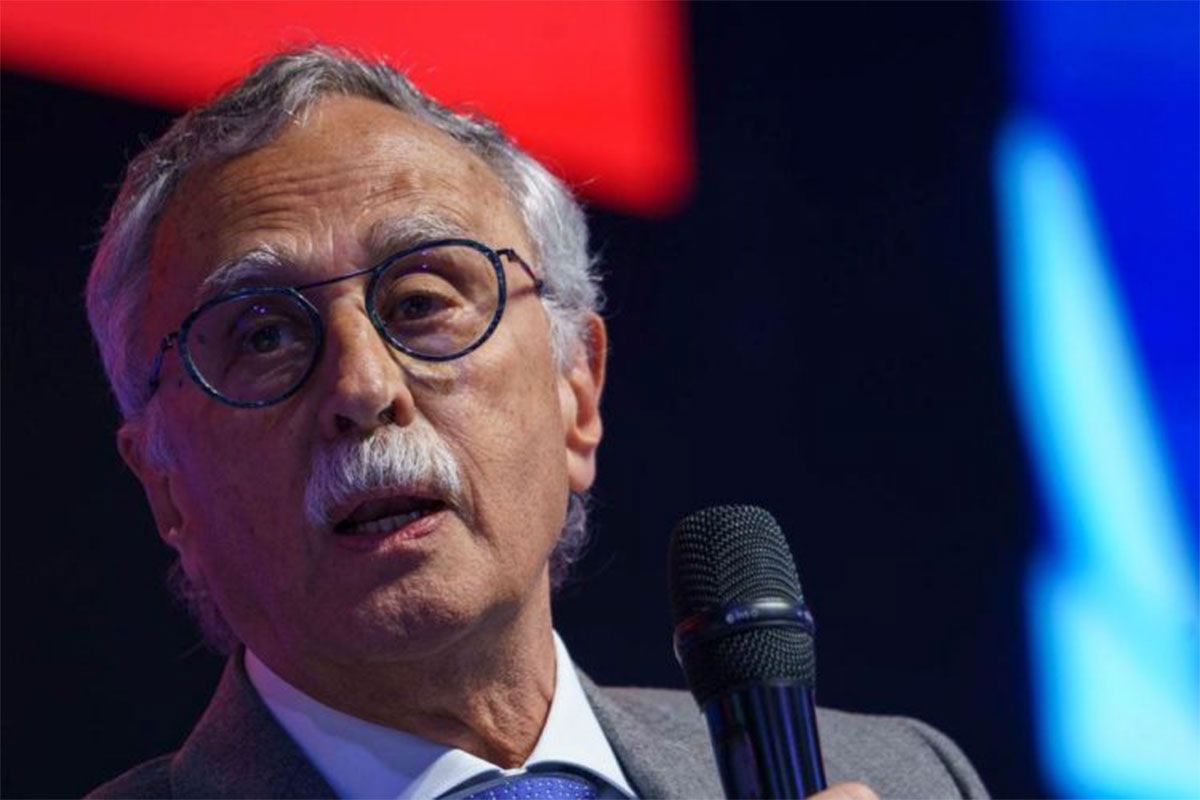
Loose in body, like someone who says “water goes”, the Minister of Health of the Nation, Mario Lugoneshe released a «As you know it now, in two months the Remediar program will no longer exist«. With that brief phrase – expressed on March 30 before his peers from all the provinces gathered in Buenos Aires at the Federal Health Council – he placed the tombstone on one of the most effective and efficient health policieswhich for more than two decades guaranteed the delivery of essential medicines free of charge to those people without any type of social coverage.
The Remediar plan was created in 2002 under the emergency presidency of Eduardo Duhalde and with Ginés González García At the head of the health portfolio, Argentines’ access to essential medicines had collapsed dramatically, increasing the burden of disease in preventable pathologies.
The brutal increase in poverty due to the forced exit from convertibility and the fall of formal jobs pushed millions of people to the margins, whose priority was to buy food rather than medicines in pharmacies. And Minister Ginés knew that providing medicines from the State was putting money in the pockets of Argentines.
«Prior to the existence of Remediar, people went to the neighborhood clinic with a health problem and left with a prescription and frustration because they knew that they would not be able to buy the medicine that the doctor had prescribed.«, reflected Ginés, promoter of the initiative and disciple of Ramón Carrillo. The Minister of Health of three different Presidents was the one who best understood the social nature of most of the pathologies that affect Argentines.
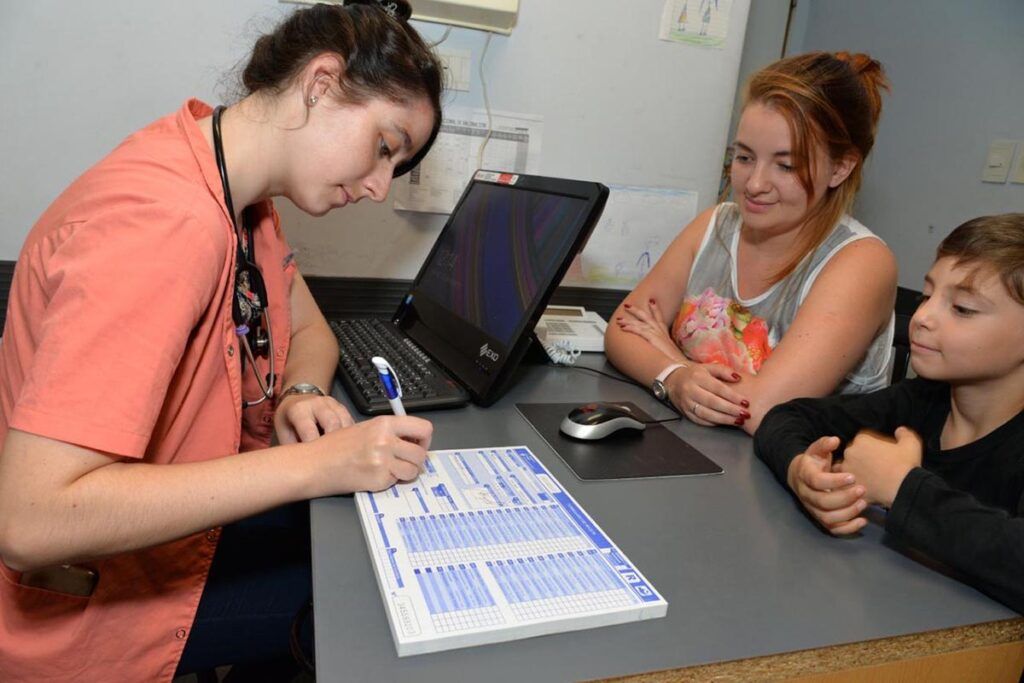
Since its operation, the logistics of Remediar became increasingly complex, not only due to the need to reach all Primary Health Care Centers (CAPS) scattered throughout the four cardinal points, but by the incorporation of new drugs in the medicine cabinet sent regularly, according to the planning agreed upon with the provincial authority according to the incidence of the prevalent pathologies in each geographic region. There was no standard Remediar kit, but it was prepared, with epidemiological and scientific criteria, according to the needs of each of its recipients.
As a gateway to the health system, the CAPS flourished in all provinces, they were equipped, they were nourished by professionals, they extended their hours of service, they functioned as true centers of promotion and prevention, which, as is known, is always more economical for the system and makes people gain quality of life.
Remediar was the engine of that transformation. There were more than 8,000 throughout the country, covering the needs of more than 20 million compatriots.. The symbolic delivery of the 500,000 first aid kit, the one million, the one million, five hundred thousand, and so on, were true popular celebrations in which the direct beneficiaries of the program celebrated in the community and in their own territory the success of a health policy of social inclusion. The neighbors love Remediar because with it they had an immediate response to their problem, and the members of each neighborhood health team also love it, from Ushuaia to La Quiaca.
People and workers united in affection and attachment to programs such as reproductive health, the constant expansion of the national vaccination calendar, the promotion of physical activity as a passport to a healthy life, anti-smoking policies, community commitment to prevent endemic diseases such as Chagas disease or the lurking presence of dengue: each of the health actions were defended by the health team and apprehended by the community on the ground, with the CAPS as the basis for their execution.
The emptying of the Remedy plan
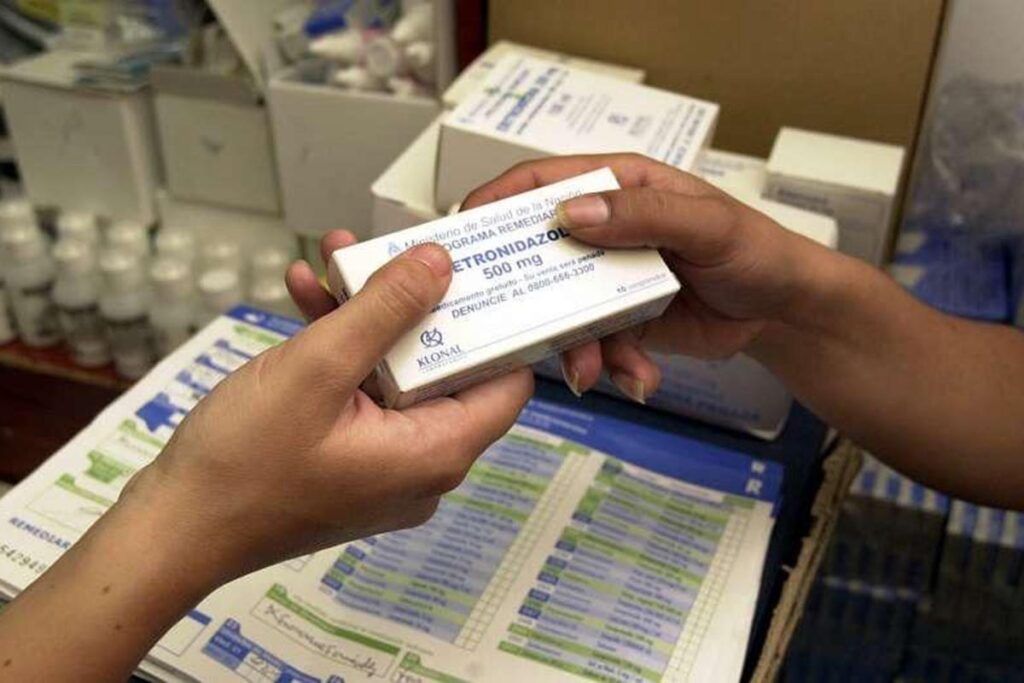
Faced with the astonishment of Health Ministers of provinces whose Governors mostly pay political tribute to the libertarian administration, Lugones put an abrupt end to a successful experience, saying that of the 79 medications that today make up each Remediar medicine cabinet, only 3 will survive.; precisely, those that the national Ministry of Health is obliged by law to provide; basically, those related to reproductive health.
Some ministers, exhuming the weak dignity that they retain despite having to deal daily with the health desertion of the national State, outlined a complaint against the cutting minister himself: “Just now before winter are they going to stop sending us antibiotics?”
Someone else recalled the million-dollar debt accumulated during a year due to the non-transfer to the jurisdictions of the funds corresponding to the SUMAR program. And of course, there was no shortage of complaints about vaccines that do not arrive in a timely manner and whose provision must be guaranteed by the national health portfolio.
It cannot be ignored that during Mauricio Macri’s administration, Remediar had already suffered the impact of definancing. To shield him from similar attacks, in 2022 the then national senator Pablo Yedlin He promoted a law to give it the status of law, which had half a sanction in the Upper House but then lost parliamentary status in the Deputies.
In alphabetical order, and just to mention a few, the traditional medicine cabinet included medications such as analgesics, antacids, antianemics, antiasthmatics, antibiotics, anticonvulsants, antihistamines, anti-inflammatories, bronchodilators, medications for cardiovascular, psychiatric and gynecological diseases, corticosteroids, hypoglycemics, etc.. Remedies that from now on people who need them must purchase in pharmacies. Will they get it?
It has always been maintained that democratic and institutional quality improves when the good done by other administrations is sustained. Therefore, the official decision to cancel Remediar by the “mole who came to destroy the State from within” is not surprising. With PAMI canceling benefits, without vaccines on the official calendar, defunding or under-executing national health programs, mocking the disabled and retirees from the World Health Organization, the shadows of the disease loom over Argentinians.
At the dawn of democracy, when someone fainted in front of the boxes in which he gave his speeches, a popular President used to exclaim “a doctor on the right, please.” Although he no longer lives among us, he seems to have finally found him.
* Graduate in Social Communication (UNLP)