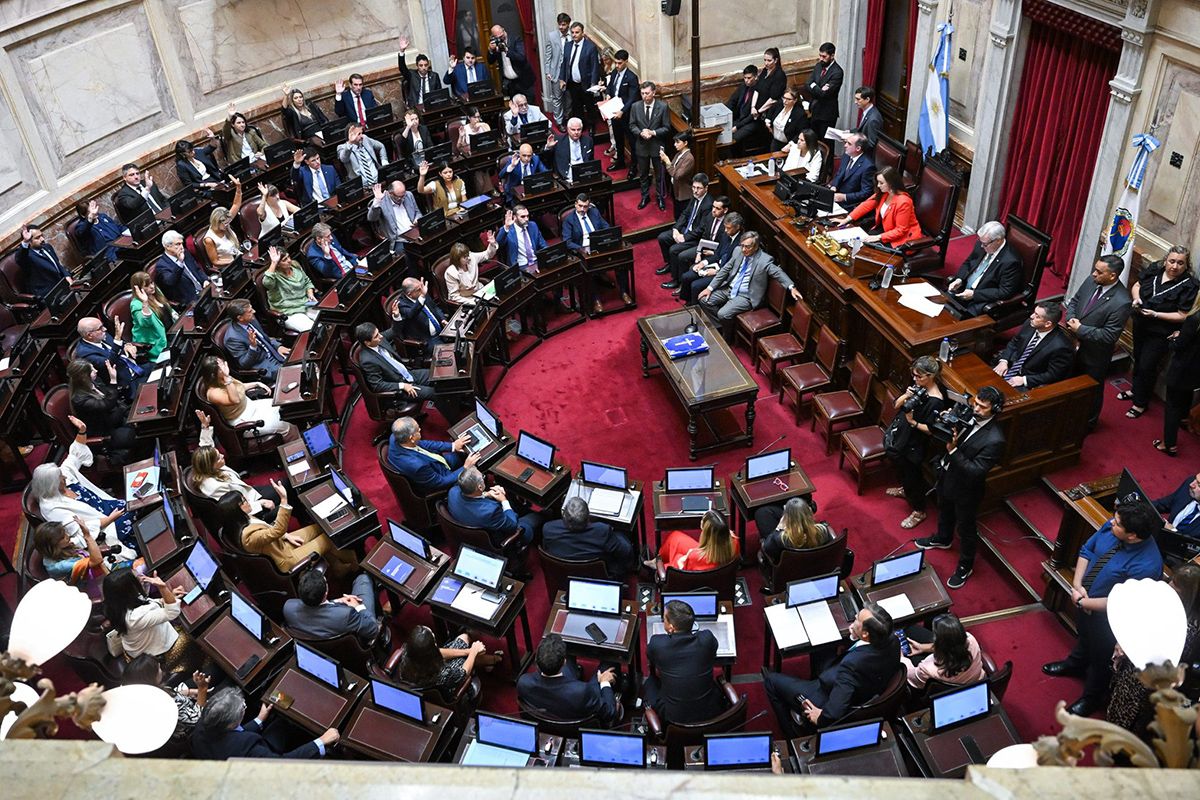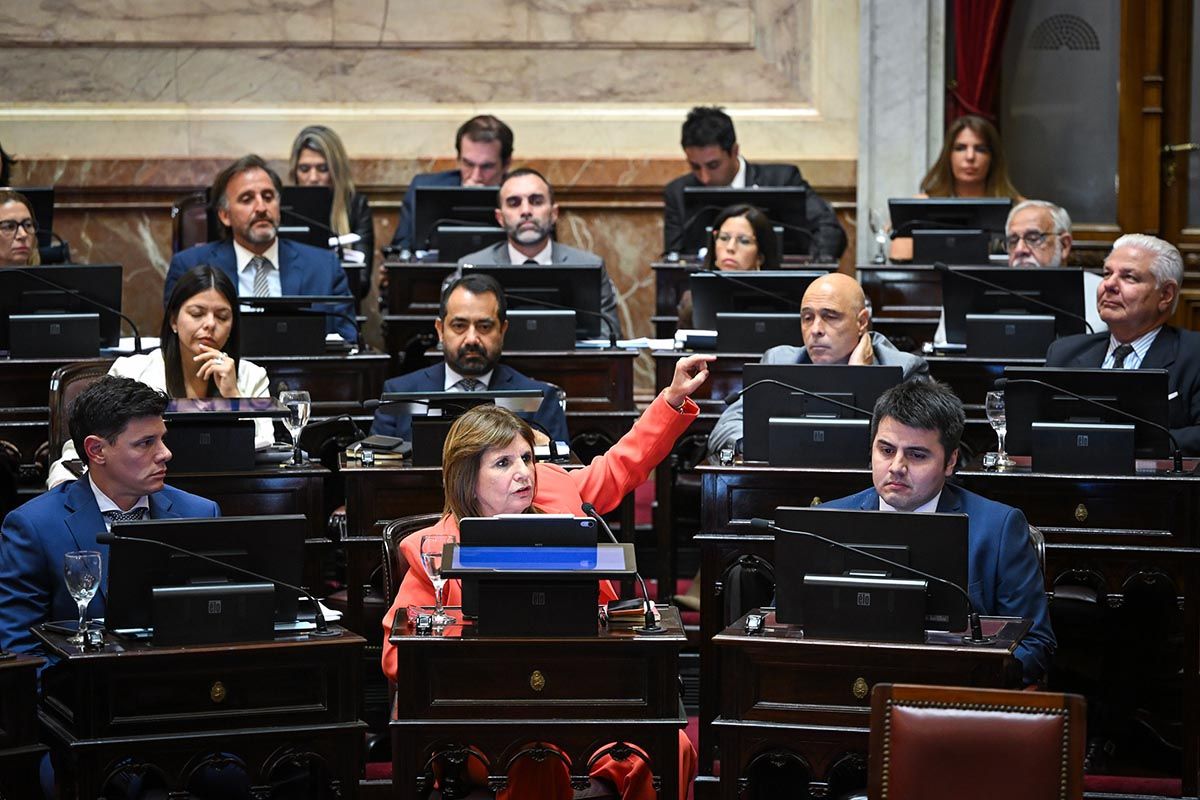
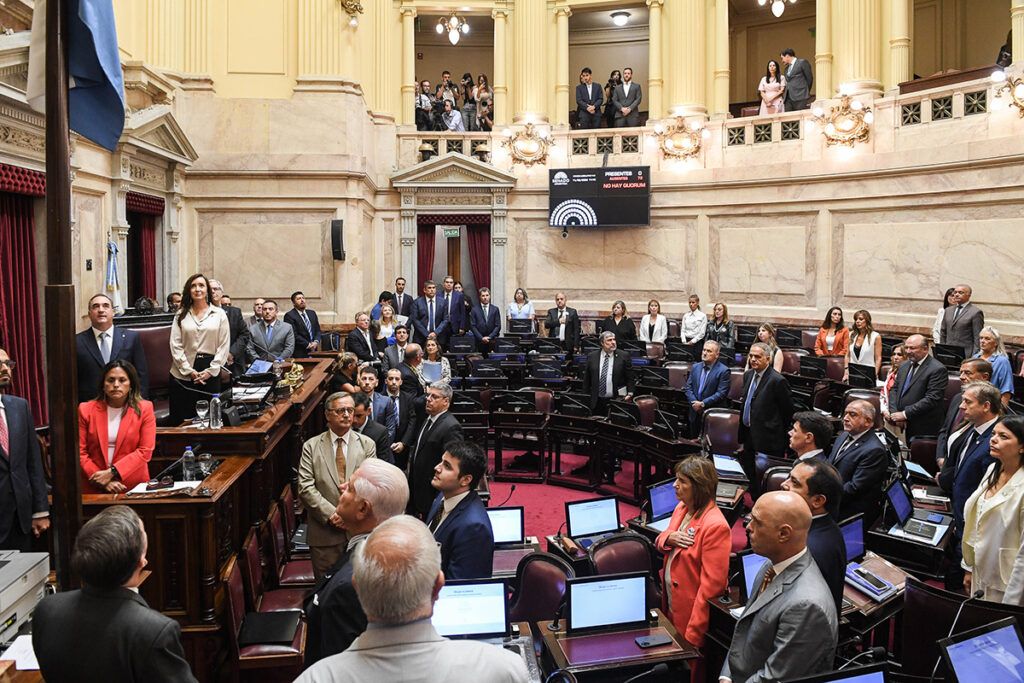
Congress is redesigning the Argentine constitutional order. Each project under debate reorganizes the relationship between economic power, the State and human life. A program is consolidated that shifts the axis of the democratic pact towards the primacy of capital over rights.
The National Constitution establishes a model: social justice, protected environment, regional integration with internal development and supremacy of human rights. He Article 14 bis guarantees decent work; Article 41 enshrines the right to a healthy environment; he Article 75 paragraph 22 grants constitutional hierarchy to human rights treaties; paragraph 24 regulates regional integration under conditions of equity. This design is being stressed by a legislative matrix that prioritizes profitability, extractivism and social discipline.
The lowering of the age of imputability establishes a regime of control over vulnerable youth. The Convention on the Rights of the Child—incorporated with constitutional hierarchy by the Art. 75 inc. 22—imposes the principle of best interest and the exceptional nature of the deprivation of liberty. The current paradigm is comprehensive protection.
The punitive turn reconfigures the vulnerable adolescent as a manageable threat. The State abandons its obligation to guarantee education, health and development conditions (Art. 75 inc. 23) and strengthens its confinement capacity. A biopolitics of selection is affirmed: poverty becomes an object of criminal control.
The principle of non-regression in matters of human rights is violated.
The Constitution loses protective density at the most sensitive point: childhood.
Glaciers
Article 41 establishes the collective right to a healthy environment and the duty of preservation. Glaciers constitute strategic reserves of fresh water. They are vital infrastructure of the Nation.
The flexibility of your protection in the framework of the RIGI enable extractive activities in periglacial zones and reorders the regulatory hierarchy: investor interest acquires centrality compared to the environmental mandate. Public policy is oriented towards short-term foreign exchange maximization. Intergenerational preservation is subordinated to the logic of enclave.
Water sovereignty defines health and food sovereignty. The movement of the glacier from a common asset to an exploitable asset transforms the environment into a business platform. The Constitution is reduced to an administrable clause.
Mercosur–European Union
The agreement between Mercosur and the European Union establishes rules that consolidate primary specialization and technological dependence. The tariff structure and dispute resolution mechanisms strengthen the legal security of the transnational investor.
Article 75 paragraph 24 enables regional integration under conditions of reciprocity and common benefit. Structural asymmetry damages that premise. Industrial policy is narrowing. Regulatory capacity is conditioned. The local jurisdiction shares centrality with international arbitration courts.

Economic sovereignty is redefined as predictability for external capital. Internal development loses strategic priority.
Regional integration only makes sense when it expands autonomy and productive capacity; When it consolidates primarization and limits industrial policy, it ceases to be a strategic project and becomes dependency administration. Without industrial coordination or regional value chains, the bloc is reduced to a raw materials export platform.
Labor reform
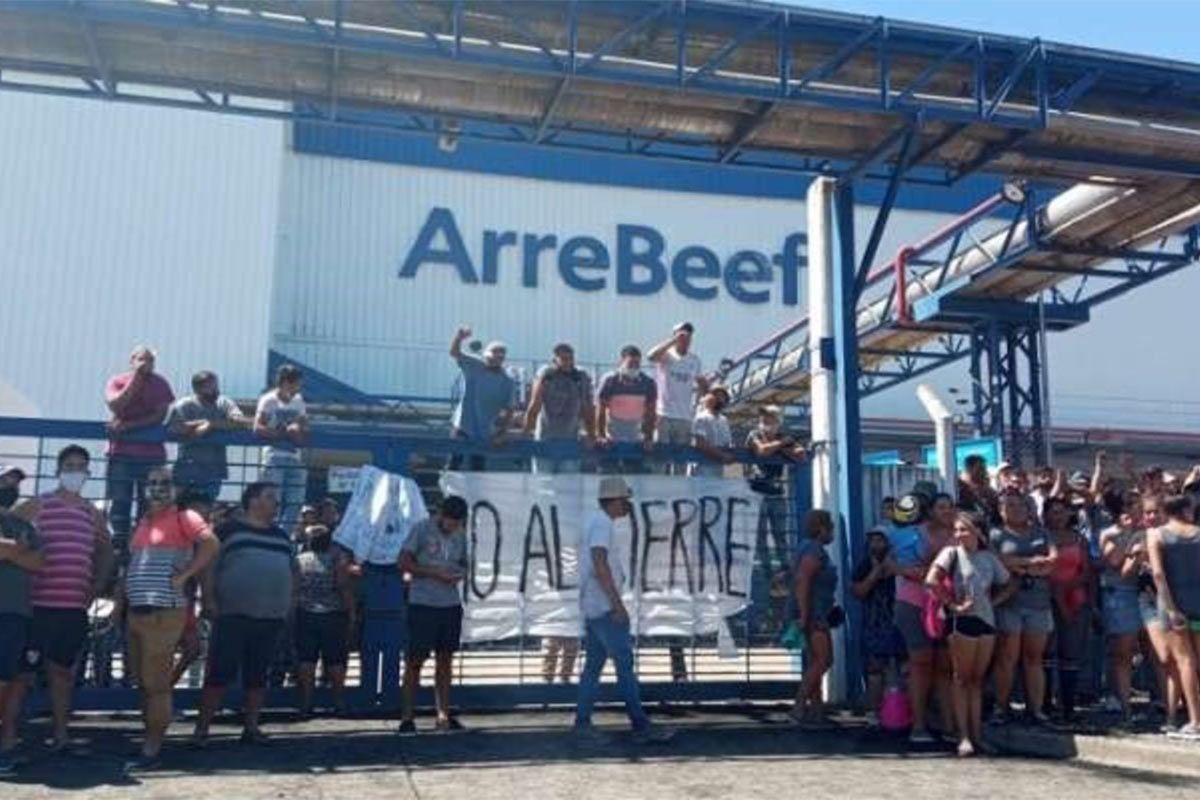
Article 14 bis establishes decent and equitable working conditions, protection against arbitrary dismissal, free union organization and comprehensive social security. The labor reform under discussion makes contractual relationships more flexible, reduces compensation costs and reconfigures the balance between capital and labor.
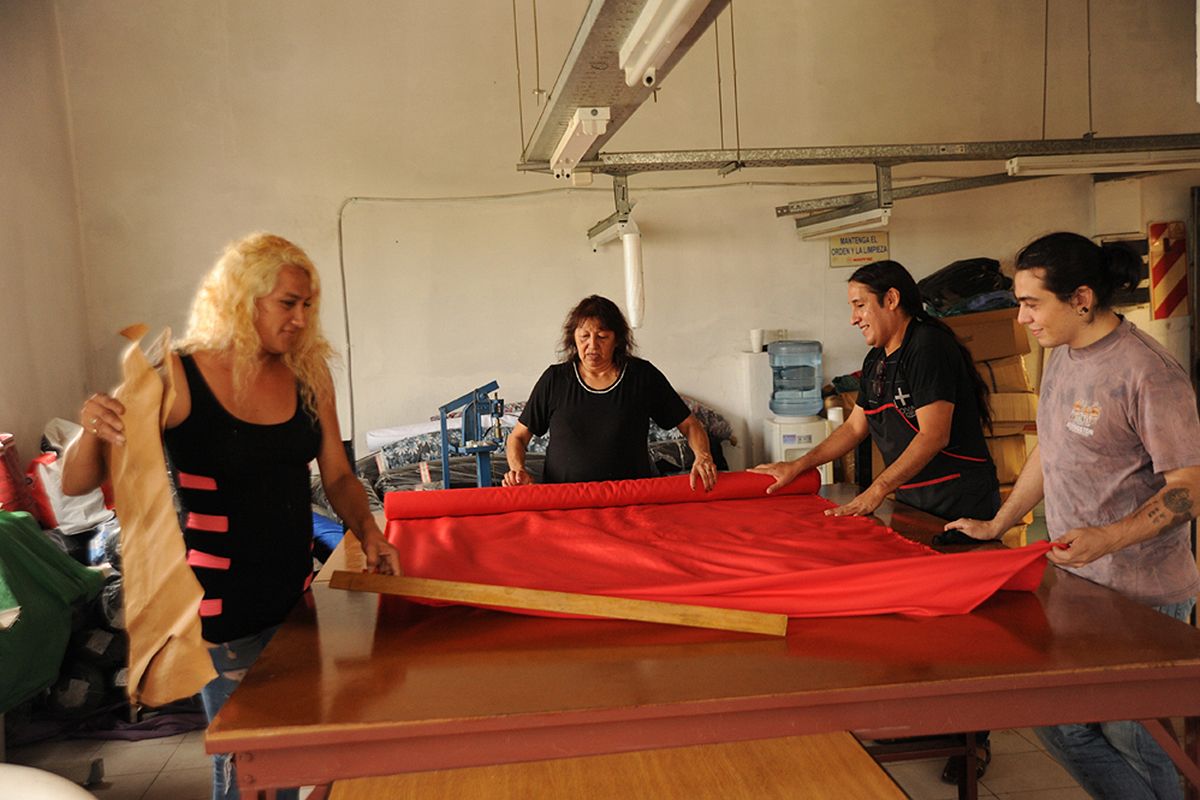
Precariousness expands the availability of the worker’s time and dismantles pension stability. The workforce is integrated into the productive circuit with less legal protection. Physical and mental health ceases to be a protected right and becomes collateral damage necessary for competitiveness.. The principle of social progressivity, recognized by the federal constitutional bloc, loses centrality. Work stops operating as the foundation of material citizenship and adjusts to the logic of efficiency.
Penalized childhood, exposed glaciers, asymmetric integration and labor flexibility respond to the same pattern. A functional periphery is consolidated imposed on the global flow of capital. The territory provides resources, the population provides disciplined work and the State guarantees regulatory stability for investment.
The Argentine Constitution was designed as a limit to economic power and as a tool of social justice. The current displacement alters that hierarchy. Rights are reinterpreted as regulatory obstacles. The market acquires structural primacy.
The ongoing dispute is political and constitutional. The protective density of the democratic pact is put to the test. What is being decided is the survival of the constitutional mandate in the face of the advance on the territory, childhood and work.
Our Constitution is a mandate of resistance that prohibits the surrender of social protection. The Constitution requires an act of defense that stops the surrender of social sovereignty.
*The author is a journalist. Graduate in Sciences and Humanities. Master in Bioethics. Specialized in “Bioethics and Human Rights in Latin America”, University of Buenos Aires.