The 2026 harvest that ends in March is marked by increased costs, a fall in grape prices (which have not been updated for two years) and a collapse in consumption in both the local and international markets.
In this difficult context, monitoring the microorganisms involved in the grape fermentation process allows us to avoid losses and at the same time is an opportunity to differentiate wines according to the unique characteristics of their territory, climate and strains.
“The grape harvest is a culminating moment of the vine cycle and is also the starting point of an invisible but decisive process: fermentation,” comments microbiologist Germán González Riachi and adds, “this is where microbiological analysis plays a fundamental role. In a globalized market that tends to homogenize flavors, the identity of a wine, shaped by the climate, the soil, the agricultural practices and the history of the place, is a differential value.”
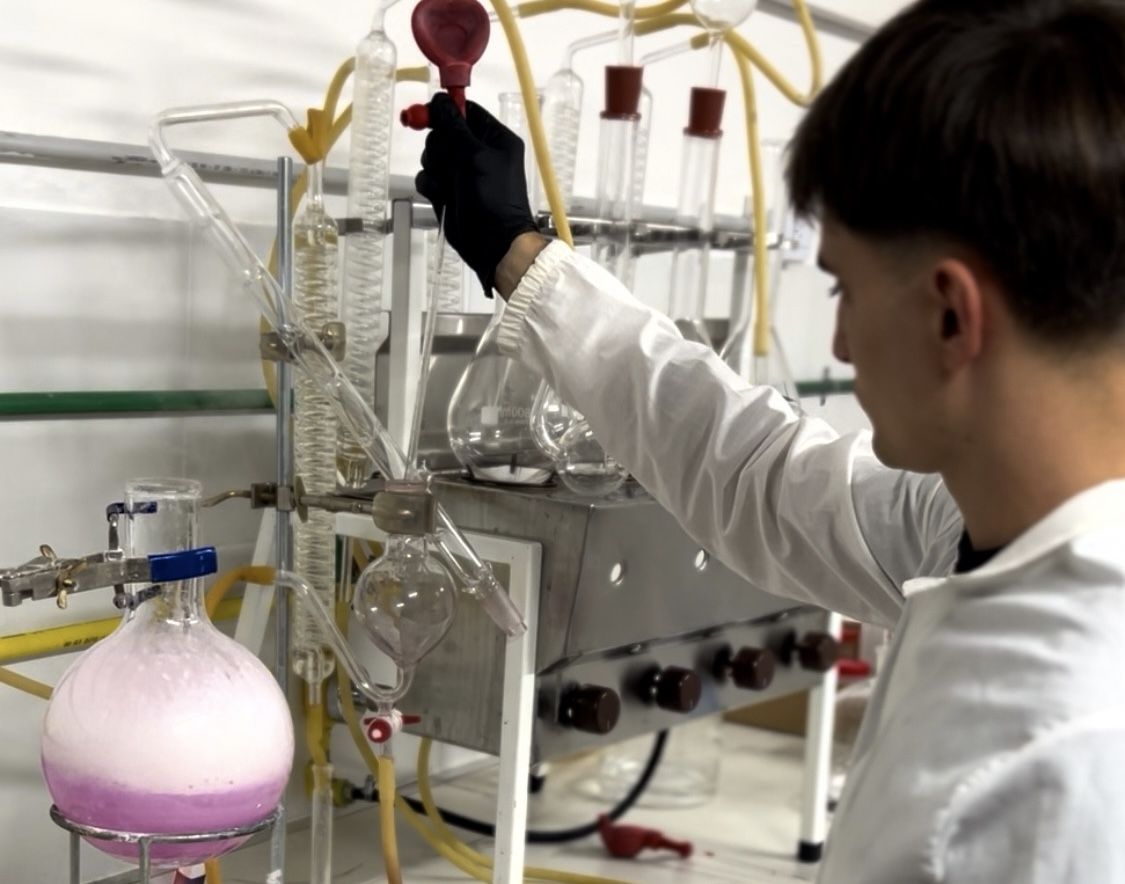
Given the deregulation in the sector, due to which the National Institute of Viticulture (INV) stopped supervising the intermediate stages of the production process to concentrate only on the control of the final product, González Riachi created “Ciencia del Vino”, a traveling mycobiological laboratory, which allows yeast analysis to be carried out in each winery during the fermentation process.
Microbial contamination in wineries
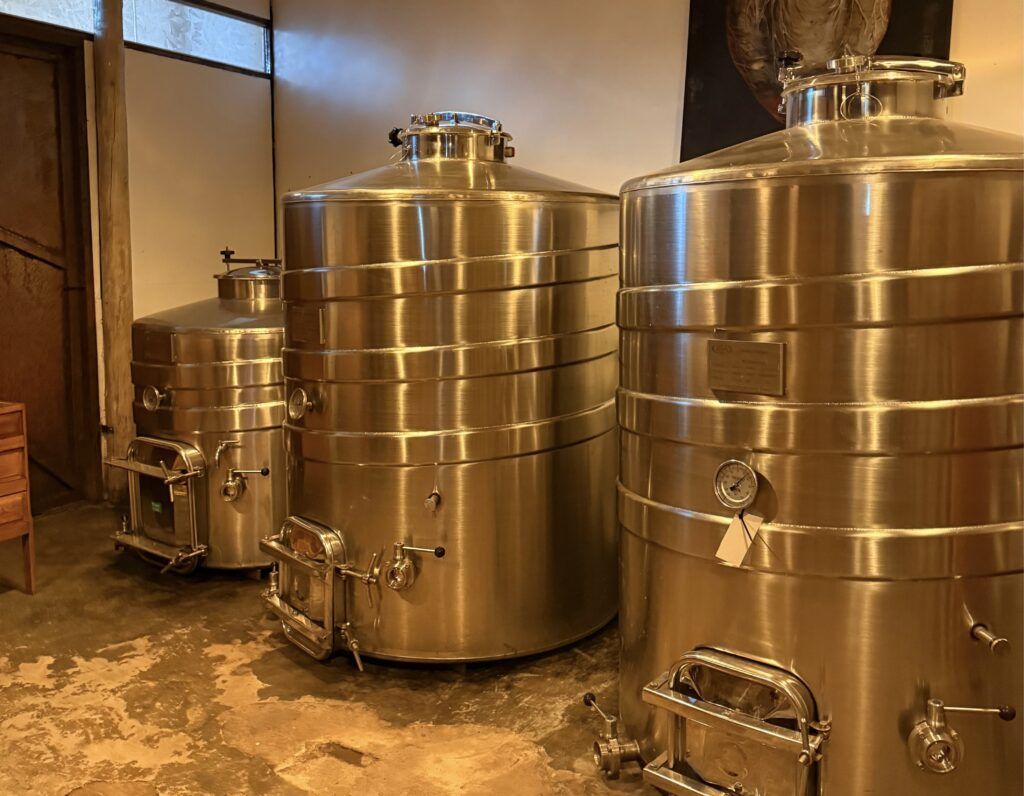
The causes of microbial contamination in the winery can originate from deficiencies in cleaning and disinfection added to insufficient stabilization of the wines during aging, prior to fractionation, along with other intrinsic factors of each wine.
“Our approach is preventive – comments the microbiologist specialized in oenology – since it allows us to detect in real time the stops or detentions of fermentation and microbial contamination, preventing a tank or an entire harvest from being spoiled.”
This approach allows you to make informed decisions instantly, correcting deviations before they alter the flavor, aroma or composition of the wine itself, turning it into vinegar. “Beyond prevention, microbiology opens the door to differentiation. By isolating and using native yeasts, specific to each vineyard, wineries can reinforce the identity of their wines,” says González Riachi.
The role of native yeasts
Wine production is, fundamentally, a microbiological process. Yeasts transform sugar into alcohol during alcoholic fermentation, while lactic bacteria soften the acidity in malolactic fermentation. These microorganisms, invisible to the human eye but omnipresent at every stage of the process, are the true architects of the quality, aroma, stability and unique character of each wine.
“Native yeasts are the result of a fascinating process of natural selection. Each vineyard and winery houses its own unique microbial community, a kind of invisible ‘fingerprint’ shaped by factors such as climate, soil composition, grape varieties grown, agricultural practices, winemaking methods and the history of the place itself,” explains the founder of Ciencia del Vino.
Science, deregulation and crisis
In Argentina, the wine industry supports more than 113,000 direct jobs and positions the country as the fifth largest wine producer in the world. However, the sector faces a deep crisis due to the fall in consumption, increased costs, deregulation, overstock and lower prices.
According to data from the Argentine Wine Corporation, in the 70s 90 liters of wine per year per inhabitant were drunk, and today it barely reaches 16 liters per year per inhabitant. Various factors explain this fall – which also affects the world market – including the rise of other alcoholic beverages.
Added to this is that grape prices have not been updated since 2024, while harvesting and transportation costs increased more than 100%. On the other hand, market deregulation has left small and medium-sized producers at a disadvantage compared to large price makers, and the water crisis threatens the viability of vineyards.
Given this panorama, applying microbiological science in wineries avoids greater losses and opens the possibility of improving quality and achieving a unique identity for Argentine wines.