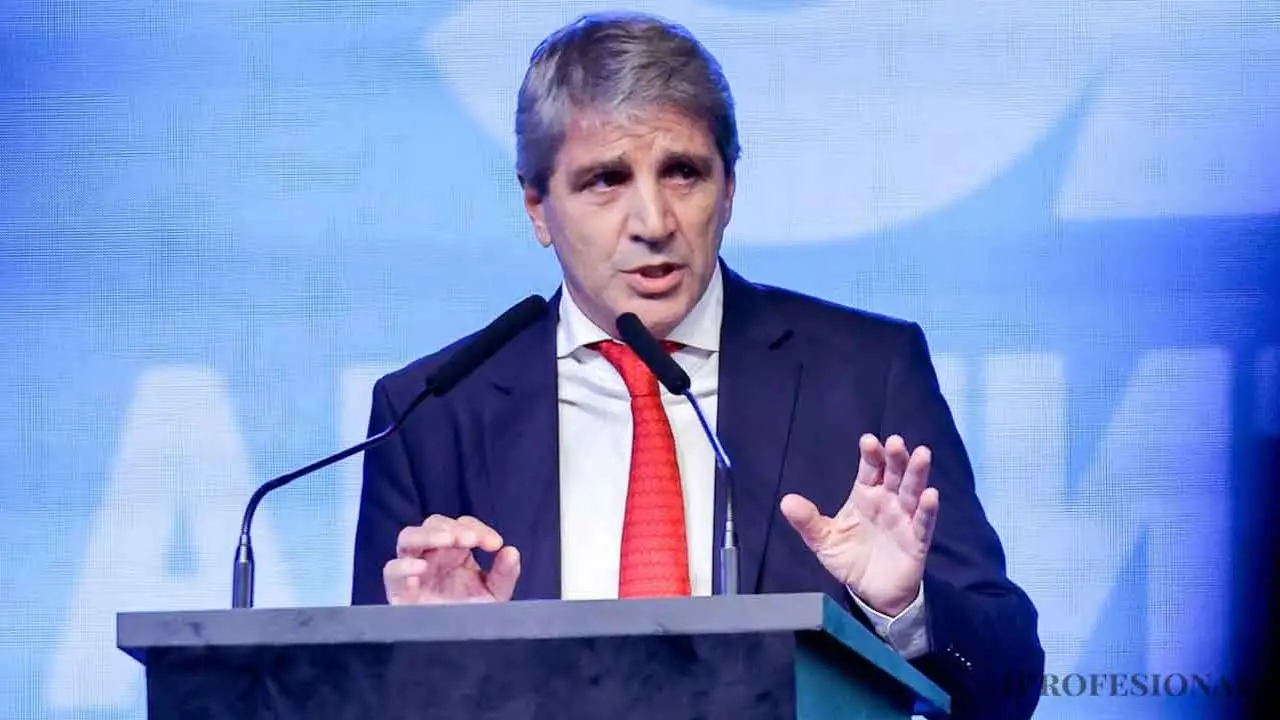
The Minister of Economy, Luis Caputo, participated in the closing of the Atlantic Councilwhere he defended the Government’s economic course and reviewed the reforms underway aimed at reducing the so-called “Argentine cost“, in a speech with questions towards those who promote a devaluation as a way to gain competitiveness.
During his presentation at the Palacio Libertad, the head of the Palacio de Hacienda stated: “Believing that the majority of people can vote to return to hell is something crazy. We arrived with the mission of generating profound change and that generates resistance. Today we are seeing the resistance of a sector of journalism that is trying to establish a situation that has little to do with reality.“.
Caputo spoke about labor reform and mattress dollars
In relation to economic policy, he assured that the Government is moving forward with the regulation of the labor reform, despite the judicial precautionary measure that stopped 83 articles, including the Labor Assistance Fund (FAL). “What we are looking for is greater formalization. That will imply greater collection, which will allow us to continue lowering taxes. We also mandate the Tax Innocence law. We seek to develop the capital market in Argentina at the service of the real economy “he explained.
According to the minister, both the labor reform and the scheme that seeks to encourage The use of dollars outside the financial system is key to reactivating activity. However, the first front faces judicial obstacles – which the Government plans to appeal – and the second has not yet shown a significant impact on foreign currency deposits.
In terms of infrastructure, he anticipated concrete progress in the coming months. “Additionally, we are working with Federico’s (Sturzenegger) team to concession 12,000 more kilometers of national routes. And we are also transferring provincial routes to the provinces, many of them with financing. Phenomenal changes are going to be seen in the Argentine road structure in the next two years“, he said, after pointing out that by June 9,000 kilometers of road corridors will be tendered.
Caputo once again rejected the devaluation proposals and proposed that competitiveness must be achieved through another means. “That for us is lowering the Argentine cost. Attacking the Argentine cost is attacking the tax issue, lowering taxes and regulationsand improve logistics. That’s the way to lower it. In the past, Argentina always avoided the root of the problem“he stated.
“The path of change is inexorable, it is here to stay”
Along these lines, he stressed that the Government will maintain this course without changes: “That is going to be the way to lower the famous Argentine cost. The path of change is inexorable: it is here to stay. There is no going back. There is no way for us to correct course. “It doesn’t matter what the press or the opposition says.”
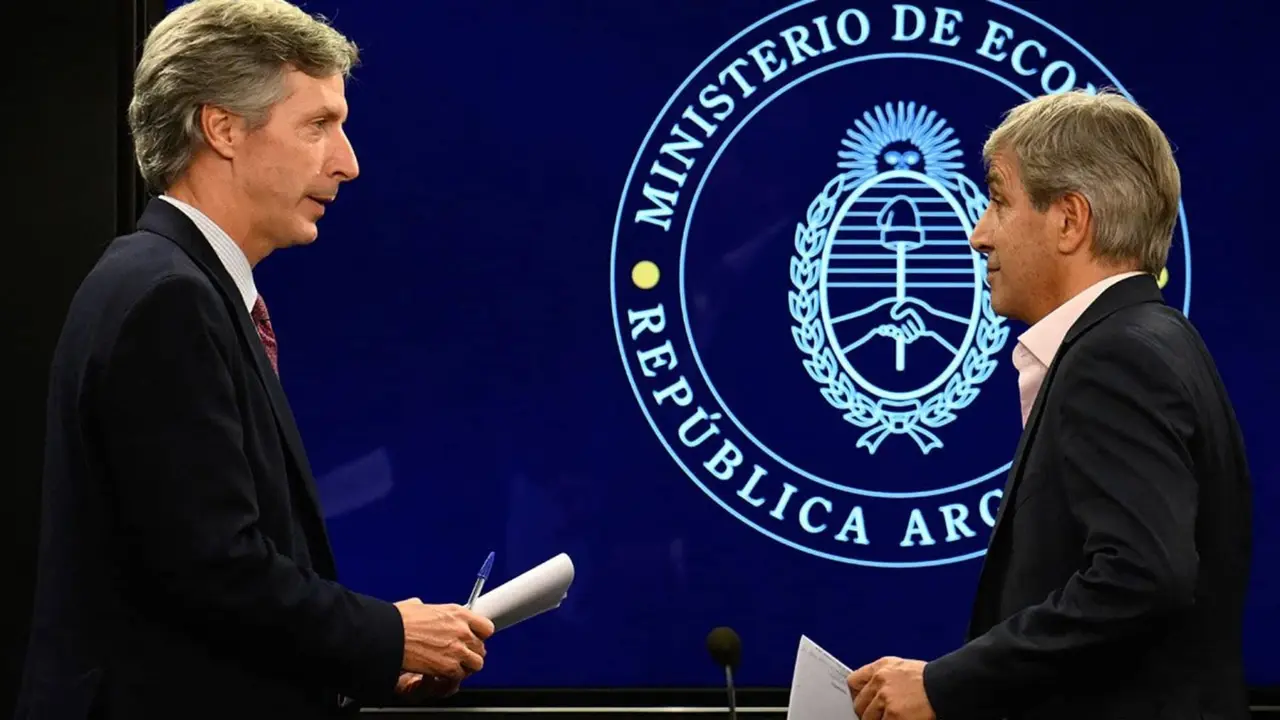
Officials such as the vice minister also participated in the event. Jose Luis Dazathe Secretary of Finance Federico Furiase, the director of the Central Bank of the Argentine Republic Martín Vauthier and Felipe Núñezfrom the Investment and Foreign Trade Bank.
In the last hours, Caputo also supported Furiase and Núñez for having taken out mortgage loans at Banco Nación Argentina. “They took them on my recommendation. I suggest everyone access mortgage loans because I consider it a unique opportunity. Firstly, because it benefits the country: the development of mortgage credit has been a fundamental engine of reactivation, even the most important,” he said in an interview.
On the other hand, it was confirmed that the minister will travel to Washington DC to participate in the spring meetings of the International Monetary Fund and the World Bank, which will take place between April 13 and 18.
The visit comes after an IMF mission was in Buenos Aires at the beginning of February, within the framework of the second review of the current agreement. Subsequently, Daza led a delegation to the United States to continue negotiations at a technical level.
Now, the focus is on the organization trying a new program for Argentina after those meetings. If finalized, the details linked to the BCRA’s reserve accumulation goals and the possible demands that the agreement on the economic program could include will be known.