The President of Mexico, Claudia Sheinbaum Pardo, ordered the Secretariat of Infrastructure, Communications and Transportation (SICT) and the Secretariat of National Defense (Sedena) to prepare an exhaustive technical opinion to evaluate the integrity of the piles in Section 5 of the Mayan Train after reports of instability in karst soil.
You may also be interested in: Ricardo Salinas Pliego promotes the use of foreign lines to protect privacy
Structural damage assessment in the Mayan jungle pile system
The presidential instruction arises as an immediate response to complaints from environmental groups that documented alleged collapses in the columns that support the railway between Cancun and Tulum. The technical analysis will be under the direct supervision of the head of the SICT, Jesús Esteva, whose specialty in structures will be key to determining whether drilling in cenotes and caverns present critical support failures.
Although the current institutional narrative maintains that there are no operational problems identified in the railway project, the opening of a particular review file seeks to confront the visual evidence disseminated by civil groups. This transparency measure occurs after the controversy over the request to eliminate video material where preventive shoring work was observed in the structures of Section 5.
Complaints about the fragility of the karst soil and construction failures
The Sélvame del Tren collective, through spokespersons such as the environmentalist José Urbina, maintains that the columns installed at great depth present damages derived from the geological fragility of the terrain. The “repair” process detected by Army personnel suggests a progressive collapse that compromises the verticality and resistance of the supports.
- Evidence from 2024: Constant warnings about the impact on underground rivers and the vulnerability of the concrete slab.
- Route modification: The original route was altered to enter the jungle, increasing contact with cave systems.
- Reinforcement work: Presence of military crews carrying out concrete injections and additional shoring in critical areas.
Demands for transparency and citizen security in the Legislative Branch
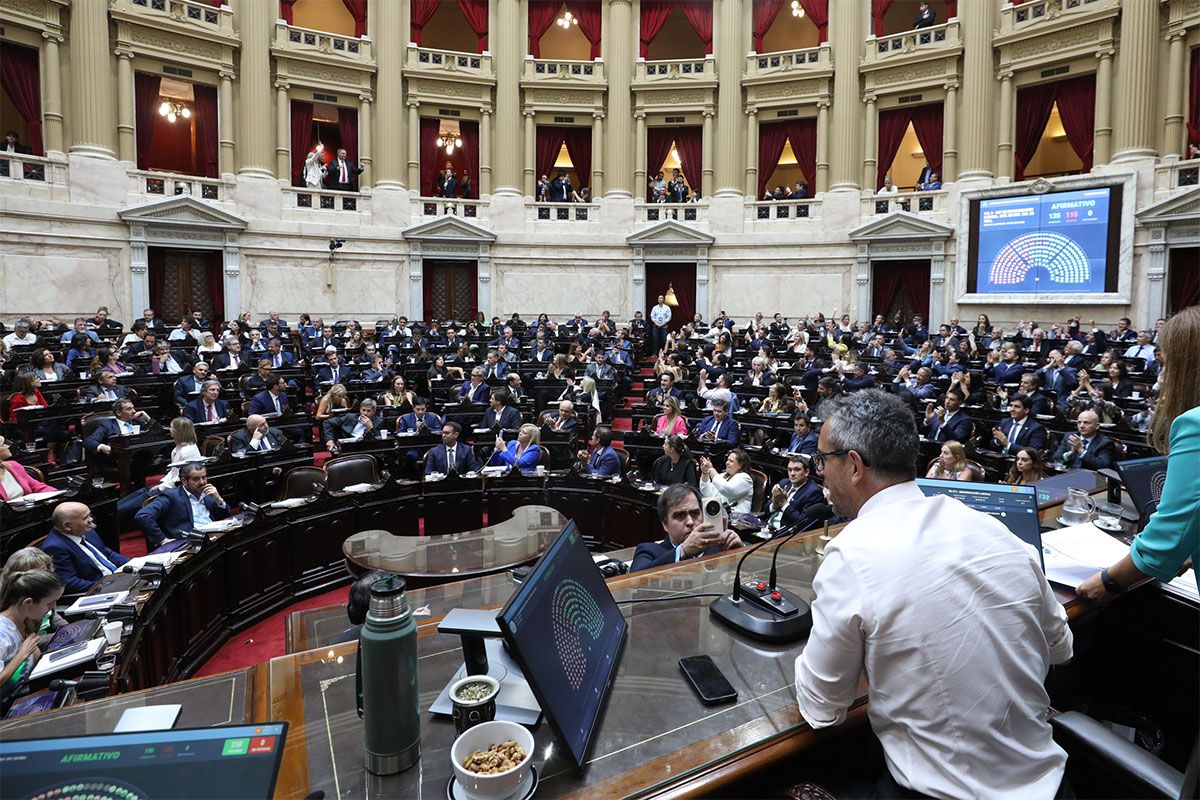
From the Chamber of Deputies, the parliamentary representation has increased the pressure to guarantee the structural stability of the Mayan Train, linking the current situation with previous incidents in other railway systems. The President of the Board of Directors, Kenia López Rabadán, emphasized that transparency about the viability and safety of the work is an essential requirement to safeguard the lives of users.
The urgency of the technical opinion is based on the need to prevent tragedies similar to those that recently occurred on the Interoceanic Train, where a derailment resulted in the loss of 14 human lives. Technical rigor is presented as the only way to dismiss or confirm the risk scenarios that the population perceives when using this transport.
Comprehensive diagnosis of institutional operation and responsibility
Deputy Ernesto Sánchez has requested that the expert opinion not be limited exclusively to the piles of Section 5, but that it be extended to the entire railway network, including wagons, personnel training and access roads. The legislative position demands that the federal government assume responsibility for inherited deficiencies and cease any attempted cover-up of the actual conditions of the infrastructure.
The operation of the section under suspicion remains under surveillance, while critical sectors warn that public access to the results of the opinion is vital. Uncertainty about structural safety persists until engineering tests are provided that validate the resistance of the karst soil to the dynamic weight of moving convoys.