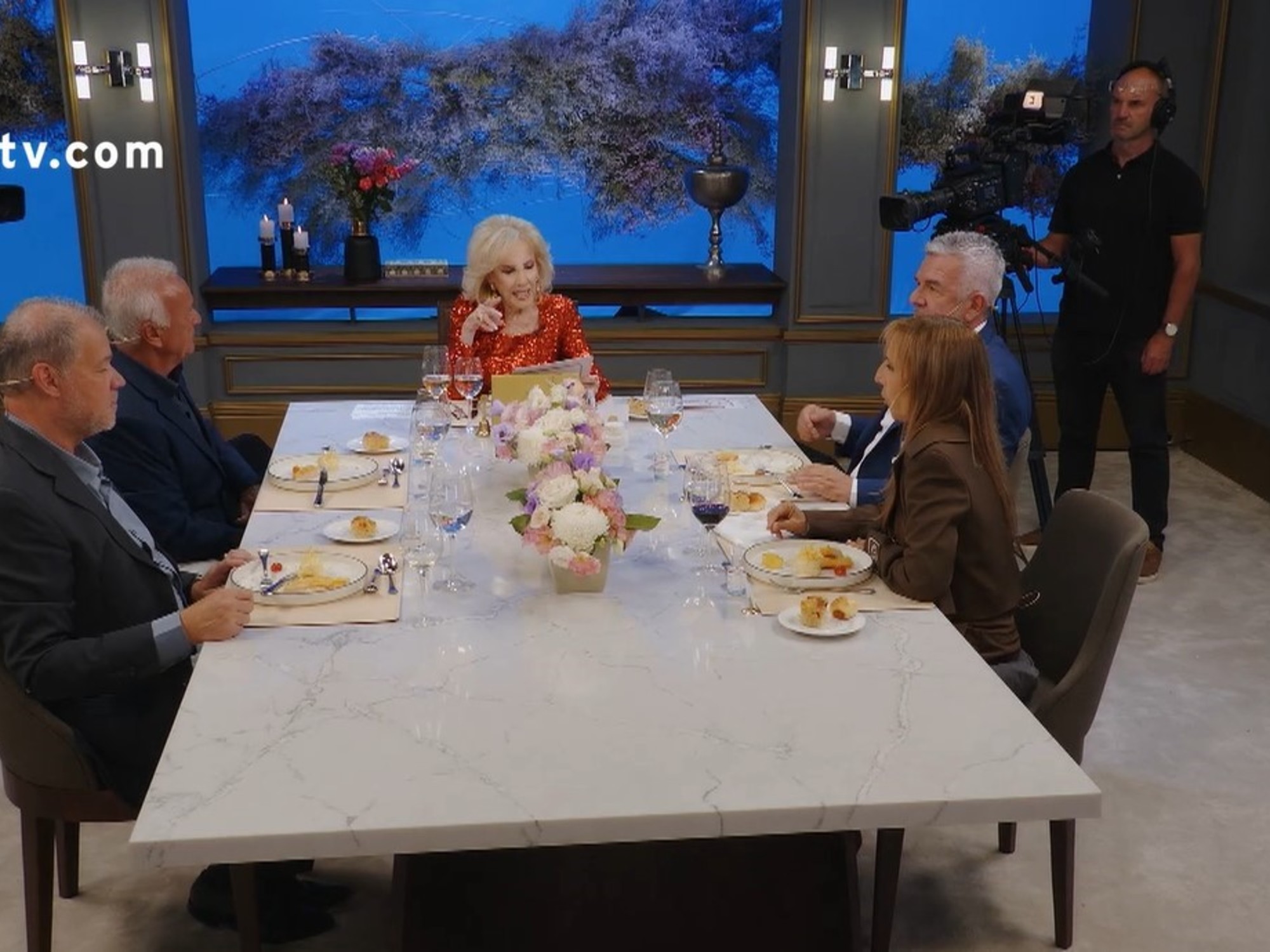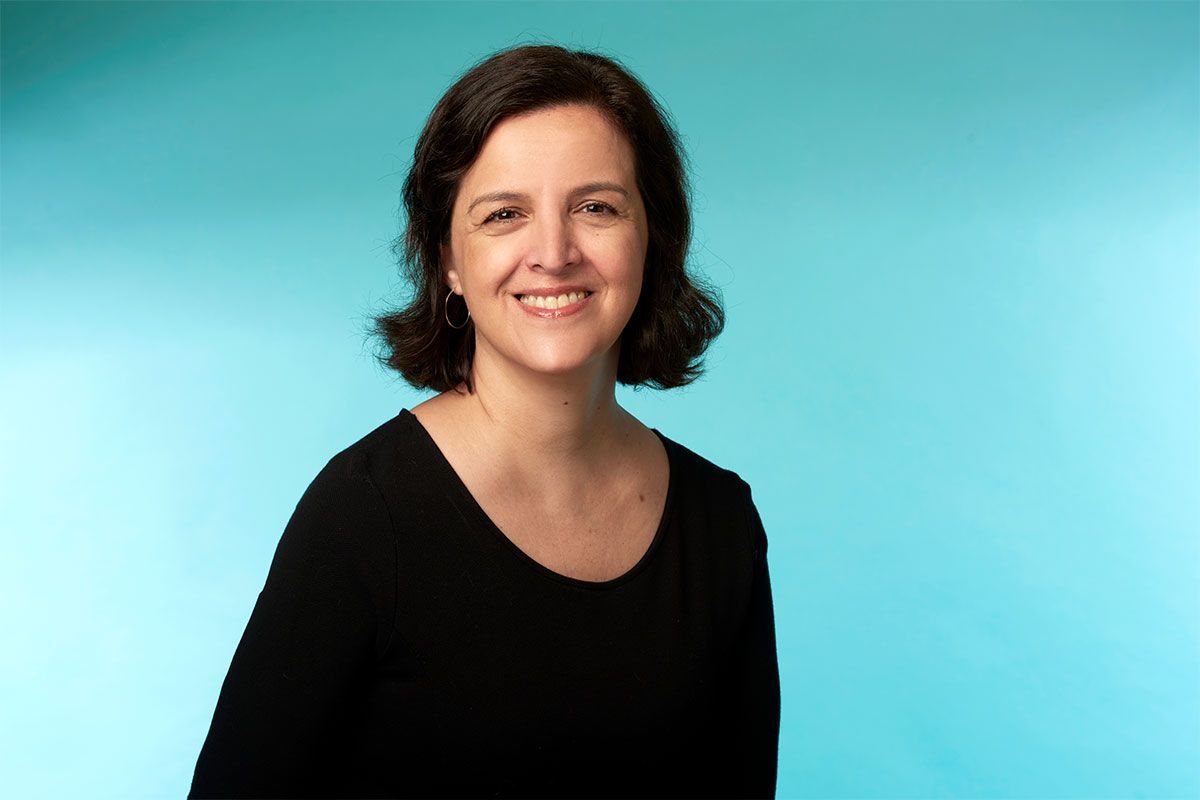
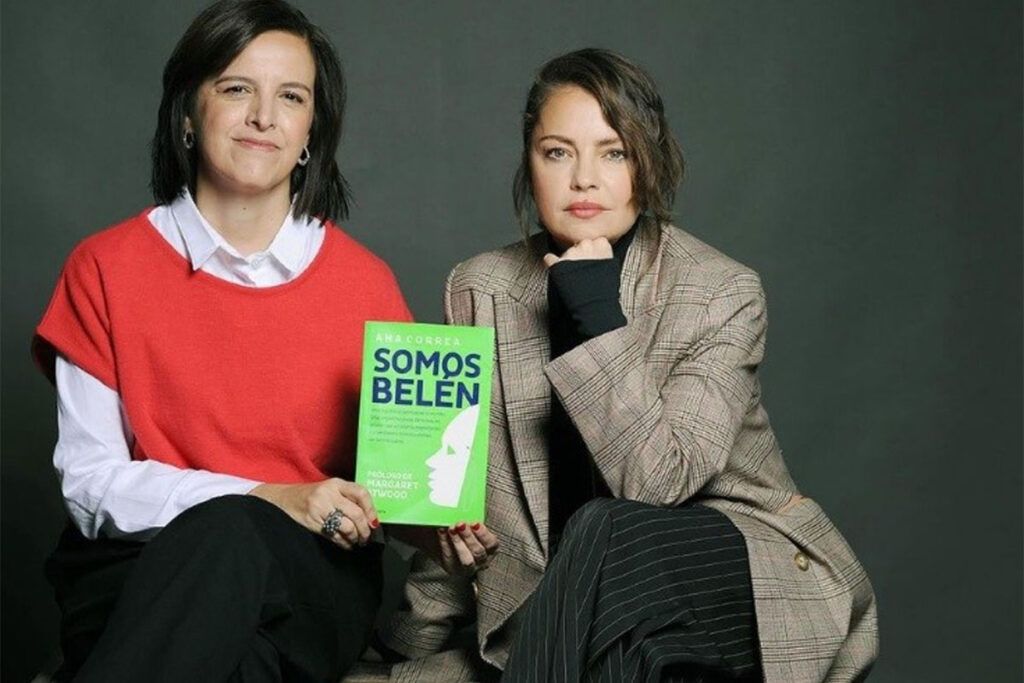
Ana Correa is one of the founders and promoters of the first Ni Una Menos. He also wrote the book We are Bethlehemon which the film’s script was based Nativity scenedirected by Dolores Fonzi. In recent years, Ana has been working intensely on digital violence and even created the OlivIA project a tool that detects gender biases.
In dialogue with Time She took stock of what 8M was like, and expresses that she feels surprised by the impact of Belén “it is a flame of optimism that shows what we are capable of doing.”
-What balance do you have of this 8M?
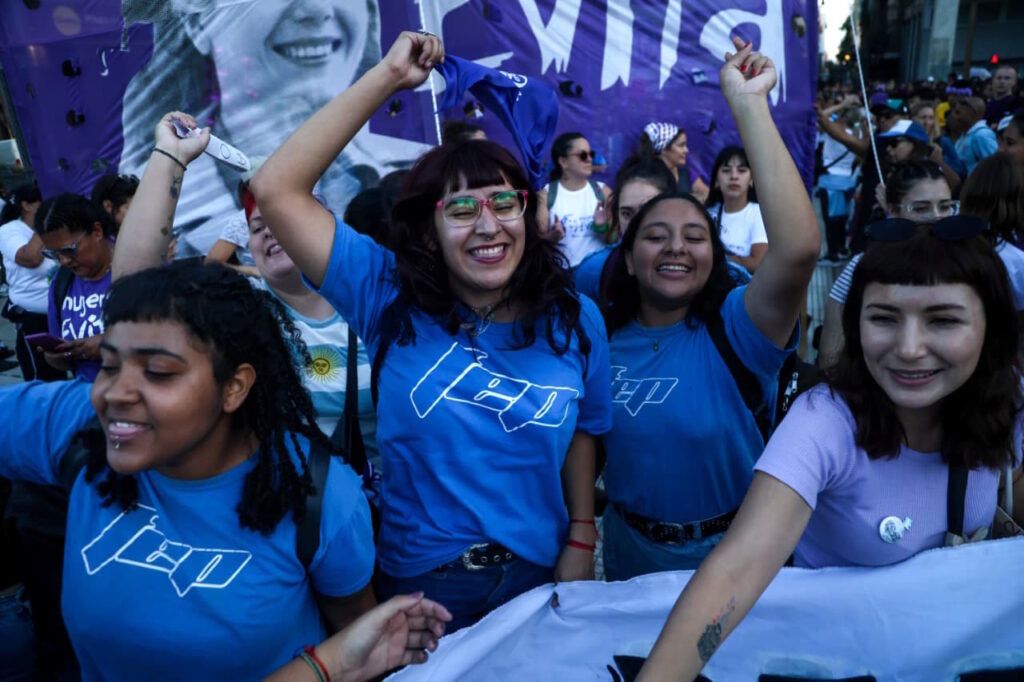
-I saw an impressive force, an impressive number of women and many, many, many young girls. That gave me a lot of hope, the enormous number of young girls who defend their rights as women, and claim them.
-What do you attribute this massiveness to?
-There is an enormous conviction that rights must be defended. And one could say that it went back a lot. However, there are things that cannot and cannot be reversed. It seems to me that the guarantee is that and that girls, above all, understand it today better than anyone. We must mobilize and we must be present so that progress against this does not continue. Although public policies were dismantled, there is a sign that “we are here”
-There was also a much more active participation by women and diverse union members, how did you see that?
–The strength of the women’s movement in Argentina is that everyone who wants to participate takes place. The one that can go through a union, student centers, secondary schools and universities, those that can go alone, those that can add up in their own way. When the first Ni Una Menos march was we took that into account because we live in a society with many demands, so, even if she does not have an organization, every woman who defends her women’s rights has to have a place to participate and express herself. That continues to be our strength. Specifically regarding unionism, I highly value the participation of women in unions at a time when the leaders of the unions are negotiating with the government. It’s much harder for any woman right now to keep up the fight.
-What moment is feminism going through today?
-For those who truly defend women’s rights, feminism never stopped being important. Those who stopped supporting feminism are because they were not interested in women’s rights. History has cycles and this is going to matter again. And we are going to remember who left, because it is important to know with whom to build political alliances.
On March 8, the government broadcast a video directly against women, attacking them, spreading fake news. Many far-right sectors in the world created a discourse to convey that the ills of society are the fault of feminism and the migrant rights agenda. What I felt this year with this video is that no one takes it seriously anymore. Because it was one thing to accuse feminism (all parties did it) that it is lost because of feminism or there is no food or work because of feminism. But then we saw that those who lost and blamed feminism continued to lose. They removed all gender policies and the economic situation is getting worse. Then the lie of blaming a rights agenda for political problems begins to become evident. The problems of politics and management are precisely not understanding politics or management.. Feminism was also an enemy to be marked due to the capacity for mobilization that this 8M was seen again.
-One of the great concerns for feminisms is the growth of violence. You have been working on digital violence. What is the situation like?
-We were all excited that the Internet was going to facilitate the participation of women in discussions, in public debates not only in Argentina, but in the world. We lived our democratic spring of participation from 2012 to 2020. Then came the pandemic, then came the backlash. And today no one can have any doubt about the disproportionate impact of digital violence on women and how women with a public voice withdrew or measured their participation in the networks. And we cannot deny that the boost to digital misogyny that the acquisition of Twitter gave to Elon Musk nor that we have a government that has already begun to use generative artificial intelligence against female politicians and journalists, as was the case of Julia Mengolini. We have abundant data from all over the world on how it is affecting women’s participation, and therefore how it harms and erodes democracies. It’s time to do something. And that something is to raise awareness directly on the platforms and join this fight that is already taking place in artificial intelligence.
–What difficulties does it have to think about this violence in a context in which there is concern about eating, paying rent, caring, and all that seems separated from the virtual?
-We have to solve many issues at the same time. Because we cannot leave aside the digital presence. This is where politics and also the future of work is being defined. In other words, if we do not participate, if we do not have voices in this, the first ones excluded from all the modifications are women. What is happening with artificial intelligence, by not actively participating in all instances, has biases that impact women’s work that impact violence against women. The deepfakes They arise from artificial intelligence and more than 90% affect women. So those are the discussions and fights that we have to have at the same time.
-Does this digital violence get worse when it comes to sexual diversity?
-All this discourse discourages diversities and LGBT people. Sometimes it is difficult to transmit, but we must understand that what happens on social networks has a continuation in the physical space and that LGBT people are experiencing this very closely, with the attacks they are receiving. It is absolutely proven that this is the case and organizations and activisms have been denouncing this situation.
-Do you think feminism has to “fall in love again”?
-I don’t agree with that idea. You have to see the cost that feminist leaders paid with all the attacks. The journalists who dealt with gender issues were the majority displaced from their media and those of us who are on social networks have received a lot of threats. Many left. So I don’t know if I really agree that feminism “has to”. We have to rebuild ourselves as a society. Because if not, it is once again blaming feminism. And I think it is the other way around, that those who at some point showed themselves as allies reflect on what is happening with gender violence. They continue to kill women, they continue to kill diversities and it is increasingly difficult to report them. It was very brutal to ignore and remove all mechanisms that could prevent gender violence. Suddenly no one is moved when a woman is killed.
Bethlehem, a breath of hope
“I was very pleasantly surprised by the repercussions of the film. It is like an immense joy to see the response it had,” says Ana Correa, the author of the book Somos Belén. “There were many groups and organizations that requested the film to present it. I think that if they choose to show it as a sign of strength and optimism.”
“Many people thank you. And the truth is that it is wonderful that this film could have been made at this time, to also keep the story alive. It is a film made mostly directed by women, but not only in the direction, but also the production. It is based on a book that I wrote but a lot of people from Tucumán participated. If it serves to maintain a flame of optimism for what we are capable of doing, I think it is an enormous achievement.”