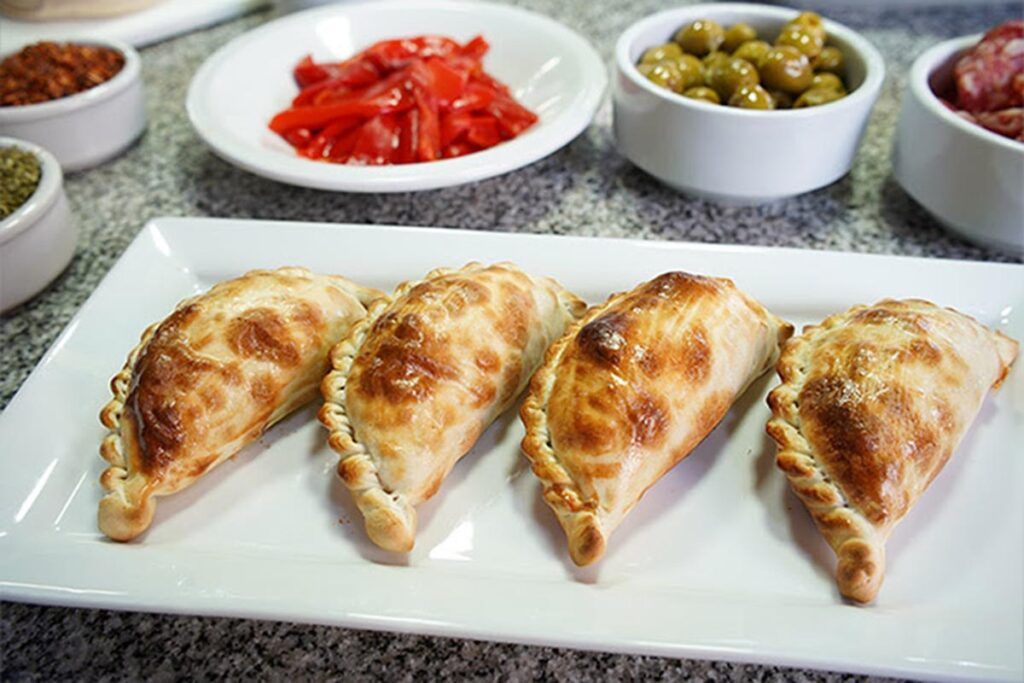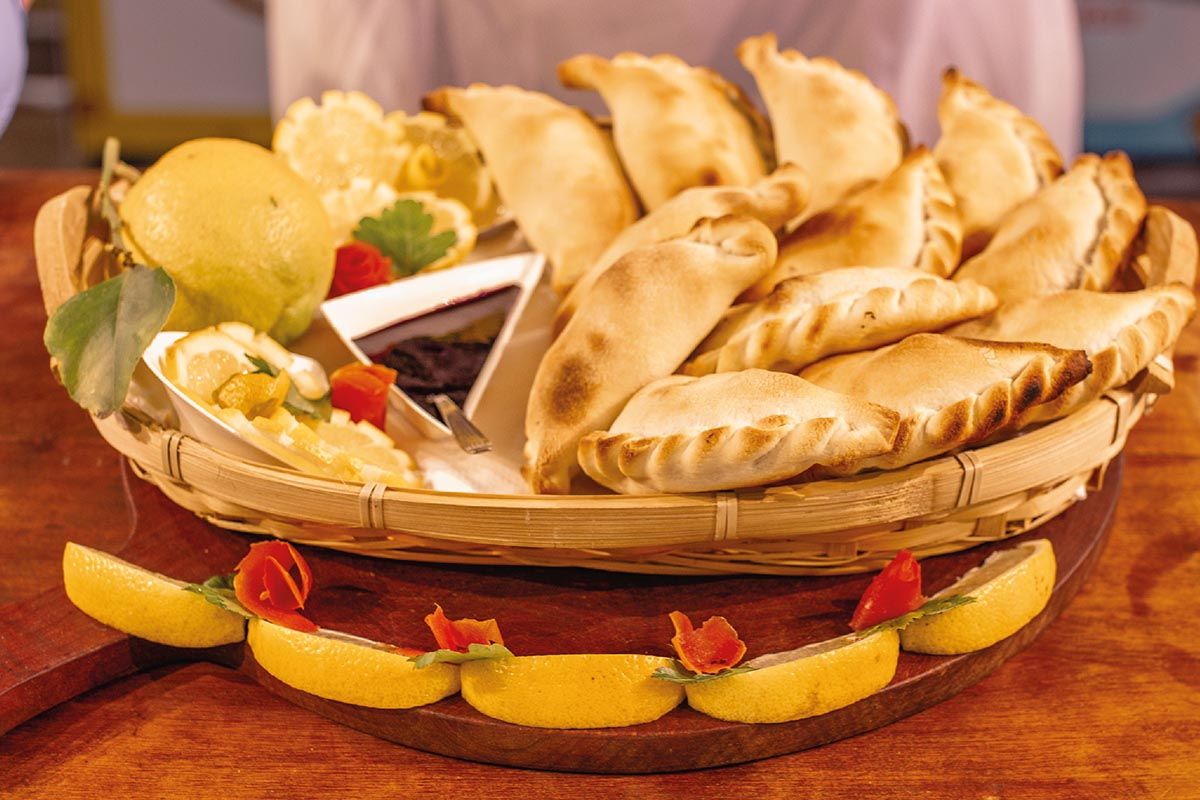
The pie It has its own celebration every April 8. Emblem of national gastronomy with empanada champions in the northern provinces, it is the food that accompanies meetings, unites generations, regions and customs. In addition, it has a daily consumption record, a data that is updated each time the celebration is repeated.
According to the Association of Pizzerias and Empanada Houses of the Argentine Republic (APYCE)in our country they are consumed around 10 million empanadas per day. Far from being an exaggerated figure, it arises from a study carried out by the Ministry of Agriculture, Livestock and Fisheries, which analyzed the sale of tapas at an industrial level.
The result shows that each Argentine uses an average of about 50 tapas a year. If we add to that the home production, the own preparation of pizzerias and empanada houses, the number escalates to shocking figures.
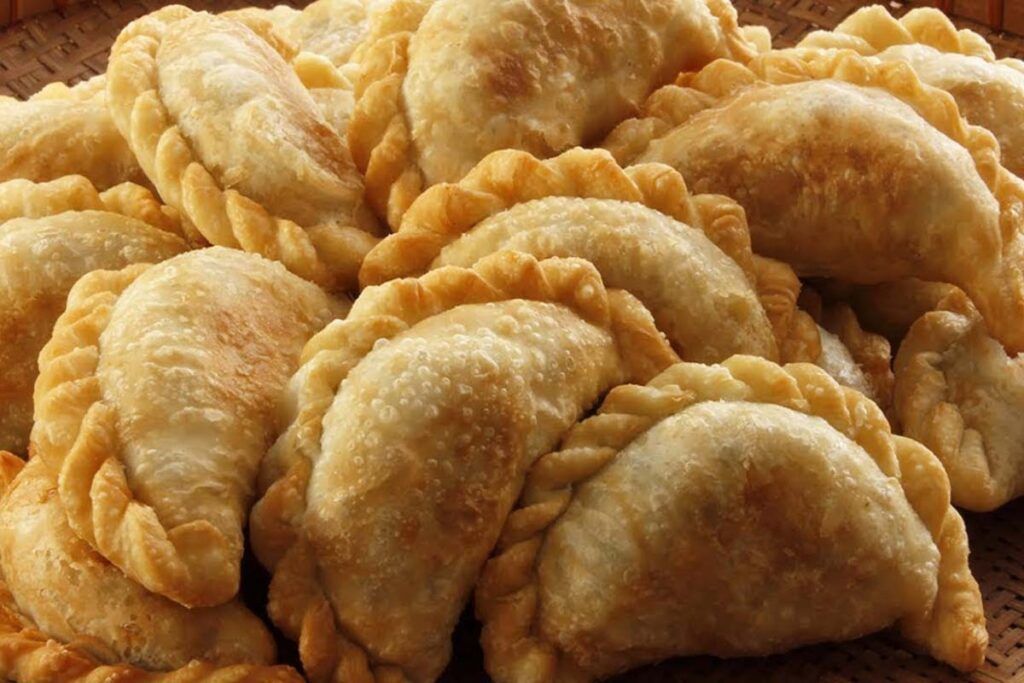
But the phenomenon transcends borders. APYCE highlights that the empanada is positioned among the five most consumed foods in Argentinaoccupying third place. Even delivery platforms place it as the second most requested dish, only behind pizza.
The ranking of the favorites
Furthermore, APYCE has its choices well marked. The empanadas “soft meat” are crowned first place on the podium with a 20% preference, followed closely by those of “ham and cheese” in second place with 19% (a minimal difference).
In third place are the “chicken” empanadas. with 11% of votes. And in fourth place are the “knife meat” empanadas with 10%, followed by “humita” empanadas with 7%, “vegetable” empanadas with 6% and “roquefort with ham”, “spicy meat” and “capresse” with 5% preference each. Finally, the “onion”, “pumpkin” and “cheese burger” empanadas were chosen by 4% of Argentines.
Beyond the percentages, the truth is that each province defends its style: the Tucumán, the Salta, the Santiago, each with its identity, its technique and its fanaticism.
The empanada in the world
International recognition also accompanies this phenomenon. The prestigious gastronomic guide Taste Atlas ranked the Tucumán empanada as the best in the world within its global ranking of varieties, highlighting it for its balance between tradition, technique and flavor. With a rating of 4.4 out of 5was positioned above styles from different countries, consolidating itself as one of the most representative preparations of Argentine gastronomy internationally.
The growth in consumption also impacts production. There are factories capable of making between 80,000 and 120,000 empanadas daily.thanks to the development of specific machinery: kneaders, laminators, lid cutters and automatic assembly machines.
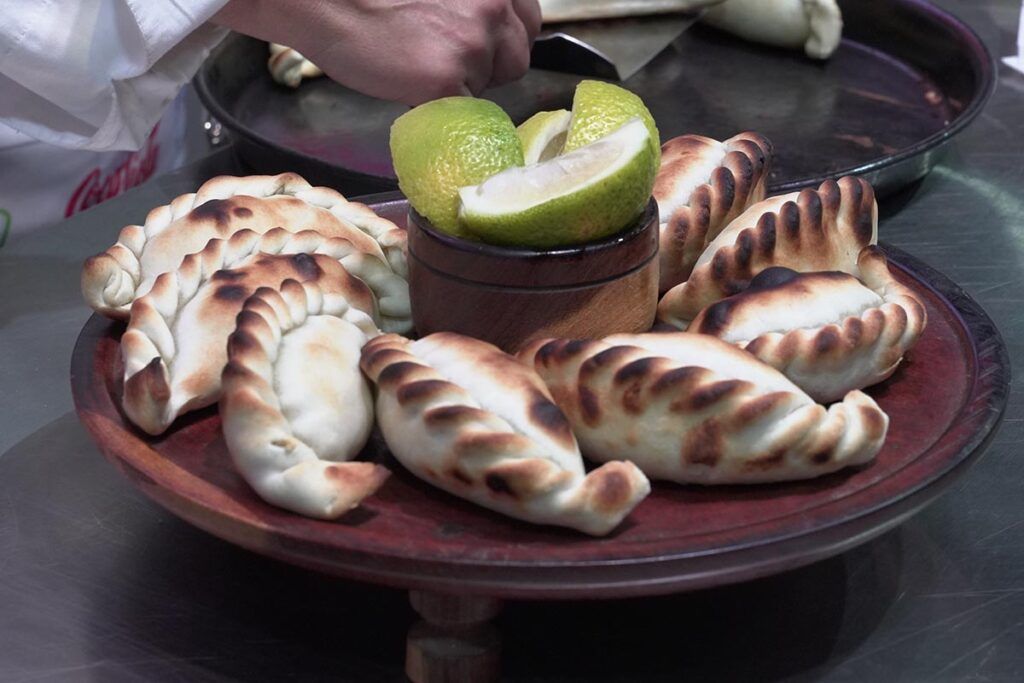
The production caters to vernacular empanada lovers and also international expansion. The Argentine empanada is present in cities in Spain, Portugal, Brazil, the Czech Republic, Denmark, Germany, New Zealand, the United Kingdom, the United States and France, among many other destinations, consolidating itself as a product that is booming globally. Just by searching for “Argentine empanadas” on digital platforms you can see that the phenomenon transcends borders and continues to grow.
a classic
Baked or fried, with perfect repulgue or homemade, There are as many ways to eat empanadas as there are tastes in the country.. And as popular wisdom says, there is an unwritten rule that many know: the juiciest ones are enjoyed with their legs open in case the filling decides to make itself noticed.
Within the framework of International Empanada Day, APYCE celebrates a history that combines tradition, identity and global projection. Born from recipes handed down from generation to generation and enriched by regional diversity, The empanada established itself as one of the great emblems of Argentine gastronomic culture and an expression capable of transcending borders and connecting cultures.
From APYCE they point out that they are dedicated to protecting and promoting this culinary heritage “to prioritize quality, professionalize the sector and enhance its recognition in the world.” Thus, the Argentine empanada not only expands, but is projected as a distinctive product, with its own identity, within the global gastronomic scene.