Social communicator and journalist from the Santo Tomás University of Bogotá, Colombia. He worked in the media of the Casa Editorial el Tiempo, RCN channel and the institutional channel Signal Colombia. Partner of FOPEA, since 2013 he has been part of the La Nueva Group.
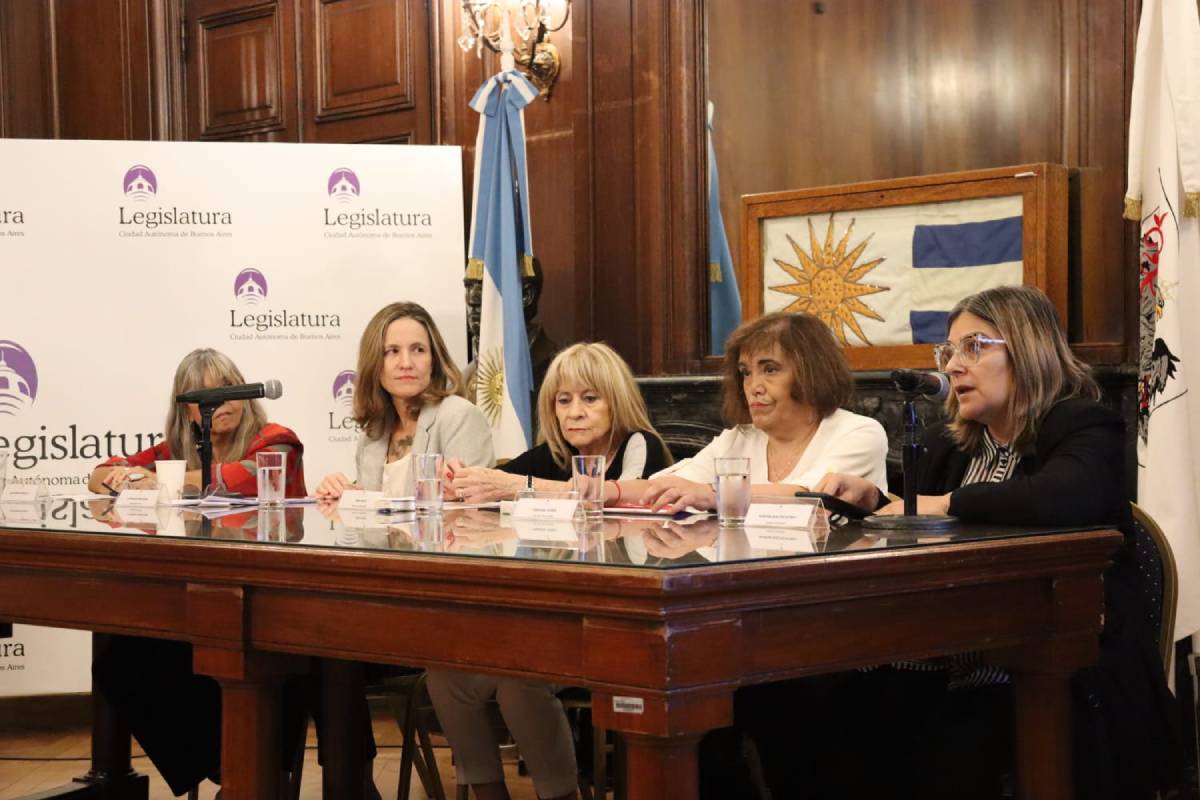
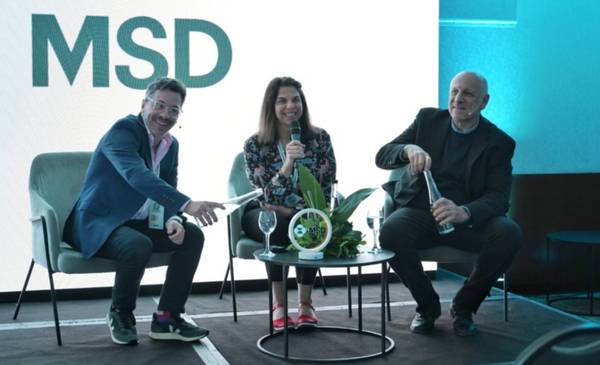
I was invited to the Health Journalism Seminar in Buenos Aires, where experts from various fields debated advances and challenges of health in the digital age. The meeting explored how technology and accessible information impact quality of life, longevity, the pharmaceutical industry and healthcare options. These advances open up immense opportunities, but generate communication dilemmas in an environment where networks amplify voices without scientific support.
The head of the Health Informatics department of the Italian Hospital of Buenos Aires, Daniel Luna summarized the paradigmatic shift: “We are moving from biomedicine focused on the body and genes to digital health that integrates behavior, the environment and data in real time, with scientific evidence and a focus on people.” Technologies such as remote monitoring, telemedicine and artificial intelligence allow us to prevent and treat diseases with greater precision, promoting patient autonomy and efficiency in medical practice.
However, this digital landscape brings real challenges. Social platforms multiply both valuable knowledge and misinformation, which requires communication based on verifiable data. It is key to counter currents such as anti-vaccine movements or the opinions of influencers and doctors without evidential support, to guarantee clear messages that empower informed decisions in the population.
The seminar also highlighted the benefits: science and digitalization have extended life expectancy and optimized diagnoses, treatments and medications. The experts insisted on adopting a critical attitude towards health sources on networks, and on strengthening specialized journalism as a guarantor of precision in public messages.
Longevity and cancer
Increasing life expectancy drives the growth of chronic diseases, especially cancer. It is projected that by 2040 cases in people over 65 years of age will double. Gabriela Bugarinmedical director of Oncology at MSD Argentina, emphasized: “Advances in science and health allow us to reach previously unthinkable ages, but they also expose us more frequently to chronic diseases. In this context, prevention and early detection of cancer are increasingly important.”
Carlos Presmangerontologist, added: “Healthy longevity does not depend only on genetics, but on vital conditions such as access to drinking water, balanced diet, physical activity and solid social ties, which favor active aging and a better response to diseases.” Presman stressed the need for comprehensive approaches: “Each patient is unique; some at 80 years old enjoy excellent functionality, while others at 65 have comorbidities. Evaluating each case holistically is essential.”
Diego Kaenclinical oncologist, evaluated the Comprehensive Geriatric Evaluation: “In older people, treatment requires careful balance, since comorbidities such as hypertension, diabetes or heart failure limit options and complicate the risk-benefit balance.” In addition, he highlighted: “Good nutrition, adapted exercise, hydration and emotional support are as vital as therapy to increase quality of life. Modern oncology must integrate these elements for healthy aging.”
Vaccination and community health
Fernando Burgospediatrician member of the Scientific Department of the Vacunar Foundation, defended lifelong immunization: “Vaccination not only protects the individual, but also generates collective immunity, protecting those who cannot be vaccinated.” He warned about the drop in reinforcements on the national calendar, which ranges between 65% and 75%, and even below 50% in some doses. “Not vaccinating children and adolescents on time exposes the population to preventable diseases with serious or fatal consequences, and encourages antibiotic resistance,” he warned.
Dr. Virginia Verdaguer, director of medical affairs for MSD Cono Sur, added: “Vaccination, through a complex process, stimulates the immune system to produce antibodies and protect individuals and loved ones from preventable pathologies.”
Personalized vaccination by age, health and risks was emphasized, maintaining updated schedules in childhood, adulthood and those over 65 years of age.
Innovation and digital transformation
Daniel Lunahead of the Department of Health Informatics at the Italian Hospital, delved into digitalization: it integrates behavior, environment and data in real time with scientific evidence, focused on people. Key advances include remote monitoring, telemedicine, epigenetics and artificial intelligence for diagnostics and data management. Luna concluded: “The future doctor is not automated; the professional is indispensable. Technology accompanies, it does not replace.” He warned about challenges such as data interoperability and ethics that avoid bias and preserve trust.
The meeting reflected a clear agreement on the importance of prevention, updating strategies to face the new challenges of population aging and the promotion of medicine based on evidence, digitalization and innovation. The words of the experts reaffirmed the need to coordinate multidisciplinary efforts and sustain informed dialogue, both from health teams and from specialized journalism.