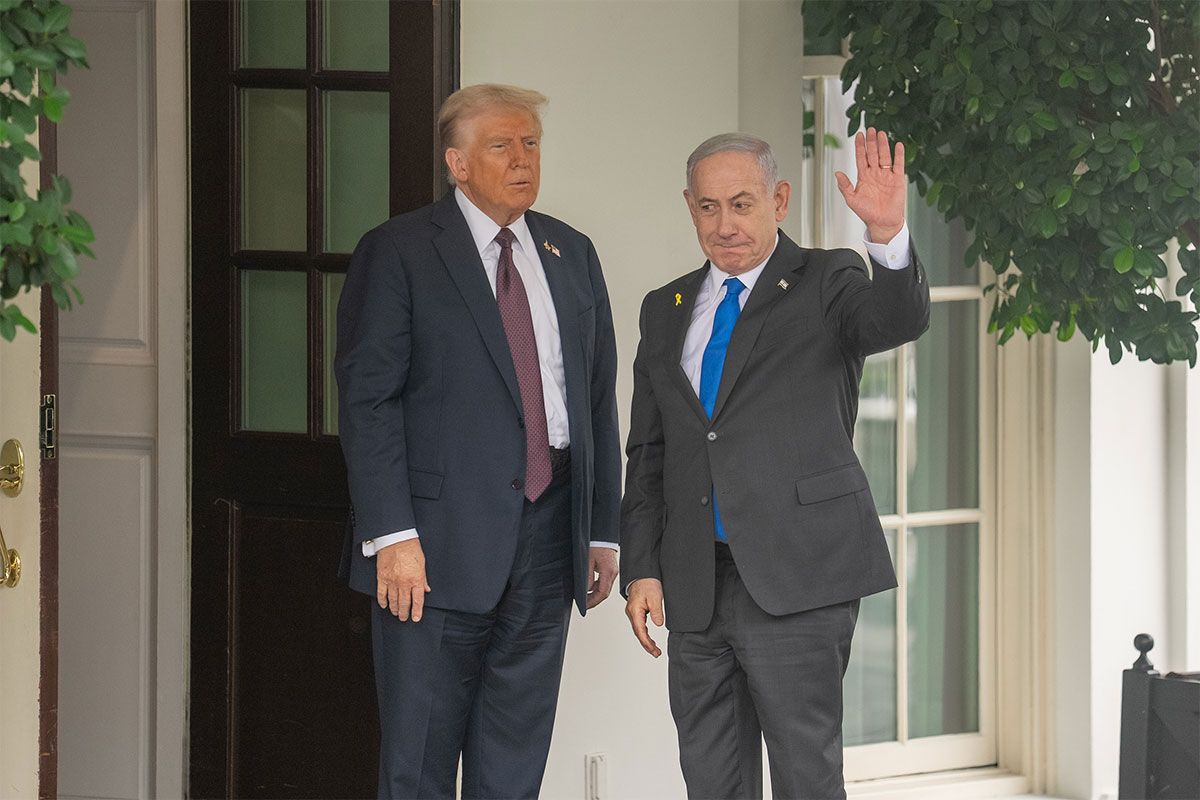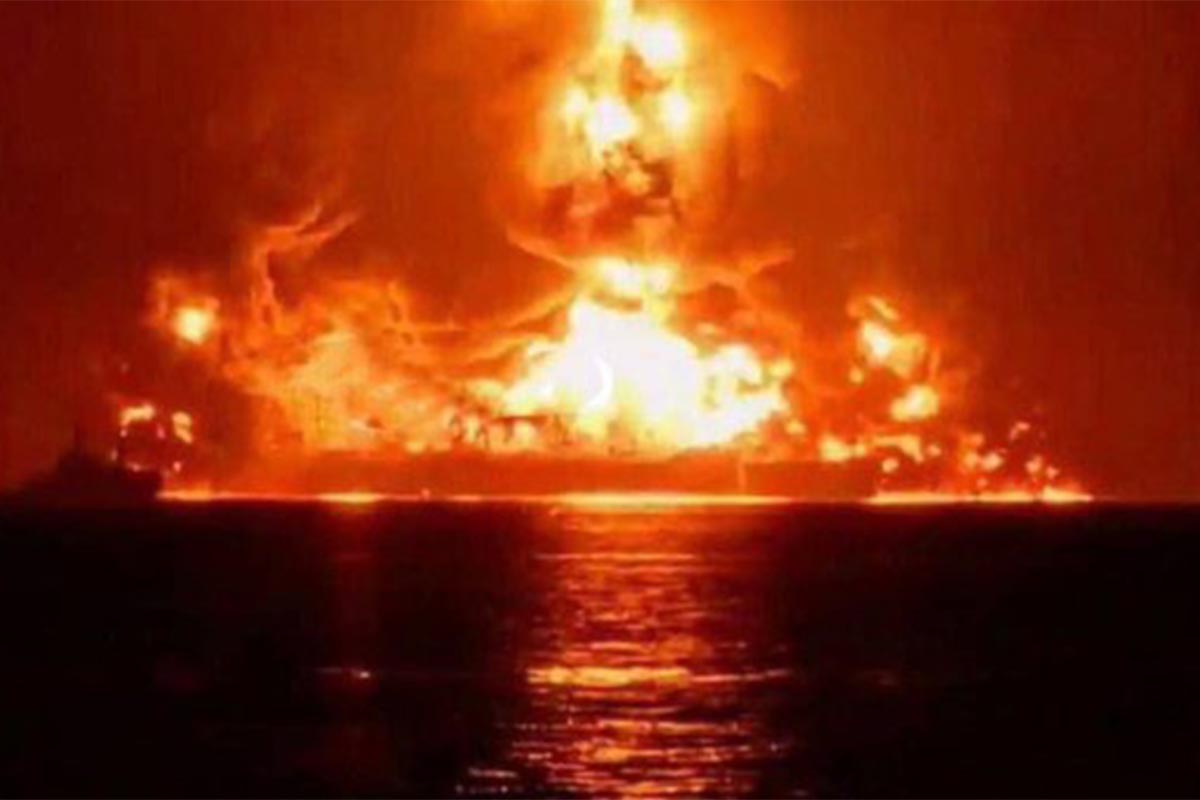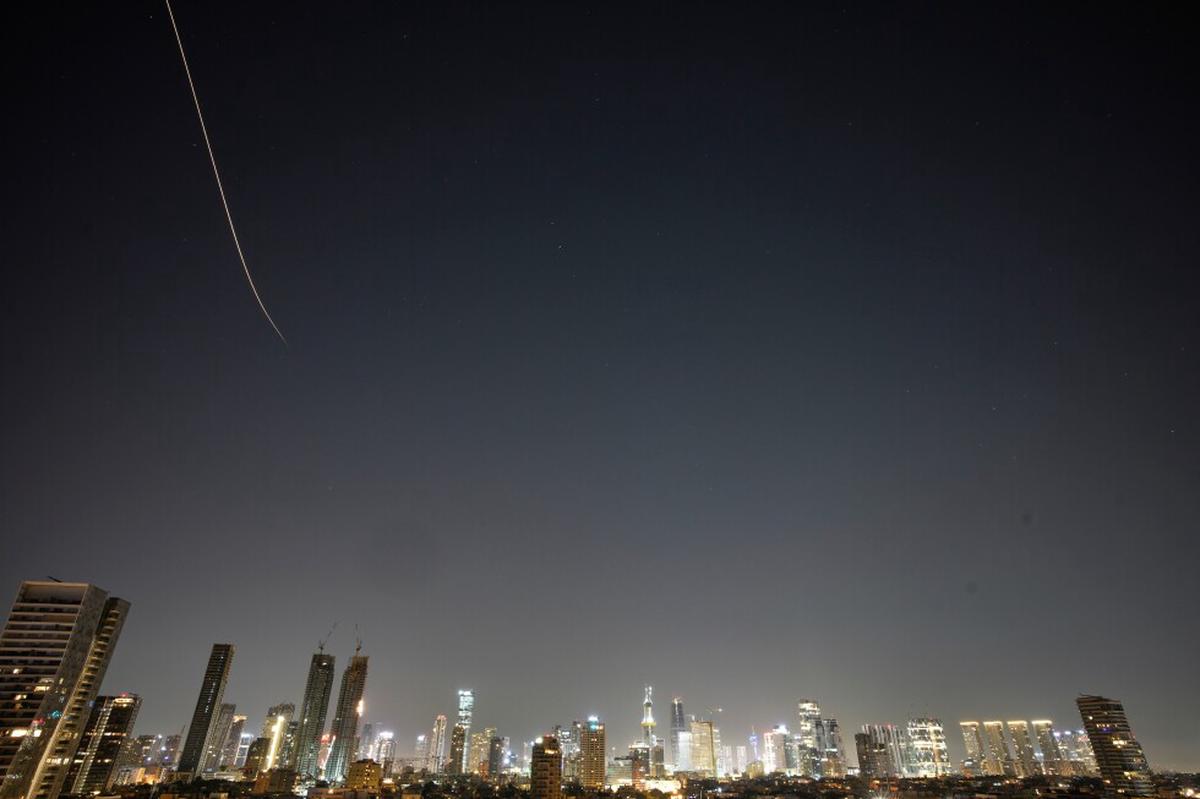
DUBAIUnited Arab Emirates — This Tuesday, Iran carried out an attack with missiles and drones aimed at Israel and Arab nations of the Gulf, while the president of USA, donald trumpclaimed that his government was in talks with the Islamic Republic to end the war.
Trump also extended a deadline for Iran to reopen the strategic Strait of Hormuz to shipping, warning that if they did not do so, their power plants would face aerial bombardment. This statement caused a temporary drop in oil prices and a rise in stocks.
The postponement provided a respite after an exchange of threats between the United States and Iran over the weekend, which warned of attacks that could leave millions without power in Iran and the Gulf, as well as hit desalination plants crucial to the water supply in several desert nations, raising fears of a potential catastrophe if nuclear facilities were attacked.
However, the information about the negotiations mentioned by Trump was denied by Iranwhose president of Parliament, Mohammad Bagher Qalibafstated on the social network X that no negotiations had taken place, accusing the United States of spreading false news to manipulate financial and oil markets.
For his part, the Israeli Prime Minister, Benjamin Netanyahuassured that Israel will continue its attacks against Iran and Lebanoneven as a ceasefire is being evaluated by the United States, warning that “there is more to come.”
In the midst of this escalation, Iran launched several waves of missiles against Israelwith reports of impacts in the north of the country, according to Israel’s Home Front Command. In response, Israel bombed the southern suburbs of Beirutpointing to infrastructure used by the group Hezbollahwhich has links with Iran. An attack on an apartment in the southeast of the Lebanese capital resulted in at least two deaths, according to Lebanon’s Health Ministry.
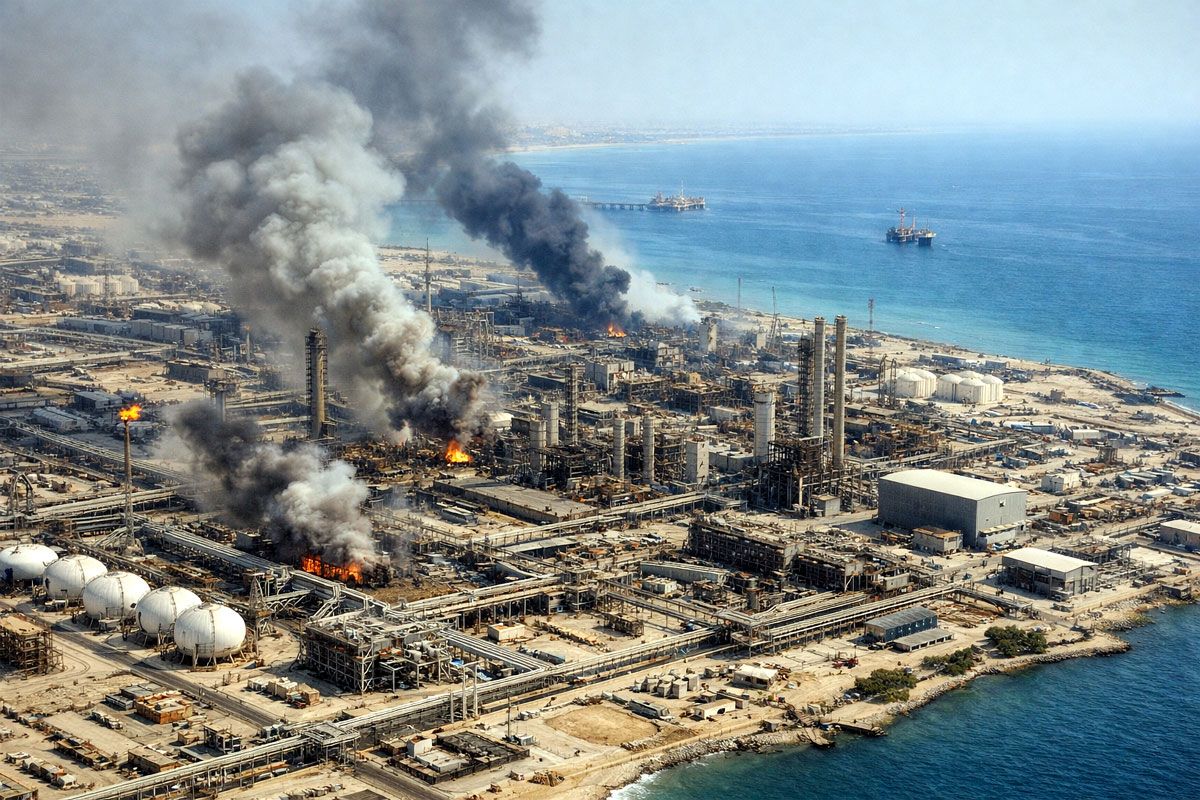
Tensions escalated further in Kuwaitwhere power lines were hit by shrapnel from the anti-aircraft defense, causing power outages. In Bahrainmissile warning sirens were activated, and the Ministry of Defense of Saudi Arabia reported that it destroyed 19 Iranian drones heading to its oil-rich Eastern Province.
Oil prices, which had briefly fallen below $100 a barrel following Trump’s remarks on the negotiations, rose again to $104 a barrel in morning trading, marking an increase of more than 40% since the start of the conflict on February 28.
Trump had initially set a deadline of the end of Monday for Iran to reopen the Strait of Hormuz, but extended this time by five days. Iran It has allowed some ships to pass, but has stated that it will continue attacking vessels linked to the United States and its allies. Iranian authorities are wary of Washington’s intentions, recalling that negotiations were already underway before the start of the current conflict.
The deadline extension comes as thousands of Marines head to the region, sparking speculation about possible military intervention on the island of Kharga strategic point for the Iranian oil network. The United States had bombed this island more than a week ago, affecting its defenses, but ensuring that it did not touch the oil infrastructure.
Iran has warned that it could undermine the waters of the Persian Gulf if the United States appears to be about to land troops, thus complicating any attempted amphibious assault and putting shipping in the area at risk. Meanwhile, the death toll in Iran exceeds 1,500, while Israel has reported 15 deaths due to Iranian attacks and at least 13 US military personnel have also lost their lives.
Quick reading
What happened recently?
Iran launched missiles and drones against Israel and Gulf states, amid a growing conflict.
Who is involved?
The main parties are Iran, Israel, the United States and Arab Gulf countries.
When did these attacks take place?
The Iran attacks occurred on Tuesday, while Trump was talking about negotiations.
Where did the attacks take place?
The missiles hit Israel and there were also bombings in Lebanon.
Why did the situation escalate?
Tensions increased due to the lack of agreement in the negotiations and the escalation of attacks.