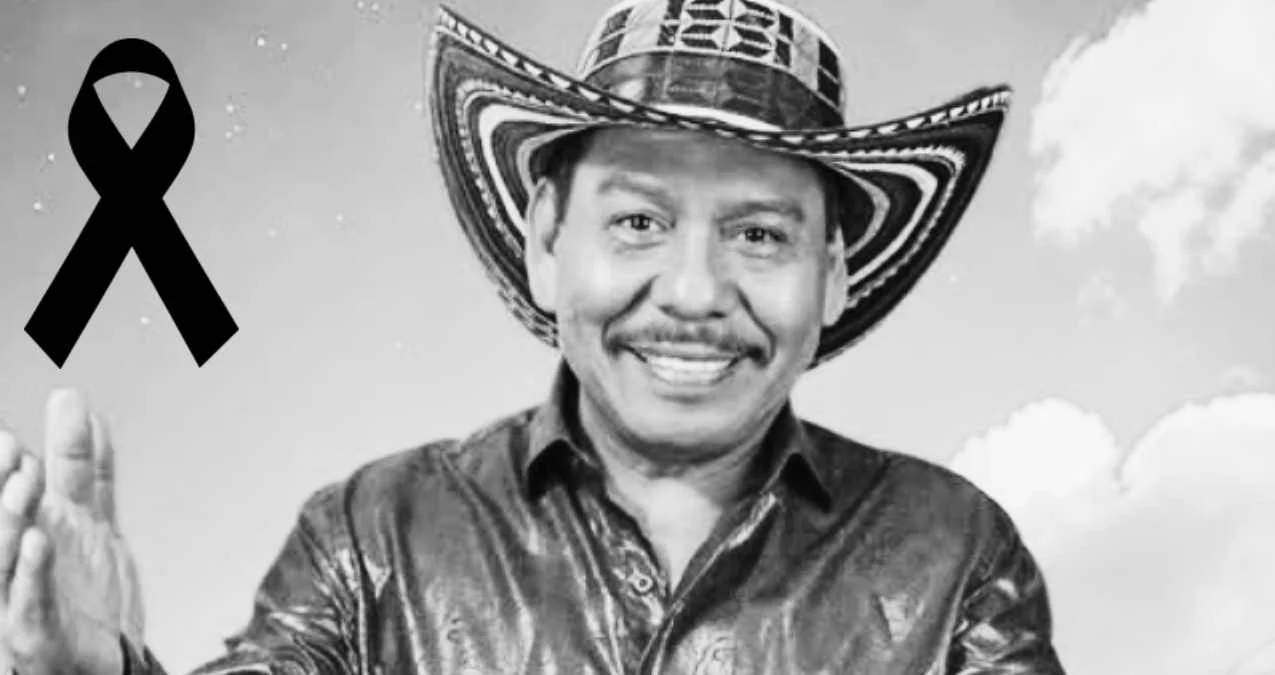
The death of Paco Silva, leader of La Tropa Colombiana, marks the end of an era for tropical music in northeastern Mexico after 40 years of experience. His death in Nuevo Laredo consolidates a sound heritage that unifies the border identity and the formation of new musical generations.
You may also be interested in: Netflix cancels Perfect after the final departure of Millie Bobby Brown
The end of an era in northeastern tropical music
The cultural scene and the regional music union face a structural loss with the departure of Francisco Javier Silva Flores, a central figure known artistically as Paco Silva. The founder of the emblematic group La Tropa Colombiana died at approximately 1:00 in the morning this Sunday, April 12, 2026, in the city of Nuevo Laredo, Tamaulipas. Confirmation of the event was issued by the band members through digital platforms, closing a cycle of four decades where Silva positioned himself as an indisputable pillar of the music industry on the border.
Pillars of an indisputable musical authority
Silva’s relevance within the cultural ecosystem is based on foundations that transcend simple artistic interpretation, establishing a deep connection between music and society.
- Identity in the border area: Silva’s sound proposal functioned as an effective cultural link in the “Dos Laredos” region. He managed to consolidate a style of cumbia with specific local nuances that today define the auditory identity of Tamaulipas and South Texas.
- Musical school model: Unlike other exponents of the genre, Silva established a technical training structure. Under his tutelage, numerous instrumentalists acquired the necessary knowledge to ensure the continuity of the “Colombian” style in the north of the country, acting as a high-level training center.
- International institutional projection: La Tropa Colombiana transcended the conventional band format to become a cultural brand with a solid presence in foreign markets, highlighting its roots in Argentina and various regions of the United States.
Global reactions to the loss of a reference
During the days prior to this event, the group maintained a dynamic agenda of in-person events and constant interaction with its digital audience. Following the news, an immediate response was activated in various sectors of the Latin American industry.
In Argentina, renowned groups such as La Aplanadora Colombiana expressed their solidarity, underscoring the transnational influence of Silva’s work. This phenomenon of collective mourning was replicated in Nuevo Laredo, where digital tributes have been constant, reinforced by the band’s official message that highlights the artist’s educational and musical heritage. Simultaneously, the metrics in streaming services reflect an increase in the consumption of his discography, validating the validity of his catalog in the face of the crisis of his physical departure.
Projections for the preservation of sound heritage
The sector anticipates a series of strategic movements aimed at honoring the musician’s memory and managing his professional legacy in the short term.
- Commemorative events: Funeral ceremonies are planned to be held in Nuevo Laredo with the assistance of influential personalities from the group and tropical world.
- Operational continuity of the group: The Colombian Troop enters a phase of technical restructuring. It is highly probable that a tribute tour will be designed under the direction of the current members to fulfill Silva’s historical commitments.
- Catalog administration: Intensive copyright management and the production of special editions or “Golden Collections” are expected to maintain the competitiveness of sound heritage in the digital and physical market.
Cumbia as a social fabric on the border
To understand the magnitude of the figure of Paco Silva, it is necessary to analyze the evolution of Colombian cumbia in Mexican territory since the 70s and 80s. Cities such as Monterrey and Nuevo Laredo processed South American rhythms to create the so-called “Cumbia Norteña” or “Cumbia de la Calle”, a movement that Silva not only integrated, but also helped to design architecturally.
Its trajectory allowed the genre to successfully navigate technological transitions, from the rise of the cassette to the dominance of streaming, maintaining the relevance of a cultural expression that unites the border working class. Silva represented one of the last direct links with the golden age of tropical groups that professionalized mass entertainment in squares and dance halls.
This legacy today benefits young musicians trained in his methodology and cultural promoters who see his work as a historical asset. However, his absence creates a void in the live entertainment industry in Tamaulipas and represents a challenge for the management and creative structure of La Tropa Colombiana.