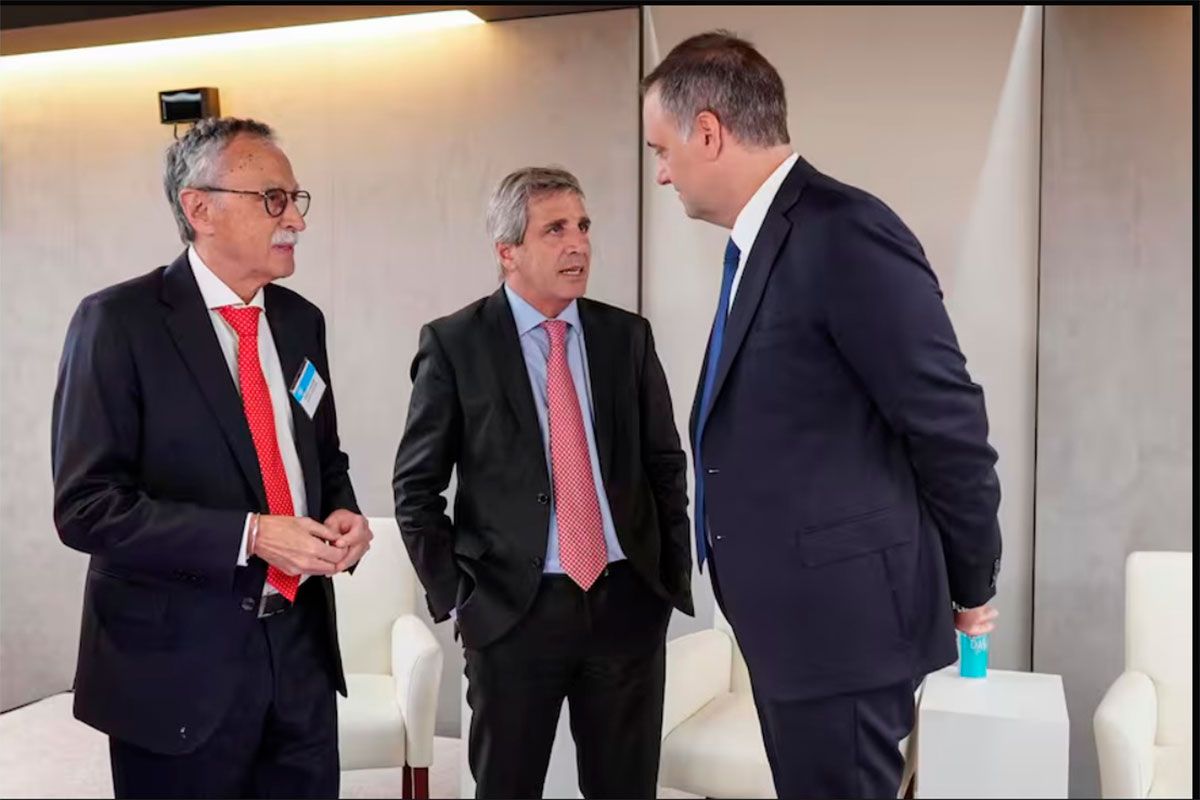
“There is going to be some mechanism, some type of agreement,” was the imprecise response that came out of Casa Rosada in relation to the crisis that is shaking the Pami. The meeting of the Minister of Health, Mario Lugones, with his Economy counterpart, Luis Caputo, was described as “productive” but did not yield concrete results. Meanwhile, The complaints continue and the risk of system collapse increases. The same with the sector disabilitywith million-dollar debts, values that are not updated for clinics and service providers and transporters whose diesel prices increased without compensation.
The meeting took place on Wednesday at the Palacio de Hacienda. The axis rotated around a debt with lenders for more than 500 billion pesosattributed to the funds owed by the National Treasury to the Ministry. The delay in payments translated into restrictions in care and puts the continuity of benefits at risk.
In the midst of the conflict, attention was drawn to a statement from the Minister of Human Capital, Sandra Pettovello, clarifying that her management does not deal with Pami or the Disability sector. His message did not go down well with the Government. The minister’s dismissal of an official accused of controversial loans from Banco Nación had already generated controversy, in an attitude that made it clear to the portfolio holders that they did not take similar measures.
Institutional competencies: Disability and PAMI depend on the Ministry of Health. pic.twitter.com/BHZ5JWQeNv
— Ministry of Human Capital (@MinCapHum_Ar) April 8, 2026
Quotas and copayments in PAMI
Far from the disputes in high places, the impacts of the Pami crisis are suffered by the more than five million members of the largest social work in Latin America. As stated by the agency Argentine News, Retirees from Olavarría, Azul and Bolívar already have to pay for the consultation when they go to the Pami family doctor. Doctors based in these regions reported that, until Pami regularizes the debt, members will be treated as private patients.
“The retiree has to come to Pami to obtain a benefit order so that it can be authorized,” explained Susana Núñez, Secretary of Finance of Pami section 6 of the UTI union (Union of Institute Workers). One more complication for those who deal with difficulties in medication coverage and diaper deliveryamong other things.
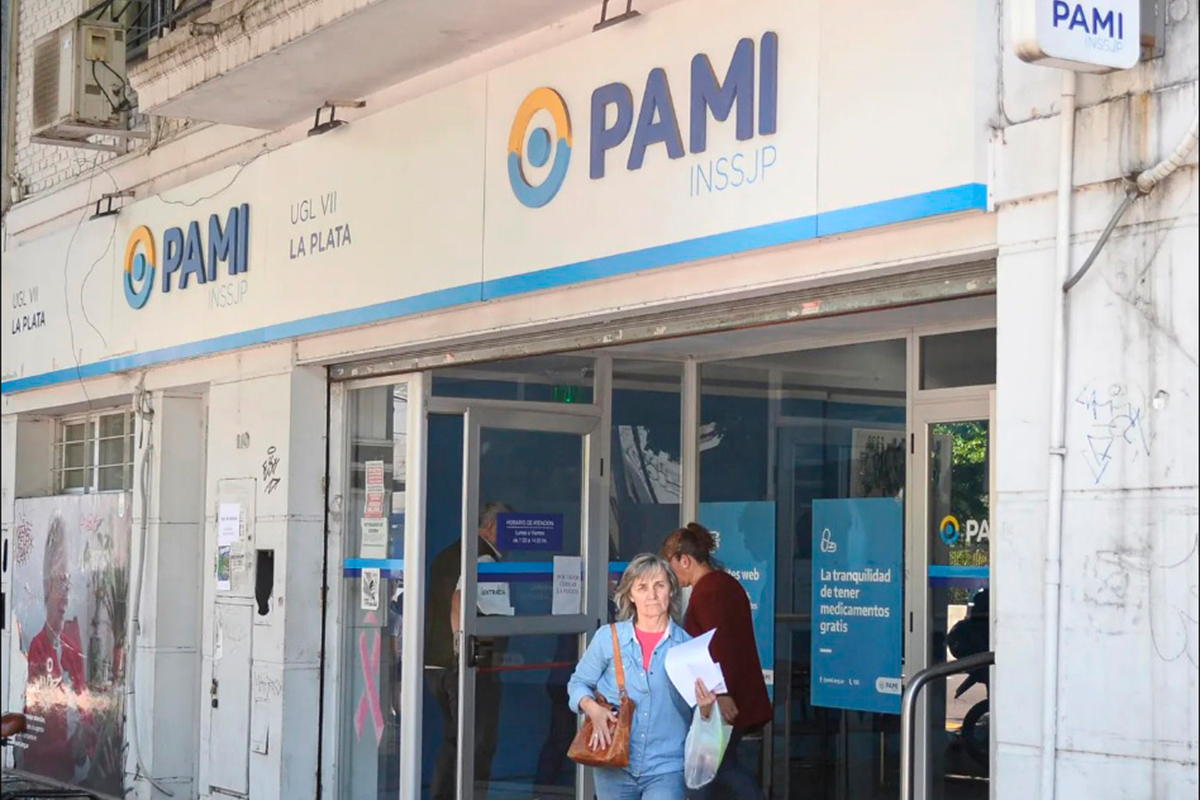
In Córdoba, meanwhile, members of Marcos Juárez have to travel 120 kilometers to Villa María through the closure of the Southeast Sanatoriumalthough Pami assures that this institution “stops being a provider due to a building and administrative issue”, not due to debts.
The truth is that Since the end of last year, the system stopped regularly paying benefits to private clinics, sanatoriums and hospitals.. This led to quotas being imposed for diagnostic studies and appointments, which can be up to four months late.
“Operational, economic and financial asphyxiation”
Social organizations such as homes that assist people from Pami are among the most affected and their continuity hangs by a thread. “That Health should be included is historic. That Pami should, no. And the two together, even less so. I think that there is a decision behind this. In general we all took Pami for granted. Now, no,” María Bayá Casal, from the Argentine Federation of Non-Profit Organizations of and for people with disabilities (Fededis), told this media days ago. Also from the homes of the Don Orione work they made it known that their continuity is in danger due to lack of payments from Pami.
The echoes of the crisis are felt in all provinces. The Association of Ophthalmologists of Río Negro (AORN) announced a restriction of care for an indefinite period of time which reaches all Pami affiliates in the province, for pending payments. In Santa Fe, although a general measure was not taken, there were specific cessations of care and warnings of more restrictions if payments are not regularized. “(The attention) may be resentful because some businesses made the unilateral resolution since we are talking about unpaid October invoices, regardless of the fact that the value of the benefits was overdue,” Lucio Marani, president of the Rosario Chamber of Optics, told LT8.
In Córdoba, the president of the Association of Private Clinics and Sanatoriums (Aclisa), Ignacio Escuti, told the newspaper La Voz that “Pami’s values are far behind the real costs, with delays that in many cases exceed 100%, in a context of permanent increases.” That is why the entities in the sector warned the national authorities about an “operational, economic and financial asphyxiation” that compromises the continuity of medical care.
Since the pharmacies They had already been alerted about difficulties in maintaining care due to the lack of payments from Pami. “When payments do not arrive on time, the entire chain of care suffers,” the main pharmaceutical entities announced at the beginning of the year, in a statement to send Pami the demand that it regularize pending payments.
In this context, Lugones’ resignation versions were given. The denial of the questionable “Official Response Office of the Argentine Republic” did not dispel doubts about the future of the Minister of Health.
In Disability the situation is also aggravated, deepened by being, like Pami, an extremely sensitive sector in social and health matters. But it does not seem to modify the perspective of the Economy, which continues to slow down payments.
The delays regarding the increase in costs reach 160%. The crisis puts everything from providers and transporters to cottolengos in check.
“The cottolengo is an institution where people with disabilities live. In our case, The one in Avellaneda is a home with a day center where we currently have 84 women. with intellectual disabilities and other disabilities,” explained Diego Zottagraduate in Psychology and technical coordinator of the Cottolengo de Avellaneda in dialogue with Father Juanca Molina in Breaking the mold on Radio 750.
Along with Claypole’s -one of the most recognized-, it is the first experiences of this type in Argentina. Zotta stressed: “Historically, the payment chain for social and prepaid works is three months late. But since November of last year this has worsened and we are experiencing delays of four or five months, even more in some institutions.. “This is becoming unsustainable.”