Yucatán begins its dry period on April 15, 2026 with temperatures of up to 38°C. The technical analysis of Ciafeme of the UADY confirms a gradual transition without immediate historical records, denying alarmist projections through data on atmospheric stability and residual moisture in the soil.
You may also be interested in: Cold front 44 will impact Mexico with storms and hail this weekend
Atmospheric configuration and thermal balance factors
The current meteorological panorama does not respond to a sudden crisis, but to a specific technical configuration that has made it possible to mitigate the impact of the high pressure system. Three pillars define the condition of the soil and air in the region:
- Strategic residual humidity: The presence of extemporaneous cold fronts during the first quarter of the year generated precipitation that maintains the soil with humidity levels higher than the historical average.
- Asymmetry in microclimates: While the central and southern areas retain water, the northeast of the state faces an accumulated rainfall deficit that increases the vulnerability of the terrain.
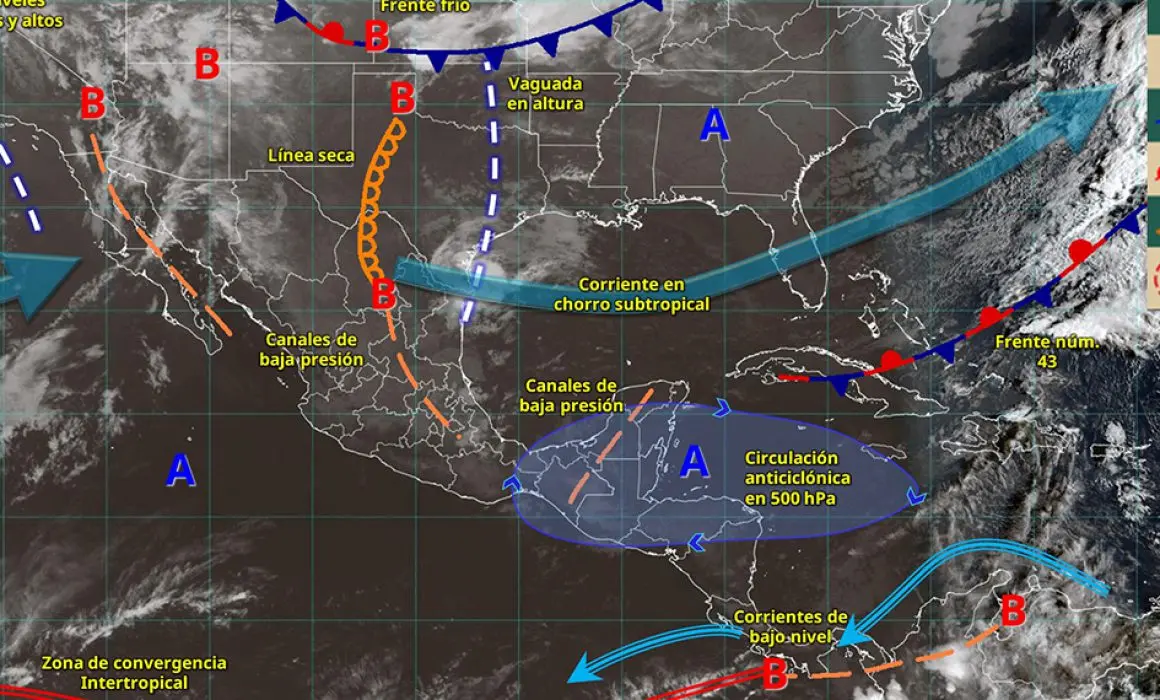
- Consolidation of the anticyclone: A high pressure dome at mid-levels in the atmosphere begins to establish itself, reducing cloud formation and maximizing the incidence of direct solar radiation.
Evolution of recent thermal behavior
During the first half of April, the territory experienced an unusual climatic lull. The influence of northerly winds cooled the coastal strip, preventing linear warming. However, technical records show a change in trend in the last seven days: a sustained increase of 1.5°C in minimum night temperatures has been documented. This indicator marks the cessation of polar air masses and the definitive establishment of tropical maritime air. In municipalities like Tizimín, the drought classification has escalated to “severe”, with the consequent reactivation of grassland fires.
Operational projections for the second quarter
The forecast for the second half of April and the month of May suggests the consolidation of the maximum dry peak under the following risk metrics:
- Temperature dynamics: The increase will be constant but gradual. Heat waves – defined by three-day periods with temperatures above 40°C – are expected until the first week of May.
- Fire activity: A 25% increase in the frequency of accidents is estimated in the northeast of the state due to the extreme dryness of the combustible plant material.
- Electrical grid demand: A rebound in energy consumption is anticipated due to the use of refrigeration systems, although CFE forecasts place the load within operating margins.
Temperature Dynamics (>40°C)
Thermal Projection
Increase in accidents
CFE Notice: Load within operating margins.
`; shadow.innerHTML = html; // Scroll Animation Logic const observer = new IntersectionObserver((entries) => { entries.forEach(entry => { if (entry.isIntersecting) { entry.target.classList.add(‘animate’); // Circle animation (25% = 226.2 * 0.75 dashoffset) const circle = shadow.getElementById(‘incendio-prog’); if(circle) { circle.style.strokeDashoffset = 226.2 * (1 – 0.25); } observer.unobserve(entry.target); // Animate only once } }); setTimeout(() => { const target = shadow.querySelector(‘.grid’); if(target) observer.observe(target); }, 500); })();
Challenges of karst soil and the urban heat island
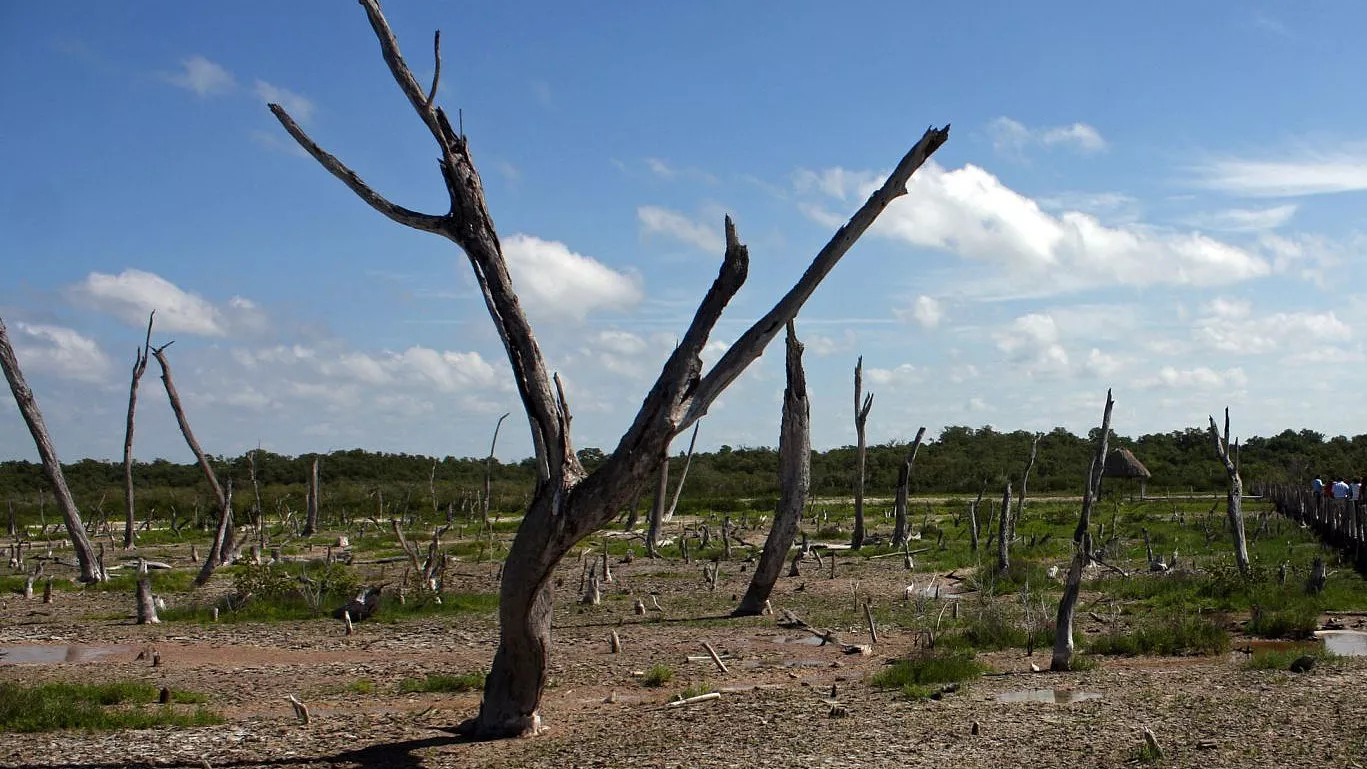
The geology of Yucatán imposes a unique challenge: the absence of surface rivers. Drought manifests itself through accelerated evaporation of the shallow aquifer and stress of the low deciduous forest. This phenomenon, known historically as the “thirst cycle,” is exacerbated in the modern era by the urban expansion of Mérida. The asphalt and the reduction of forest cover have created heat islands that trigger the thermal sensation, causing the official 37°C to be perceived more intensely by citizens.
Technical rigor against digital misinformation
The Institutional Committee for the Attention of Extreme Meteorological Phenomena (Ciafeme) of the UADY maintains that there are no foundations for the narratives of immediate catastrophe that circulate on digital platforms. Statistical normality indicates that the thermal increase will be progressive. It is imperative to reject versions without technical support that predict records higher than 45°C for this specific fortnight, prioritizing information from institutional channels.
Impact analysis by economic sectors
The critical phase of the drought generates differentiated effects on the regional economy:
- Tourism sector: Coastal towns such as Progreso and Telchac serve as direct beneficiaries, capturing the flow of visitors fleeing the temperatures of the capital.
- Agricultural Sector: Livestock and citrus producers in Tizimín and Colonia Yucatán face the greatest impact, with high operating costs due to water transportation and the loss of forage biomass due to the severe drought.