The domestic custom of watching a movie contains a great secret: it can change the way we see or construct the world. Movies show fantasies, anticipate realities, build the future and there seems to be the crux of the matter… why and who tells the future.
Lucrecia Martel explains it in a wonderful way in one of her foundations of why it is important to make films in and for Latin America: “Let’s invent the future so that in 100 years things will be a little better. Because what we have the responsibility and the wonder of our work is to invent the world, to invent the future.” Under this premise, something very clear can be determined: productions such as Daughters of Fire, White Roses Fall!, 22 times Paola, Nativity scene and Our Earth They are films that change the way we perceive the present and that will undoubtedly modify the future.
The case of documentary 22 times Paola It is undoubtedly one of the most significant examples.
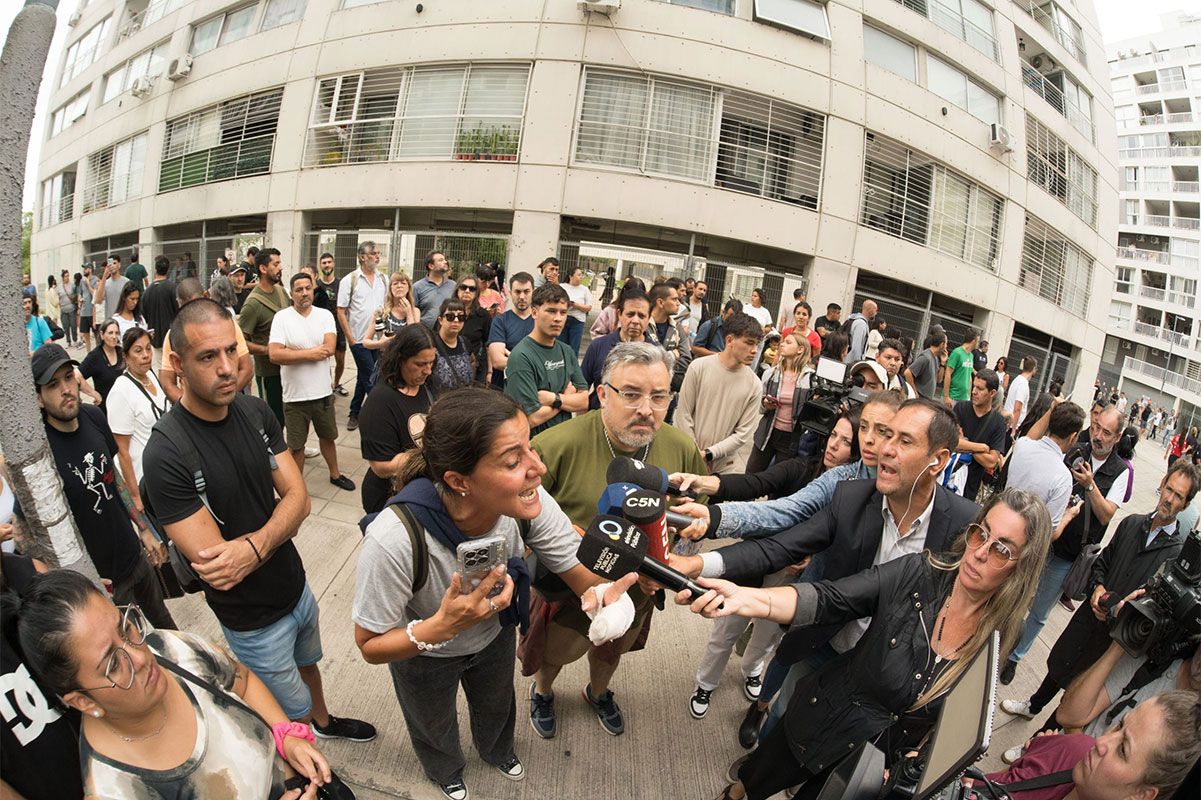
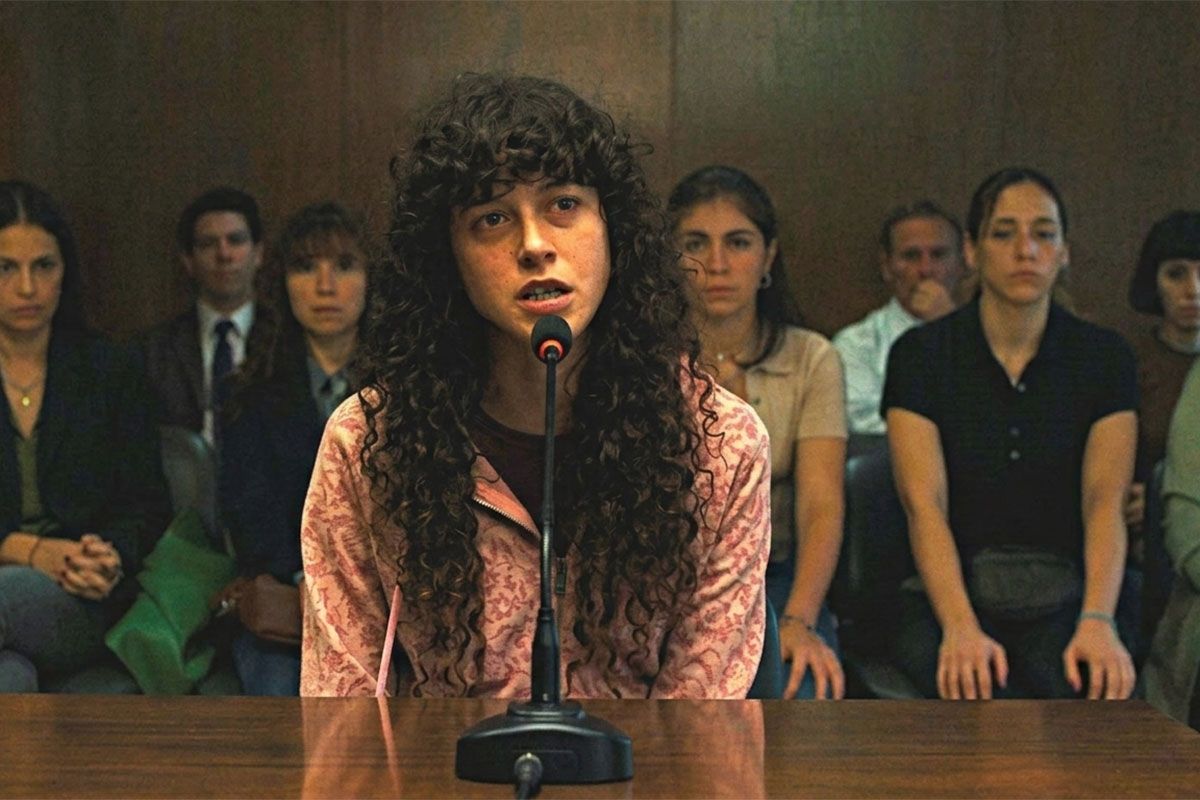
The Tucumán audiovisual production narrates the femicide of teacher Paola Tacacho, murdered in 2020 in Tucumán by a former English major student after making 22 complaints that were made invisible by the justice system. This production was born when Mariela, her mother, allocated part of a fund granted by the former Ministry of Women, Gender and Diversity, and a reparation program for relatives of victims of gender violence and femicide to document what had happened along with a strong process of collective creation between feminist journalists and the feminist organization. Not One Less Tucumán who accompanied the family since October 30, 2020 in which Mauricio Parada Parejas killed her in the city of San Miguel de Tucumán and then committed suicide.
Paula Scarso, director and screenwriter of the film, says that when she was summoned she realized that this documentary “had to exist.” Not only because of how it moved her when she learned the story, but because of the importance of the case being trapped in oblivion. 22 times Paola It is the faithful reflection of the Tucumán justice system that ruled against the English teacher, but it is also the living expression of the feminist struggle that, finally, managed to dismiss Judge Francisco Pisa for failure to fulfill the duties of a public official and for failure to respect the gender perspective. Something sobering since it was the first case of a judge being dismissed for this reason.
According to Scarso, the documentary was completed thanks to the tireless work of the technical and militant team who contributed hours of selfless work. In the middle of the project, funds became scarce and the Tucumán State was conspicuous by its absence. However, the collective organization and funds from the State of Salta ended up moving the project forward. It premiered on October 30, 2025, the anniversary date of Paola’s femicide.
Subvert the mainstream
Far from Tucumán, 3,500 kilometers in Ushuaia, one of Albertina Carri’s most iconic films was filmed: The Daughters of Fire. In 2018, the director told the story of a group of lesbian friends who go on a trip to Patagonia to make a porn film but who, in the middle, undergo a transformation that will leave them marked forever.
The cast, made up of the brilliant Mijal Katzowicz, Rocío Zuviría, Nico Marcet, Ivo Colonna Olsen, Wanda Rzonscinsky and Carla Morales Ríos, is completed by Carolina Alamino who spoke with Argentine Weather: “I said yes, because there was some militancy in that film. I thought about why it was important for it to exist.”
Queer cinema is told differently but also made differently. Alamino told Time: “We were aware that it was a porn film, but that it was subverting the logic of mainstream porn, a film by Albertina and her view on that genre,” she says and reflects: “Lesbians were always represented in tragedies, we died or our sexuality was at the service of others. However, here we could tell the stories we wanted.”
After The Daughters of Fire (which won the award for best Argentine film at BAFICI and was screened at the San Sebastián festival), Alamino participated as an actress and screenwriter in Let the White Roses fall! the story of these same characters but eight years later. A film that comes out of the frames that indicate the large production companies and the gender stereotypes that sustain the status quo What capitalism needs.
Regarding the new ways of narrating, Carolina explains that White Roses Fall!“it talks about colonialism, conquest, power and the plundering that today is the global north. There is an obsession with the platform through the millionaire production company, which says, ‘I want a documentary film about misery’ which is what is always asked of Latin America (…) we have to move away from those narratives. Feminisms have understood that the place of victim is desolate, lonely, out in the open and there it is very difficult to germinate. Our stories cannot only be about how we are hurt in the world.”
Carolina reflects: “There is a good part of the industry focused on giving you a closed message, where the intention of the film is not to open questions or dialogue… But cinema is a living machine that does other things, and we have a responsibility: viewers are voters”
It is hot throughout the country, but as if it were a work of fate, in the NOA it is rainy and cloudy. The day is almost an oxymoron and there, in that context, the voice of Fernanda Obeid emerges, an audiovisual producer from northwest Argentina who has been working for more than a decade producing advertisements. although he confesses that in recent times, he chooses not to do so. The result of that decision is that she said “yes” when they proposed that she participate as a local producer of Nativity scene. The film tells how the Tucumán public health system and justice impacted the body of a woman accused of provoking an abortion.
The script, written by Dolores Fonzi and starring Tucumán actress Camila Platee, recounts the thousand and one adventures that this woman went through to get out of the dungeon. Represented by the lawyer Soledad Deza but also by the enormous work of Tucumán feminisms, Belén finally regains her freedom. The event was in 2014 but it was in 2025 when the film was released that won the Silver Shell at the San Sebastian Festival for Platee’s performance and was on its way to the Oscar in the Best International Film shortlist. “The story of Bethlehem echoes again (after so many years) because many people who had not been questioned by that news. So, being able to take time to show this, makes that time capitalized on making more reflections,” says Obeid.
Fernanda was in charge of selecting 500 people who participated as extras in one of the most iconic scenes of Nativity scenewhere a march was represented that called for his release: “Those who have the possibility of making decisions, generate new realities. That is to say, if I have the possibility of casting and calling people, it is a great responsibility because that means who are going to represent those people in front of others.”
The forceful orders with which Obeid works managed to become deep and reflective silences when it was his turn to produce Our EarthMartel’s latest film that tells the story of the murder of activist Javier Chocobar in Chuschagasta, a place an hour and a half away in the mountain, which has a release date of March 5. Fernanda comments: “There, far from speaking, I shut up and listen.”
For her, cinema is “a tool of transformation” which validates the idea of respecting the place, the stories and the cultures of those inhabitants: “There is something about coming from other places with a certain foreignness to wanting to tell local stories, where you have to enter on tiptoe (…) there is a very finite line that is worth looking at, identifying, asking, deciding how far and – should – reach an agreement with both parties to tell a story.”
Fernanda does not have the answer to why Javier Milei’s government defunds in a way systematic by INCAA, but she does have one certainty: “All that is left out is the people from the interior, the stories that have to do with anything that does not happen within CABA,” she says convinced. And he adds that it is very important to continue, as we can, making films: “Because it enables us to look. It makes us ask ourselves questions. It kicks our privileges, it moves us through realities, it takes us out of comfort. It is the most laudable purpose that a film can have.”
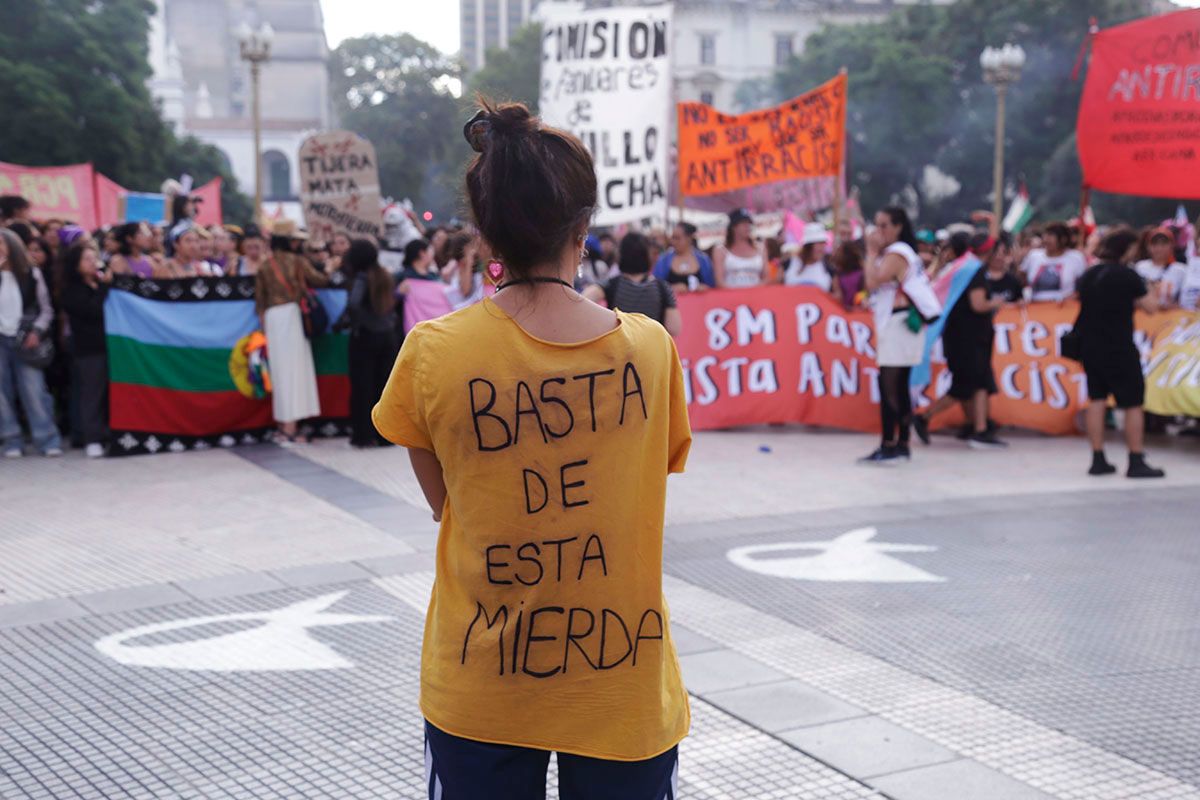
This review of the most resonant films of the feminist and queer world is necessary to understand the reality that is outside the aesthetic world of the platforms, of the sparkling gaze of white and hegemonic faces that the films in the big theaters present to us. Feminist cinema transforms, sets precedents but above all, builds a future that we will always be proud to look at. As Carolina Alamino said: “There is something of a slightly twisted view of the world, there is something queer there, we can talk about all the topics we want, we don’t only have to talk when we come out of the closet.”