In the country of cows, Argentine meat is foreign. While exports are privileged, without regulation or incentives for the local sector, the high cost in dollars and the lower domestic supply generated a current crisis in the sector that is reflected in the closure of meat processing plants that is multiplying in the country in 2026 like a virus with no solution. One piece of information reflects the panorama: the supply of beef today is 62 kilos per year per inhabitant. The lowest in decades. And the population is replacing it with other products such as eggs.
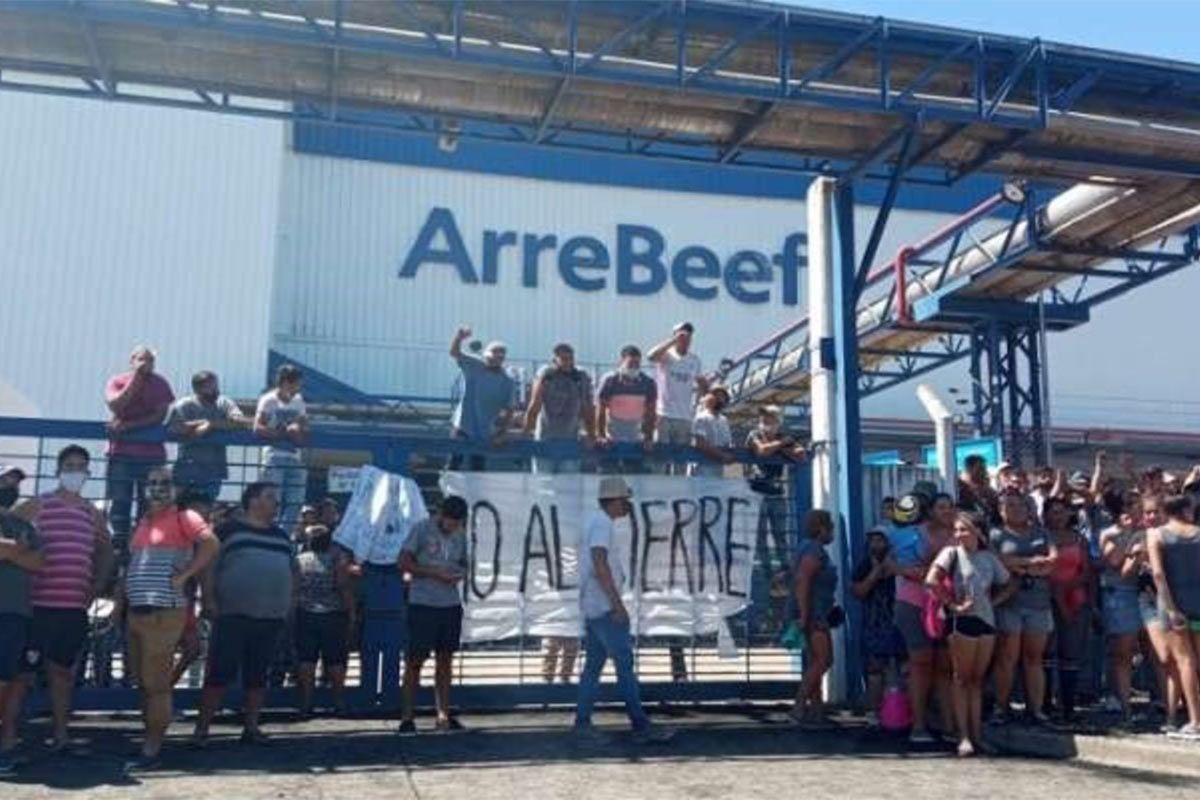
Behind the numbers there are people who are losing their jobs. In recent days, the ArreBeef SA meat processing plant dismissed almost 400 outsourced workers from its plant in Pérez Millán, Ramallo district. The workers, hired through the Ceta Group, warned that the suspension is without receiving their salaries. And there is no certainty about when they will return to their duties.
Romina Rossi, councilor for Unión por la Patria in Pérez Millán, explained to Time that although hiring in the meat processing plant always had ups and downs depending on production and the season of the year, disengagement “never happened so massively.” The plant went from having a slaughter of 1,500 animals to one of 850 per day. Among the reasons given by the slaughterhouse to explain the 40% drop is the “historic increase in the price of animals.” They went from paying between 2023 and 2024, around 2,500 per kilo of steer, to 4,500 and 5,000 pesos. “That is, what the company states is that they cannot buy property to be able to slaughter, production drops and we have these 400 workers disengaged from work,” summarizes Rossi.
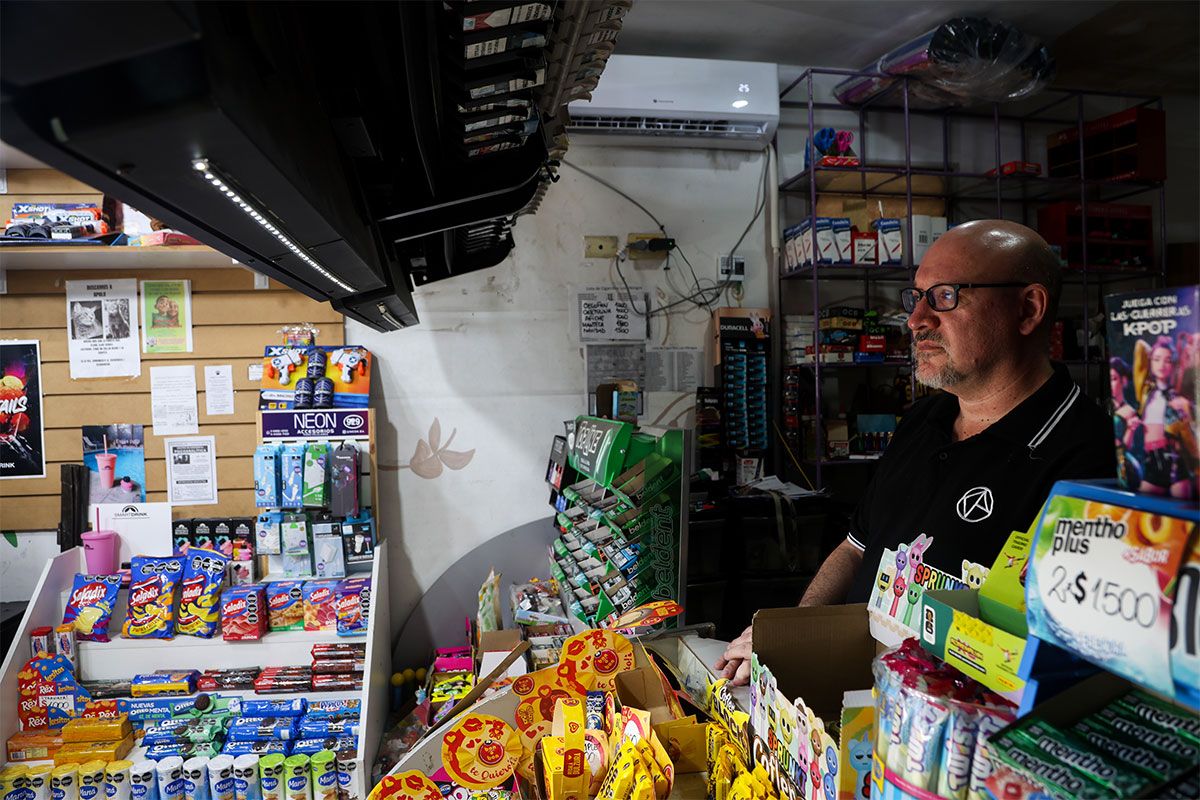
ArreBeef is one of the main beef exporters in the country and one of the largest partners of the ABC Argentine Meat Exporters Consortium. From the Meat Union, Cristian Cardozo explained that “the business is turning inside out for Argentina.” The low dollar and the treasury price generate a critical combination. And he mentioned that other exporting refrigerators such as Swift, Gorina, Rioplatense, Ciaber, Quickfood, are in the same situation. For the most part, Arrebeef workers are local residents. “The local economy is moved by what the refrigerator moves. It is the only productive company we have. This is a shock to the economy and the stability of the community,” Rossi added. “The grocer told me ‘I sold to the truckers who came to the refrigerator, now my sales have dropped’. A whole circuit of uncertainty is beginning to take shape.”
According to Indec data, during 2025, beef imports exceeded 17,500 tons, a 500% year-on-year increase. In parallel, the sector is experiencing a reduction in livestock stock. According to the latest report from the Argentine Meat Exporters Consortium (ABC), during February slaughter stood at 924,000 heads, a drop of 9.3% compared to the previous month.
The Arrebeef case is not isolated. The Pico de La Pampa refrigerator, producer of Paty hamburgers, is also in crisis. In mid-February, the Lowenstein family firm confirmed the dismissal of 200 employees at its General Pico, Trenel and Arat plants. They join the 450 disaffected in January. At that time, the company alleged the drop in daily slaughter from 600 to 50 cattle, due to “the crisis in the meat processing industry.”
A similar situation occurs in the Frigorífico Bernasconi, in the south of the Pampas. It reported a crisis and a labor conflict with more than 100 workers, in addition to a million-dollar debt with suppliers. In the suburbs, the Ganadera San Roque, located in Morón, closed its doors days ago and sent a dismissal telegram to 50 of its 140 workers. After negotiation with the Buenos Aires Ministry of Labor, an agreement was reached: the plant would reopen and jobs would be preserved, after a series of voluntary retirements. In a statement, the Municipality of Morón considered that the difficulties respond to a “complex economic context” resulting from the decline “in sales at the national level and the opening of imports.” The fear that it will close again persists, because macro conditions do not change.
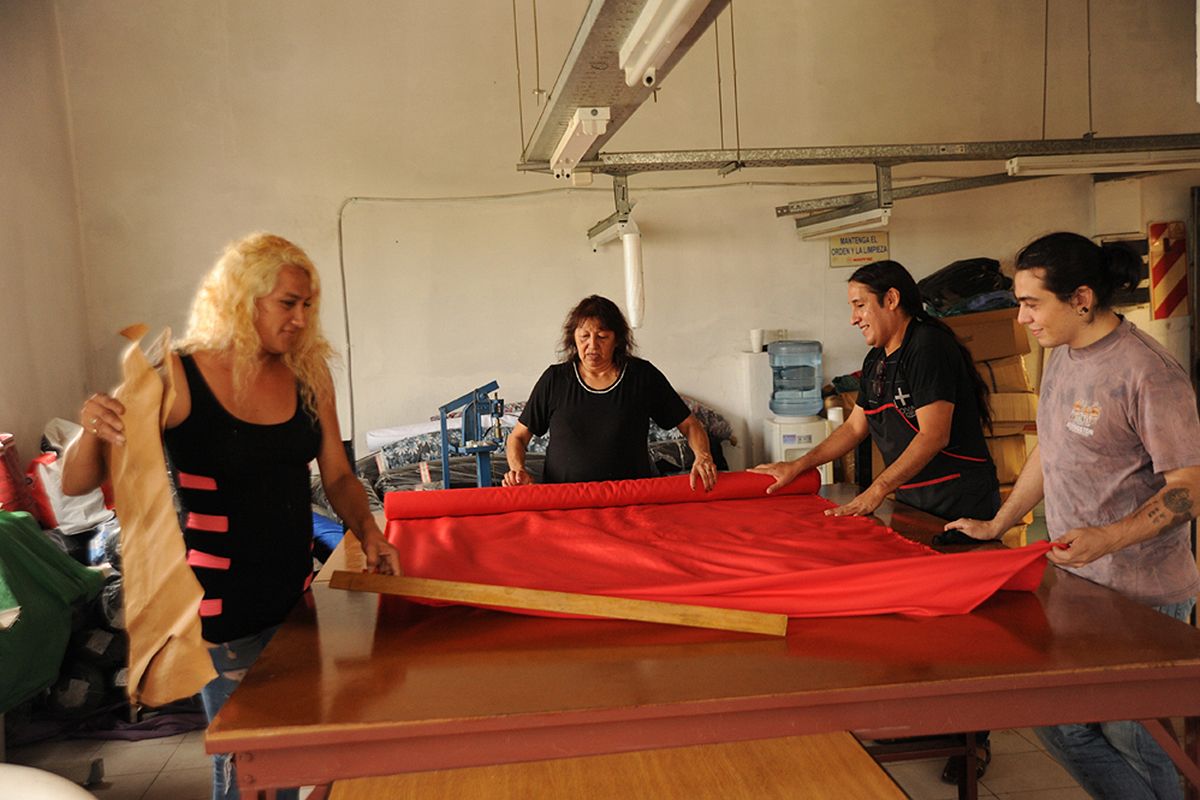
RZ (identity is preserved due to confidentiality) has worked in San Roque since the beginning, 25 years ago. He was one of the 50 workers who received the document letter. He is sitting on the side of the Plaza de Morón, after the protest they staged in front of the headquarters of the Ministry of Labor, he says: “They want one person to do the work of two.”
MR had gotten married and was on leave when the telegram arrived: «I had to suspend everything and come to see what was happening. It was something unbelievable. Almost 10 years of working for the same company.” He is the father of two boys; “One of my children has autism and needs social work… You don’t want to be on the street bothering anyone but they take you to the limit of desperation. And the fear of losing your job remains with you.”

Meanwhile, the price continues to rise
Rafael Jatil, secretary of the western sectional Meat Union, had warned that the outcome of the conflict with Ganadera San Roque in Morón would be a test for the sector. Meanwhile, to the impact of imports and the decrease in stock, we must add the effect of the increase in consumer prices. The Center for Argentine Political Economy (CEPA) revealed that the average value of meat rose more than 65% in 2025. And this year started with profound increases. For the Chamber of Industry and Commerce of Meat and Derivatives, domestic consumption of beef experienced a decline of 13 points between January 2025 and 2026, reaching historic lows. Only the previous month, the price of a kilo of roast had an increase of 5.6%, the kilo of rump and rump had an increase of 3.3%; Common minced meat 3.1% and shoulder 2.6%. Meat for few in Argentina.