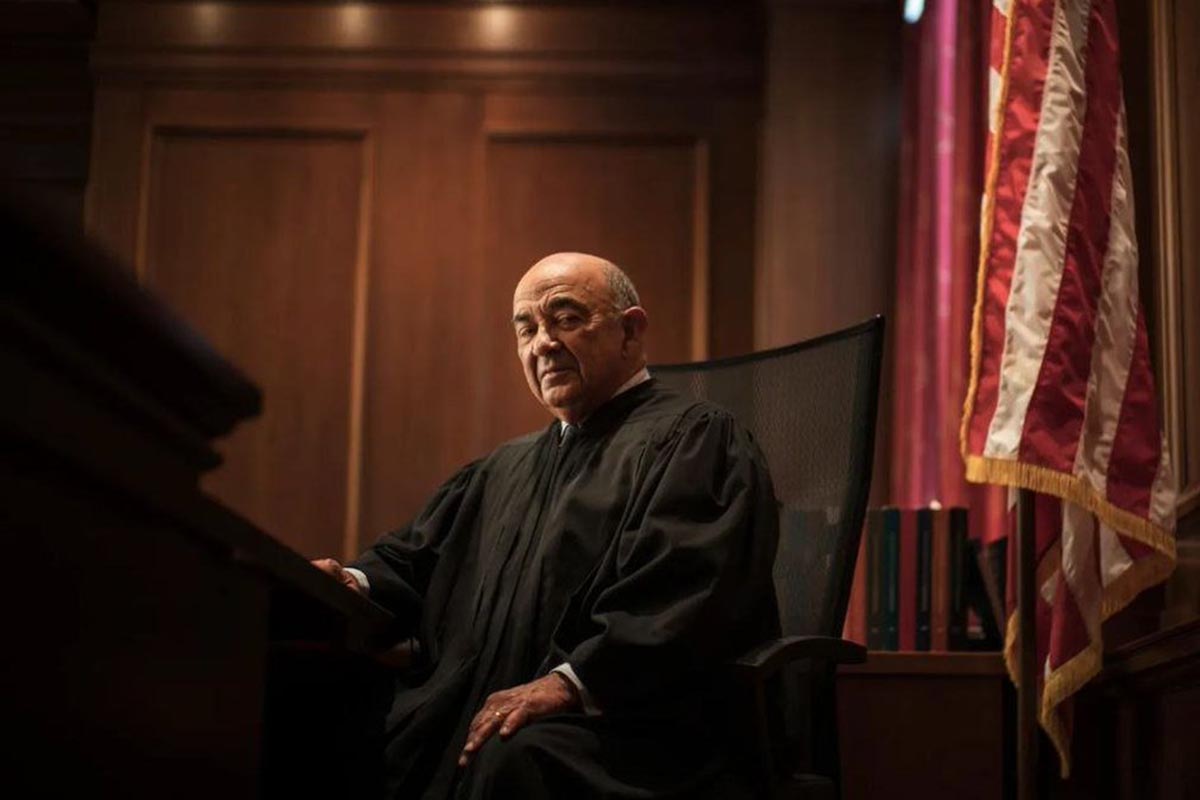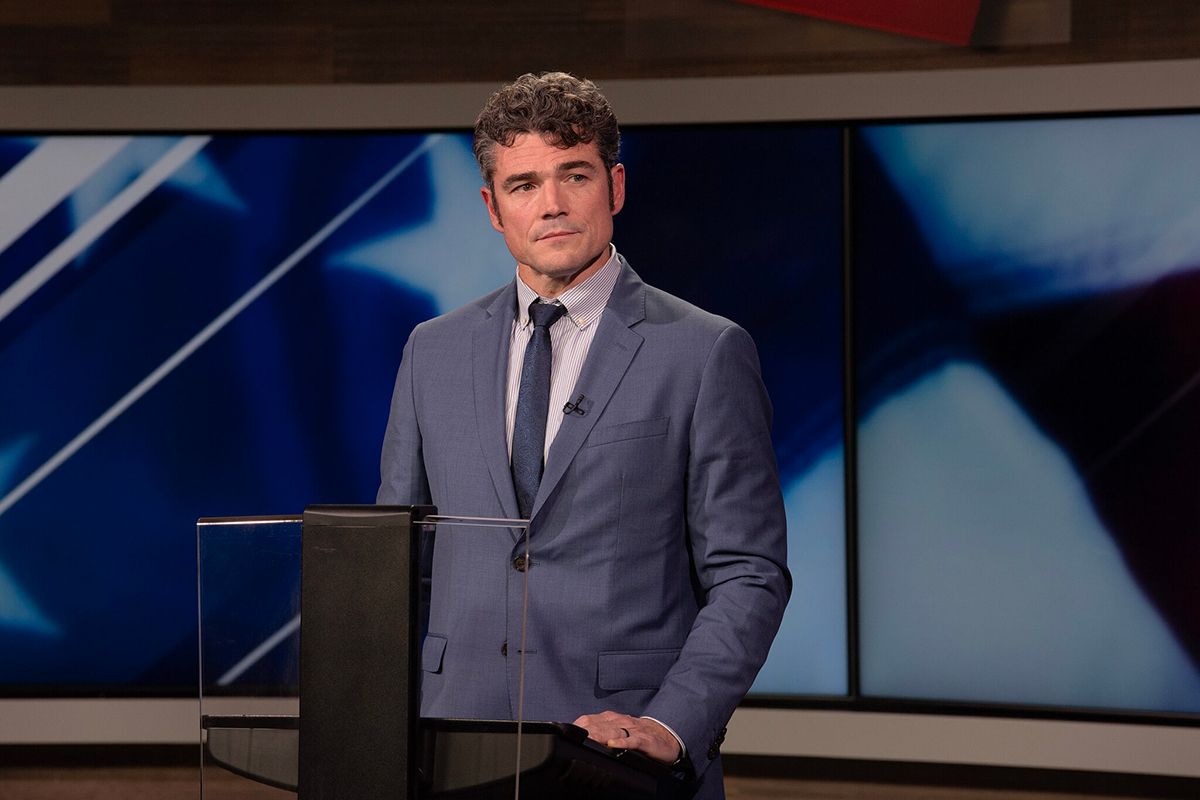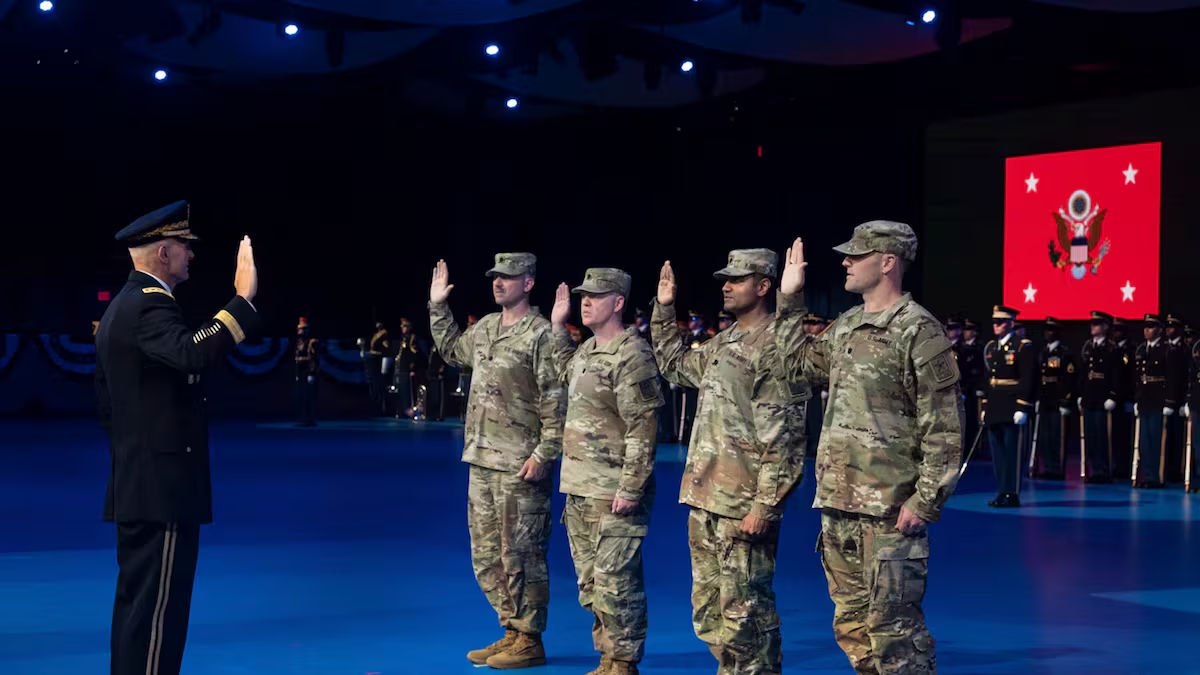
The image speaks for itself: Andrew Bosworth, Chief Technology Officer at Meta and Mark Zuckerberg’s trusted man, is dressed in uniform with three other big technology executives at the Myer-Henderson Hall headquarters, less than ten minutes by car from the Pentagon. The four, with their hands raised in a sign of oath, wear the oak leaf insignia of the rank of lieutenant colonel. The snapshot is from June 13 of last year and was taken during the special presentation ceremony of the call Detachment 201 or Innovation Executive Corpsan initiative “designed to merge the most advanced technological knowledge with military innovation.” To Bosworth or Bozthey accompanied him Kevin Weil, Product Manager at OpenAI; Shyam Sankar, CTO at Palantir, and Bob McGrew, former CEO of Palantir and OpenAI.
The link between the Pentagon and the major developers of artificial intelligence systems ceased to be exclusively commercial at that time.: since then, some of its executives have stripes (military ranks)literally, in the most powerful army in the world, to which They have joined as reservists. “Their unique skills will be instrumental in modernizing our capabilities and ensuring we remain at the forefront of technological advancement,” said Secretary of the Army Dan Driscoll.
The measure is unprecedented. And it didn’t sit well with many soldiers. That the rank of lieutenant colonel be given to four civilians after training concentrated in just four weekswhen that graduation usually requires between 15 and 20 years of career, it was seen as a favored treatment. The training must not have been very intense, as can be seen from the fact that two of the executives (McGrew and Weil) forgot to give the military salute to General Randy A. George when he congratulated them after the oath.
“The fact that it was decided to grant them military rank and not the status of technical advisors to the Army has profound implications for military culture, ethical integrity and public trust,” wrote, for example, Shannon Szukala, a security analyst and Iraq war veteran. “It basically devalues the sacrifice and long-term commitment that the career of a commissioned officer represents.”
“They could have resorted to the usual formula of incorporating the managers in the lowest positions in the ranks, but that would have placed them in a situation of difficult direct and natural dialogue with the commanders,” says Ángel Gómez de Ágreda, pilot and colonel of the Air and Space Army in the reserve. “It is evident that the intention was to try to make visible the cooperation between the US Armed Forces and the companies represented, that have been carefully chosen, and to place it at an appropriate level,” says this analyst specialized in cybersecurity and AI, who has just published two books, A fallacious world (Ariel) and Artificial intelligence and defense (Catarata, with Enrique Martín Romero).
It did not go unnoticed that the Trump Administration has given military ranks to managers who work at companies that have active contracts with the Pentagon. Palantir, the company where Lieutenant Colonel Sankar works, is the provider of the Gotham software, used by the Intelligence services and the War Department, as well as one of the pillars of Maven (along with Anduril, AWS or Anthropic, until Trump vetoed it in February), a program to implement the use of AI in intelligence work, reconnaissance missions or target selection. In total, it is estimated that the company founded by Peter Thiel has dozens of contracts that tie it to the Pentagon over the next decade with a potential value of about US$10 billion.
Bosworth, for his part, is a key figure at Meta, a company that has an agreement with Anduril to develop integrated virtual reality products for the Army. Boz He told in X why they chose that name for their detachment: it is a reference to HTTP status code 201, which means that a resource has been created successfully.
OpenAI, the company where Weil works and where McGrew served, already had agreements with the Pentagon and has just inherited the contracts that Anthropic had until now, recently fallen from grace for not wanting to open its code to the Army.
The four executives will have to serve in the Army at least 120 hours a year, which can be carried out remotely. Their role will be to advise on the integration of technologies that will often come from the companies that pay them.
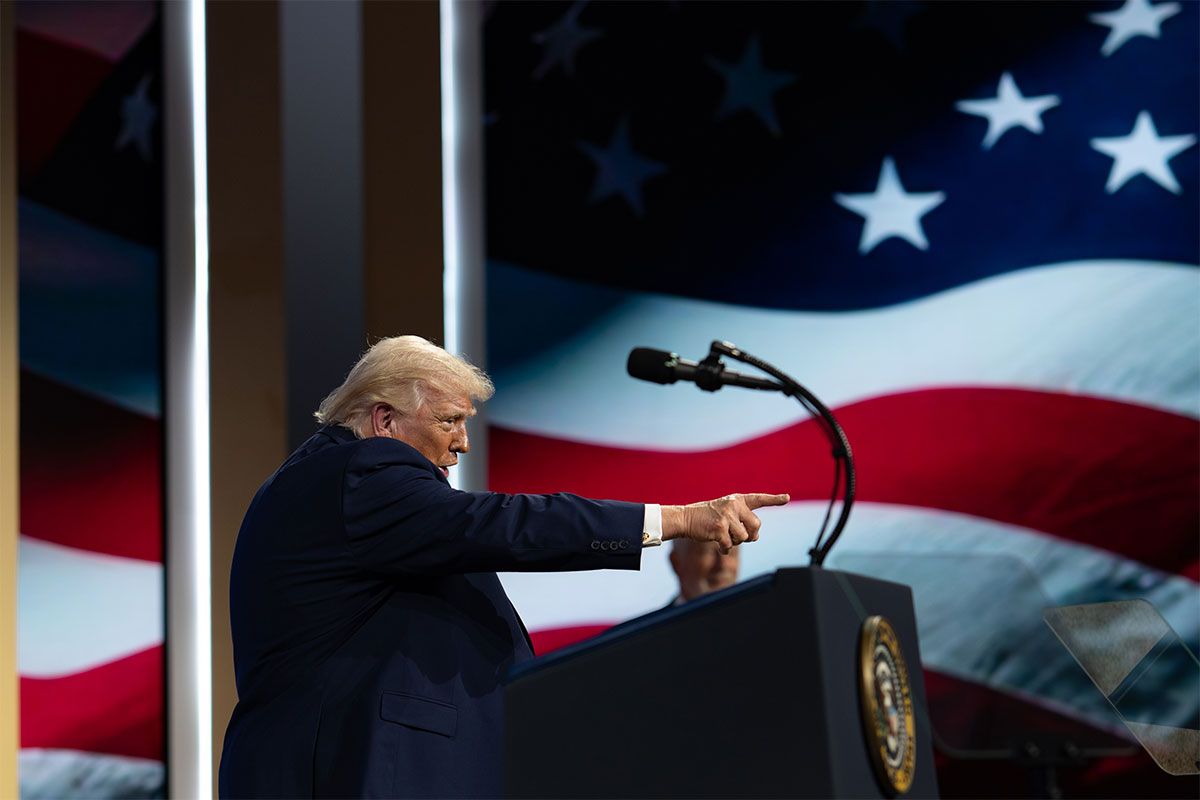
Donald Trump’s flirtation with big technology has been a constant since his return to the White House, although that good harmony has not always existed. In his first term, relations with technomagnates They were tense. He accused them of being liberals (which in the US is understood as progressive) and even suggested that he would try to imprison the founder of Meta, Mark Zuckerberg, after he indefinitely suspended Trump’s accounts on Facebook and Instagram, after the assault on the Capitol.
Everything changed when he proposed to succeed Joe Biden. He won the elections thanks to Elon Musk, who was his main patron and strategist. With the elections already won, and before assuming the presidency, the top officials of the big tech. Including Zuckerberg, with whom he had had the most disagreements in recent years.
The hiring of Pentagon officials by technology companies is not new. Meta, for example, hired former military personnel, as revealed Forbes a year ago, “to help it sell its virtual reality and AI services to the federal government.” “Since the end of the Vietnam War, American companies have hired recently retired military personnel to take advantage of their experience. Now it seems that the opposite is going to be done,” explains Fernando Puell de la Villa, historian, retired Army colonel and author of History of war: six hundred years of fighting in the West (15th-21st centuries) (Espasa).
Washington wants Detachment 201 to help integrate AI, automatic data analysis and recruiting technology into Army strategic planningan effort that was first announced in 2018 and that Trump is pushing in his second term. Although the idea of Detachment 201 is not his: it emerged in April 2023, with Joe Biden in the White House and months after the emergence of ChatGPT (November 2022) presented generative AI to the world. The then director of talent management at the Pentagon, Brynt Parmeter, decided to form a detachment specialized in this technology, which would start with a handful of officers and that over the years would recruit thousands of people.
Little is known about what Detachment 201 has done so far. The Pentagon has not yet provided any information in this regard. It is public that the express incorporation procedure for military reservists that he inaugurated, which has reduced the months it takes to incorporate a candidate into the military structure from 18 to six, is being taken advantage of. “We’ve learned a lot from the Detachment 201 recruiting process,” Brigadier General Gregory Johnson told a group of reporters in remarks reported by Federal News Networks, adding, “We have a lot of activity when it comes to software, AI, robotics and networking. We believe many specialists can help us through this direct appointment program.”