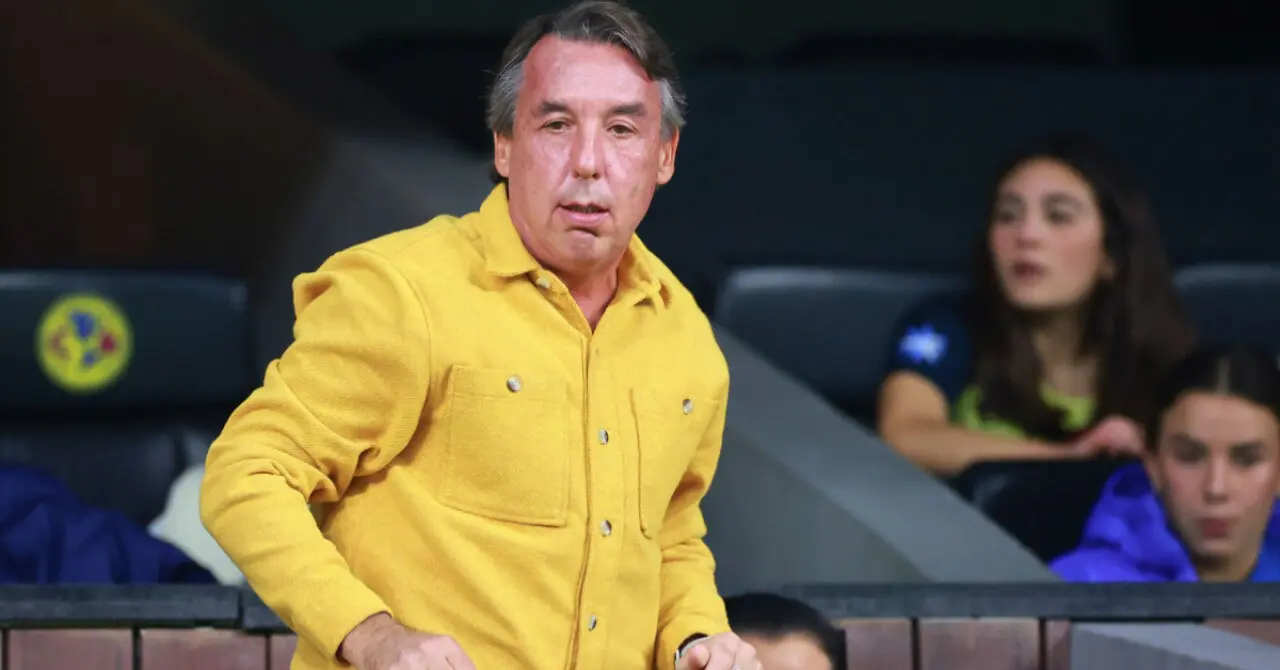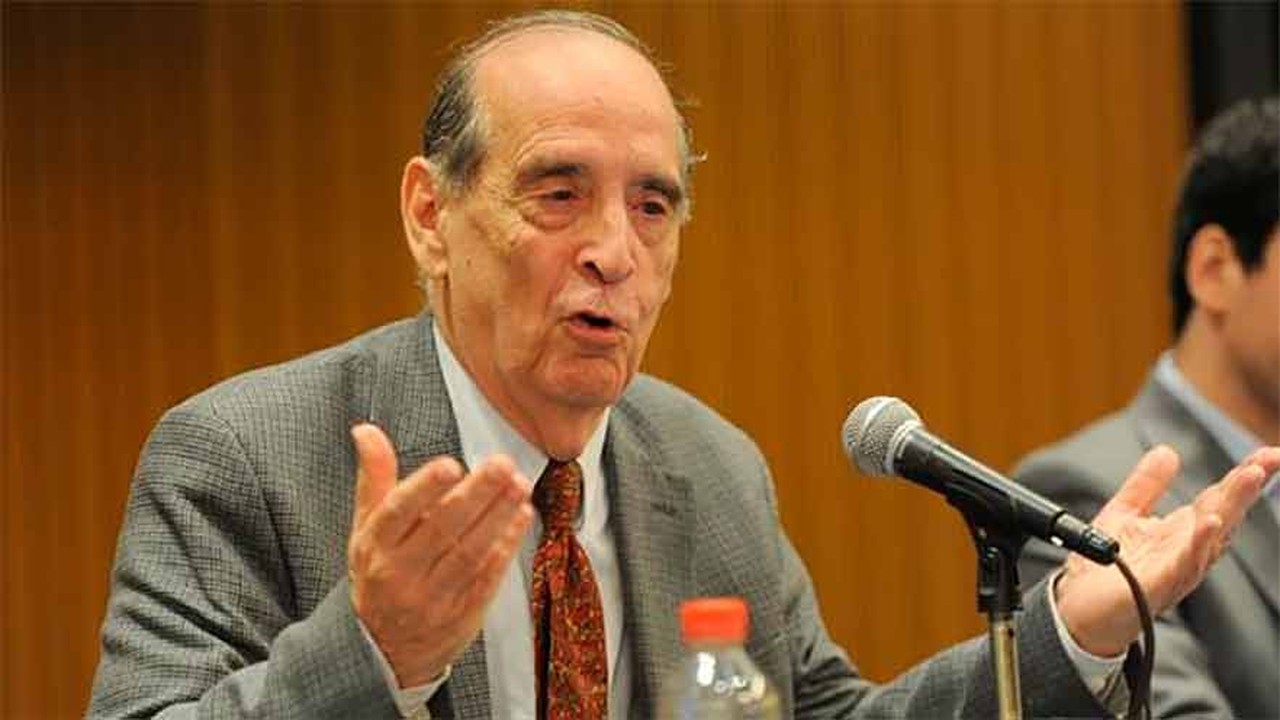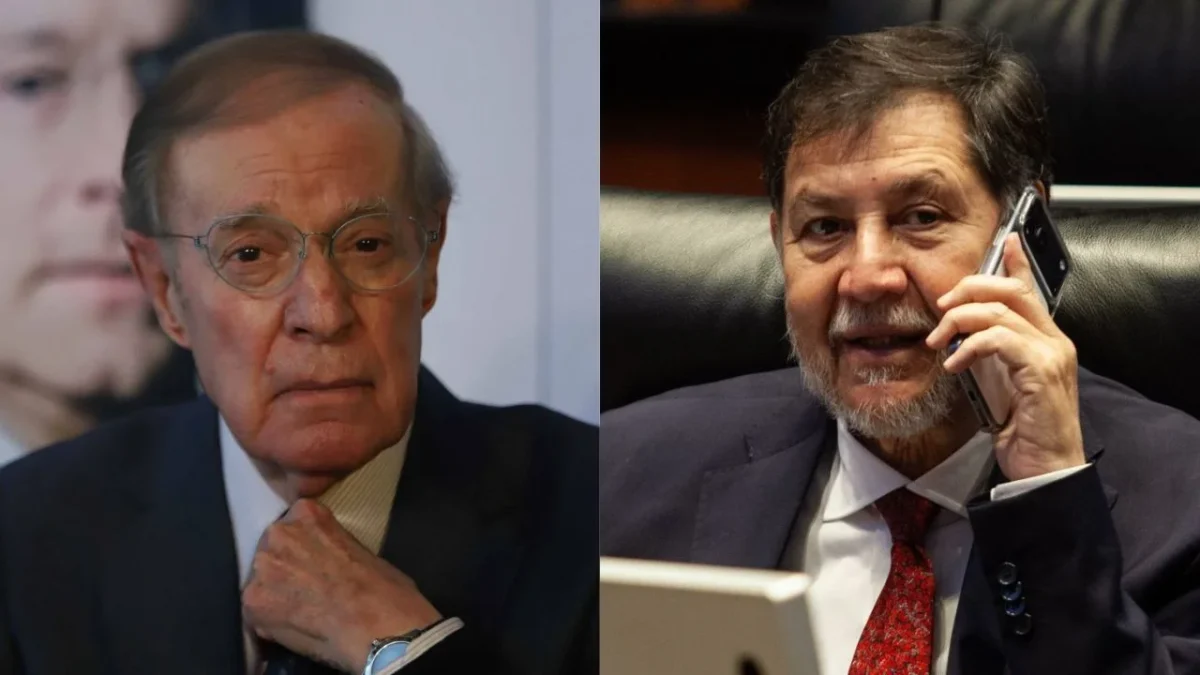
Senator Gerardo Fernández Noroña severely questioned journalist José Ramón Fernández after he described Mexico as a dictatorship in an interview. The legislator argued that in a real authoritarian regime there would not be the freedom to make such judgments against the federal administration.
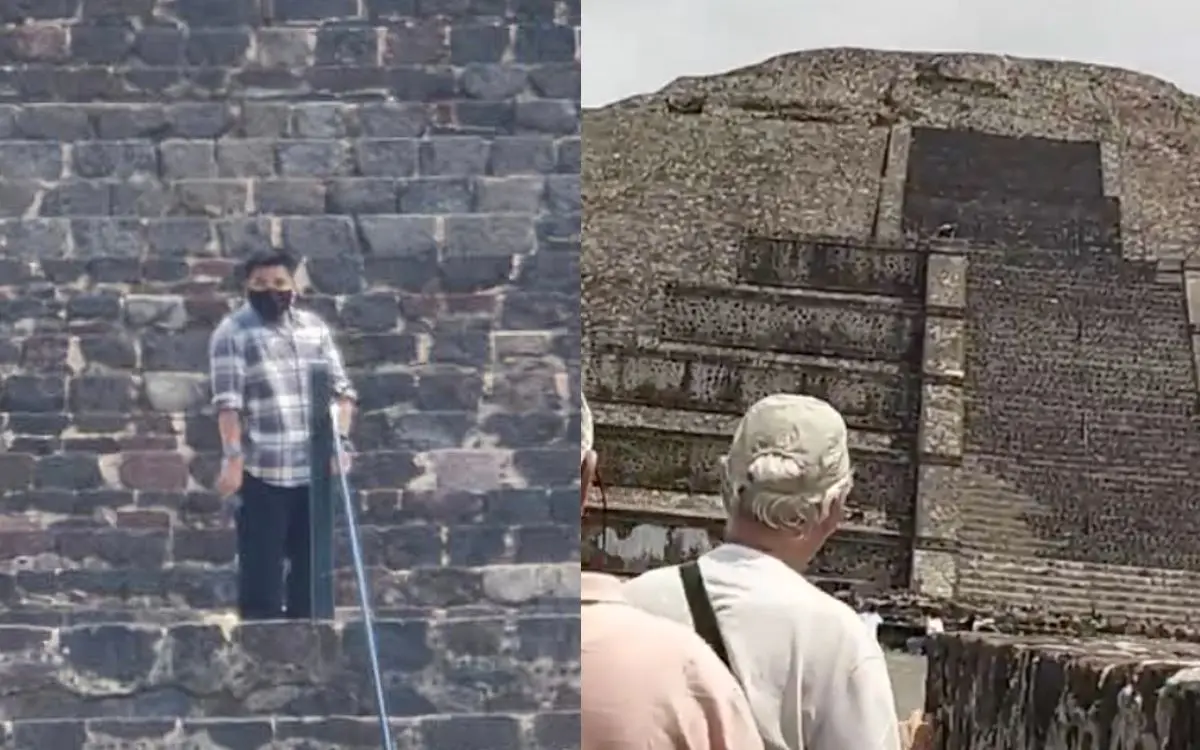
You may also be interested in: Shooting in Teotihuacán: the radical profile of the shooter of the Pyramid of the Moon
Clash of positions between the legislative power and sports journalism
The media tension was triggered by a talk between analyst José Ramón Fernández and journalist Carmen Aristegui. During the meeting, the sports specialist established a parallel between the country’s political management and the structure of Mexican soccer, using terms that generated an immediate reaction in government spheres.
The communicator stated that Mexico is a mirror of what happens in football, pointing out that the country is run in a dictatorial manner and that democracy has been displaced. These assertions caused Senator Fernández Noroña to use his digital platforms to refute the journalist’s narrative, emphasizing that the possibility of making such public criticism is, in itself, proof of the absence of a repressive system.
Rectification of José Ramón Fernández in the face of national controversy
Dictatorship is dictatorship, you wouldn’t dare say something like that if you lived in a dictatorship, @joserra_espn. https://t.co/0Lv3IziqCr
— Fernández Noroña (@fernandeznorona) April 20, 2026
After the impact of his statements, the sports analyst turned to his X account to clarify his position and offer a public apology. The journalist recognized a lack of terminological precision when using the word “dictatorship” to describe the current national context.
- Correction point: The communicator admitted that the term was used incorrectly during the interview.
- Criticism focus: The analyst’s real concern lies in the insecurity that affects millions of citizens.
- Problems in football: He pointed out the lack of counterweights, the opacity and the excessive concentration of power in sports institutions.
- Professional commitment: He stressed the need to be critical, but maintaining informative rigor and precision in language.
Despite this clarification, Senator Noroña maintained his critical stance, directly pointing out the journalist for what he considered a discursive excess that would have no place in an environment of state censorship.
Extension of the conflict to international figures and the Carlos Baute case
You are a racist, a classist and a miserable bastard; on top of that, cowardly and hypocritical, @carlosbaute. https://t.co/DkKs3r5khC
— Fernández Noroña (@fernandeznorona) April 20, 2026
The senator’s activity on social networks was not limited to the local level, since he also directed disqualifications towards the Venezuelan singer Carlos Baute. The conflict arose from a protest in Madrid, Spain, where the interpreter participated in slogans against the president of Venezuela, Delcy Rodríguez.
Although Baute published a video distancing himself from any discriminatory position and appealing to his Venezuelan origin and folkloric values, Noroña described the artist as “racist, classist and miserable.” The legislator accused the singer of acting with hypocrisy after the offenses made against the South American official. To date, neither the sports journalist nor the singer have issued new responses to the direct accusations of the Mexican senator.