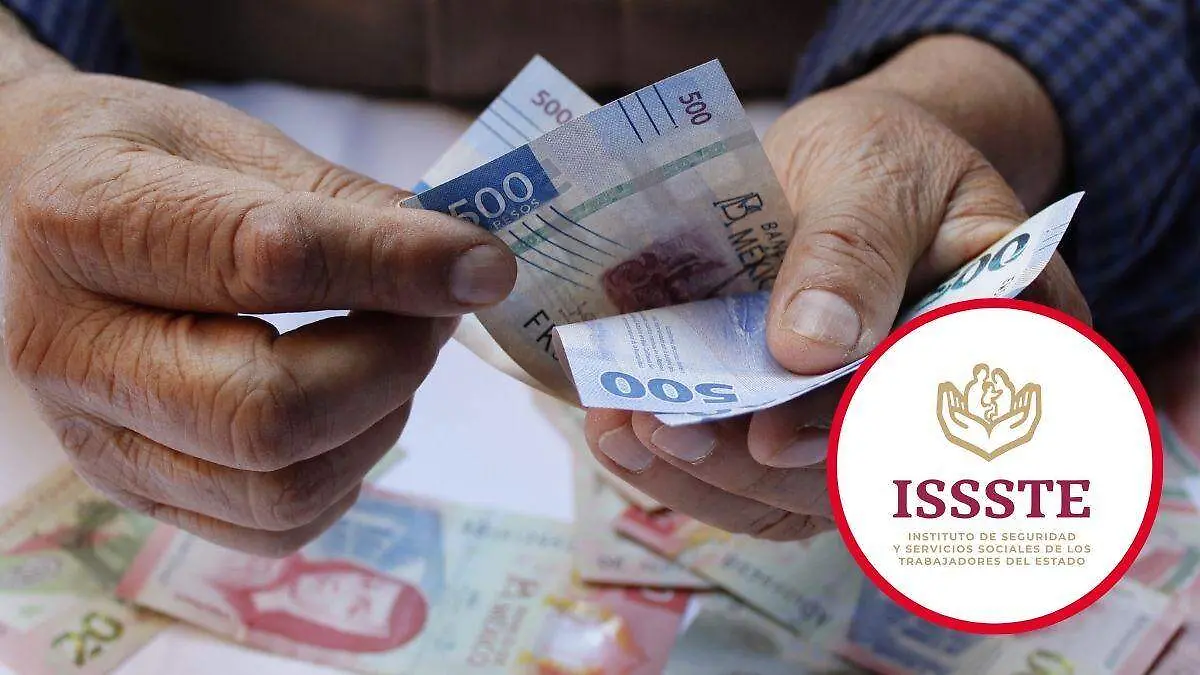
The ISSSTE ensures the financial well-being of 1.3 million retirees by advancing the deposit of the May payroll to Wednesday, April 29, 2026. This technical measure prevents interruptions due to the Labor Day holiday, guaranteeing immediate access to resources and stability in consumption.
You may also be interested in: El Niño thermal anomaly projects critical climate transformations by 2026
Operational continuity strategy against the banking calendar
The dispersion of resources scheduled for April 29 responds to logistical planning that transcends simple administrative compliance. By being executed 48 hours before the start of May, the institute establishes a protection mechanism for the flow of capital to beneficiaries. This decision is based on the proactive management of two critical variables that could compromise the financial functioning of older adults:
- Compensation systems and non-working days: Since May 1 is a mandatory break under the Federal Labor Law, traditional banking operations and transfer systems operate with restricted capacity. Advancement eliminates the risk of technical delays.
- Security and financial health protocols: The institute actively promotes the use of mobile banking. This recommendation seeks to mitigate physical crowding in branches, ensuring that the capital remains protected in digital accounts until the user decides to use it, reducing pressure on ATMs.
The 48-hour advance ensures liquidity before the total closure of systems (SPEI/ATM).
Technical Shielding
Avoid saturation of bank clearing systems during the mandatory break (LFT).
Financial Health
Encourage the use of mobile banking and scheduled withdrawals to mitigate crowding in physical branches.
`; } } const tagName = `continuity-viz-${Date.now()}`; customElements.define(tagName, ContinuityViz); const init = () => { const container = document.getElementById(ID); if (container && !container.innerHTML) { container.appendChild(document.createElement(tagName)); } }; window.addEventListener(‘load’, init); setTimeout(init, 500); })();
Structural evolution and solvency of the pension system
The punctuality observed in fiscal year 2026 is the result of a profound transformation in the architecture of social security in Mexico. The transition from the defined benefit scheme of the 1983 Law to the individual account system after the 2007 reform marked a milestone in liability management. Currently, the Mexican State allocates priority resources from the Federal Expenditure Budget (PEF) to resolve obligations with the so-called “Transition Generation”.
Unlike the final decades of the 20th century, where instability and liquidity shortages were recurrent, the consolidated digitalization since 2018 allows precise coordination with the Treasury of the Federation (TESOFE). This technological infrastructure guarantees massive dispersions with minimal margins of error, turning calendar certainty into a pillar of social peace and institutional trust.
Financial perspectives for the closing of the semiannual cycle
The injection of capital prior to the end of the month generates a stabilizing effect on the domestic economy of households that depend on these benefits. Rigorous compliance with this schedule is projected to strengthen the perception of solidity in the social security system. In the immediate horizon, the ISSSTE keeps under monitoring the update of pension amounts, which will be adjusted according to the trajectory of the National Consumer Price Index (INPC) registered during the first quarter, ensuring that purchasing power is not eroded in the face of inflationary dynamics.
Impact analysis on the nodes of the financial ecosystem
Efficiency in the distribution of funds affects various sectors with different levels of responsibility and operational response:
- Pensioners and beneficiaries: They receive a direct impact on their ability to pay to cover basic needs. Its risk status is classified as low due to official confirmation of the flow.
- Commercial Banking: They act as the receptors for mass dispersal. They face a moderate risk that requires efficient cash management in the ATM network to avoid shortages during the long weekend.
- Government Entities (ISSSTE/TESOFE): They maintain responsibility for administrative solvency. The current status is controlled, meeting the budget management goals established for the semester.
Payment logistics has been consolidated as a fundamental indicator of the administrative health of the public sector, where the technical execution capacity translates directly into social protection for the passive sector of the population.