The UN High Commissioner for Human Rights, Volker Türk, began a strategic mission in Mexico, meeting with civil organizations and families of missing persons to integrate their demands into the international agenda and demand strong responses from the Mexican State in the face of systemic violence and impunity.
You may also be interested in: Road guide and road blockages for this Monday, April 20
Diplomatic mission in the face of the human rights emergency
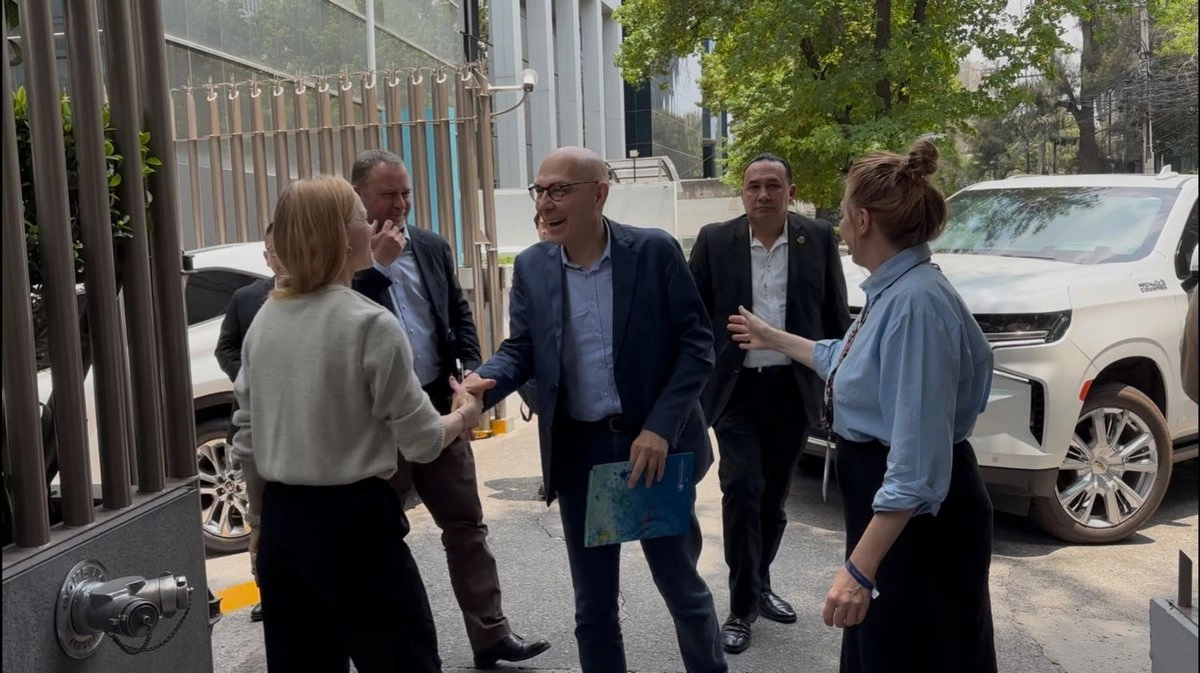
Volker Türk’s official visit to Mexican territory began this Sunday with a priority objective: to establish a direct channel with the actors facing the security crisis on the ground. The High Commissioner arrived at the United Nations facilities in Mexico City just after noon to lead a high-level meeting with a diverse coalition of defenders and search groups.
This session represents a turning point in international supervision, as it seeks for the highest UN authority on the matter to receive first-hand testimonies about the panorama of violence that the country is going through before formalizing dialogues with government structures.
Coalition of organizations and critical axes of the meeting
The call brought together the groups with the greatest experience in strategic litigation and victim support. Among the participants are representatives of:
- Documenta and Fray Juan de Larios Center.
- Miguel Agustín Pro Juárez Human Rights Center (Prodh Center).
- Amnesty International and Tlachinollan.
- Movement of People with Disabilities and Foundation for Justice.
Specialists from Serapaz, Fundar, Idheas, Intersecta, and the International Peace Brigades joined the work table. The presence of the National Network of Indigenous Lawyers and the World Organization against Torture was also registered, forming a broad front that covers everything from forced disappearance to freedom of expression.
Advocacy agenda: disappearances and rule of law
The dialogue was structured through designated speakers to present technical diagnoses on critical areas. The narrative of the meeting focused on the fragility of the rule of law and the persistence of torture as an institutionalized practice.
“The idea is that these groups of organizations can position the issue and leave evidence of concern about what is happening in Mexico regarding issues that are not on the government’s agenda,” said Dora Robledo, a member of the Fray Bartolomé de Las Casas Human Rights Center (Frayba).
The citizen demand is clear: the High Commissioner must act as a forceful interlocutor that demands that the Mexican authorities comply with their obligations and provide immediate attention to complaints that have been systematically ignored by the Executive.
Strengthening the international mandate in Mexico
The relevance of this visit transcends the documentation of cases; This is an institutional survival strategy for supervisory agencies. Olga Guzmán Vergara, head of the Americas region, stressed that this rapprochement with civil society is vital before Türk meets with President Claudia Sheinbaum Pardo.
Sensitivity to the experience of those who carry out litigation and accompaniment on the ground must be reflected in the final mission statement. There is a latent risk of dismantling human rights offices globally, and the headquarters in Mexico remains one of the last bastions with operational relevance. The strengthening of this mandate is essential in the face of the regional trend of reducing international observation spaces.
Expectations after the dialogue behind closed doors
The meeting, with an estimated duration of two hours, marks just the beginning of an agenda that includes meetings with various social and political sectors. The organizations hope that the UN’s position is not merely protocol, but rather that it becomes a tool of political pressure so that human rights cease to be a peripheral issue and become the guiding axis of security policies in Mexico.