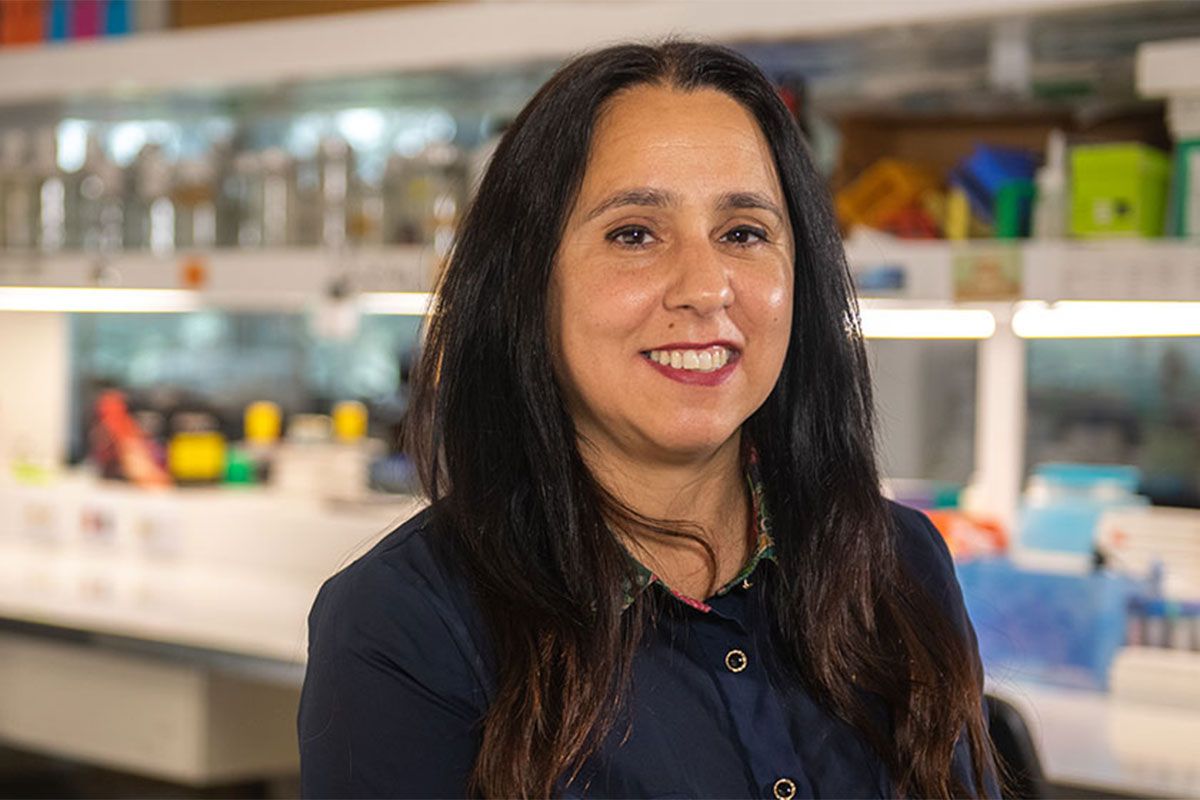
It seems like an eternity, but it has only been six years since the start of Covid-19. A pandemic that marked the world and the first years of the Frente de Todos period with fire, and that left traces that still last socially, healthily, politically (one might think that without the pandemic Milei would not have exploded). And in science. Just six years of those moments in which vaccines were desired by society, which applauded doctors, which valued researchers. Today reality shows defunding, cuts, dismantling. If there is someone who knows about the subject and who became a synthesis of science and health, it is Juliana Cassataro. Doctor in Biology, immunologist and researcher at the National University of San Martín and Conicet, she became the leader of a unique project in the middle of the pandemic: developing from scratch the first Argentine vaccine in history and the first in South America against SARS-CoV-2.
In dialogue with TimeCassataro remembers how he lived that period, what it was like to design the ARVAC Cecilia Grierson vaccine. And from the past to the present, he also gives his opinion on the adjustment that the national government is carrying out in the scientific and university system: “We need it to be state policy. If not, we are hostages to the management changes.”
-What do you remember from the first months of the pandemic?
-There was a lot of uncertainty, everyone wanted to know what was happening. As a scientist I can say that it was the first time that we encountered a problem that had to be investigated, and a solution found on the fly. If there had not been scientists in the world working with vaccines for 20 years, it would not have been possible to advance so quickly.
-How did you receive the proposal to develop the vaccine?
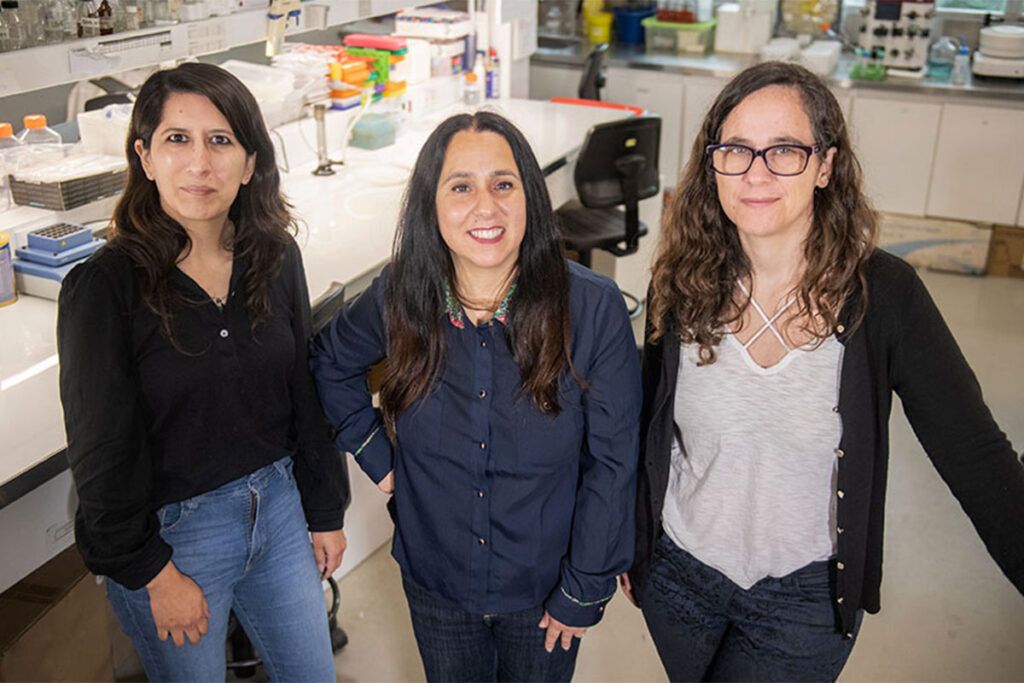
-The first time the topic was discussed was at a meeting of the National Ministry of Science. Later, we presented a proposal to design the prototype to “Ideas Proyecto” and received 100 thousand dollars to carry it out. We were always cautious, in science you cannot guarantee that something will work. It’s trial and error. So, we tried to tell the media what was fair and necessary because we did not want to generate people’s expectations about something that might not work out. Finally, with the support of the R+D+I Agency, we closed an agreement with the Cassará Laboratory. Only when we obtained good results from the phase I study in humans did I see this development as possible.
-Did you realize that you were making the first Argentine vaccine?
-Yeah. And it made me angry. I thought: “How can this be the first time? This should have been done before.” In Argentina we have a lot of capacity to do science: we have a good pharmaceutical industry, the possibility of doing clinical trials, excellent doctors and researchers. Why did we wait until there was an emergency context to develop a vaccine and we did not do it in time? Now it has been demonstrated that we have a network of professionals, both from the public and private sectors, who know how to carry out a development of this size.
-What do you think about the link with the private sector?
-There is a synergistic work that is crucial. The university allowed us to do the preclinical development of the vaccine, but testing, certification and industrial-scale production require the pharmaceutical industry, which has other capabilities. If a good agreement is reached between the public and private sectors where the State, Conicet and universities collect royalties for the work, something very good can be done.
-How is the vaccine being applied?
-It is in pharmacies and vaccination centers at a super affordable price, about $23 thousand. However, the most frustrating thing for me is that neither the previous nor the current government, for now, decided to buy it. My dream is that the vaccine is accessible from the State to the entire society.
-How important are immunizations for society?
-They are fundamental. They cost money, but they drastically reduce hospitalization cases, health expenses, long-term problems for the population and deaths. Immunization prevents around five million deaths a year from diseases. The issue is that it is not an individual decision, but a collective one. If a boy does not apply any dose and transmits the virus to another who has a lower immune response, the contagion will surely affect him worse. We must get vaccinated to take care of ourselves and others.
-Did the pandemic leave traces on society?
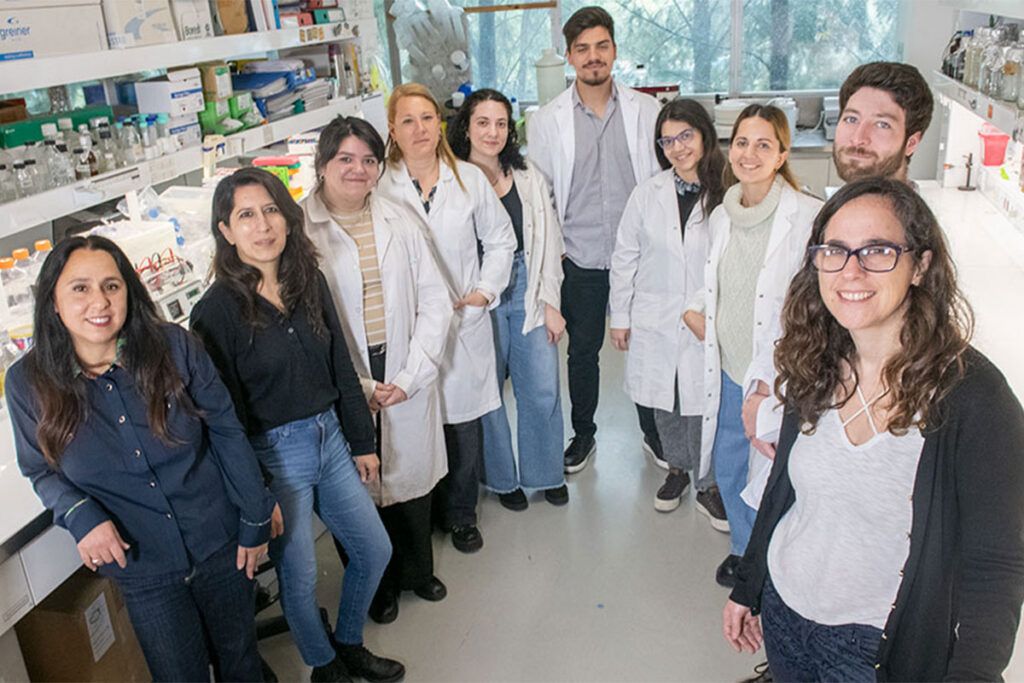
-Yes, some bad and some good. I did not expect the misinformation and fear of vaccines. I don’t know how we went from applauding doctors to not believing in anything, not even immunization. However, the ARVAC Cecilia Grierson project also made us see that it was possible to make such a development. We still have excellent professionals and facilities capable of carrying out something as complex as creating a vaccine from start to finish.
-Municipalities and provinces such as PBA and Córdoba reported that the national government cut the supply of vaccines. What role does the State have in an issue like this?
-It’s key. The State cannot leave something that belongs to the entire community in the hands of individuals. You have to promote your application, carry out immunization campaigns and be present everywhere. In addition to the cut, there are people who do not want to apply them. This doesn’t just happen in Argentina, it happens everywhere and it is due to the misinformation that exists. It is the responsibility of the State to inform appropriately.
-How do you experience the cuts in science?
-I can’t believe it. At first I said “this is going to happen” but today I can’t believe that the adjustment is so profound. I got my doctorate in 2003, while I was doing my thesis I went through the crisis of 2001. Even having lived through that, I can say that nothing like this has ever been experienced. There is no horizon.
-Does the government speak?
-After two years, there was recently a call from the R&D&i Agency for “Research Support” subsidies. But, beyond that, we have had almost no opportunities. The problem is that this affects our salaries and research because we depend on these subsidies to be able to carry them out. Nor is there a call to devote ourselves to certain lines of research, there is directly silence.
-There is also a brain drain.
-Yes, particularly the interns. They are the ones who earn the lowest salaries, so they don’t have enough to live on and they go to work somewhere else or do research abroad. It is very sad because our human resources are of high quality and we have been building research for years that is being destroyed very quickly.
-Something similar is happening with universities.
-The feeling is the same. Teachers go to work at private universities or work several jobs at the same time to make ends meet. It is very sad because, in the case of biotechnology particularly, we are training professionals who are recognized by both the public and private sectors and it is very painful that the education of these people is dismantled.
-What do you want for the scientific and university system?
-That it is state policy. If not, we are hostages to management changes and it ends up being a model that does not build anything.
A new attack against science
The Milei government launched a new attack on science, against organizations such as the National Meteorological Service (SMN), the INTI, the National Atomic Energy Commission (CNEA) and the ANLIS Malbrán. This is what the Federal Committee for Science and Technology denounced: “Without arguments to justify it, they attack four organizations with decades of experience, dismembering national capabilities in strategic and sensitive areas.”
At the SMN they have just laid off 140 highly trained professionals.
At the INTI they canceled more than a thousand key industrial services for SMEs and large companies, “affecting certifications, technical assistance, quality tests, food and productive innovation processes.”
At the CNEA, a deep cut was applied to research and development programs, paralyzing strategic projects in the nuclear, energy and medical fields. In Malbrán the government promoted a strong “restructuring” that included the closure of areas, the dissolution of institutes and the merger of agencies.
Universities remain without funding
Javier Milei’s government has not complied with the University Financing Law for 180 days. Although the regulations were approved, ratified by Congress after the Executive’s veto and endorsed by Justice for its implementation, the Executive does not seem to care. The impact is directed directly at the salaries of teachers and non-teachers and at the students’ ability to study. The deadline for paying the funds expired on Friday, but instead the government presented an extraordinary appeal to suspend the Law. The Treasury Attorney General’s Office made the presentation to the Court of Appeals and would then go to the Court. Until it is decided, the Executive has the obligation to begin the transfers.
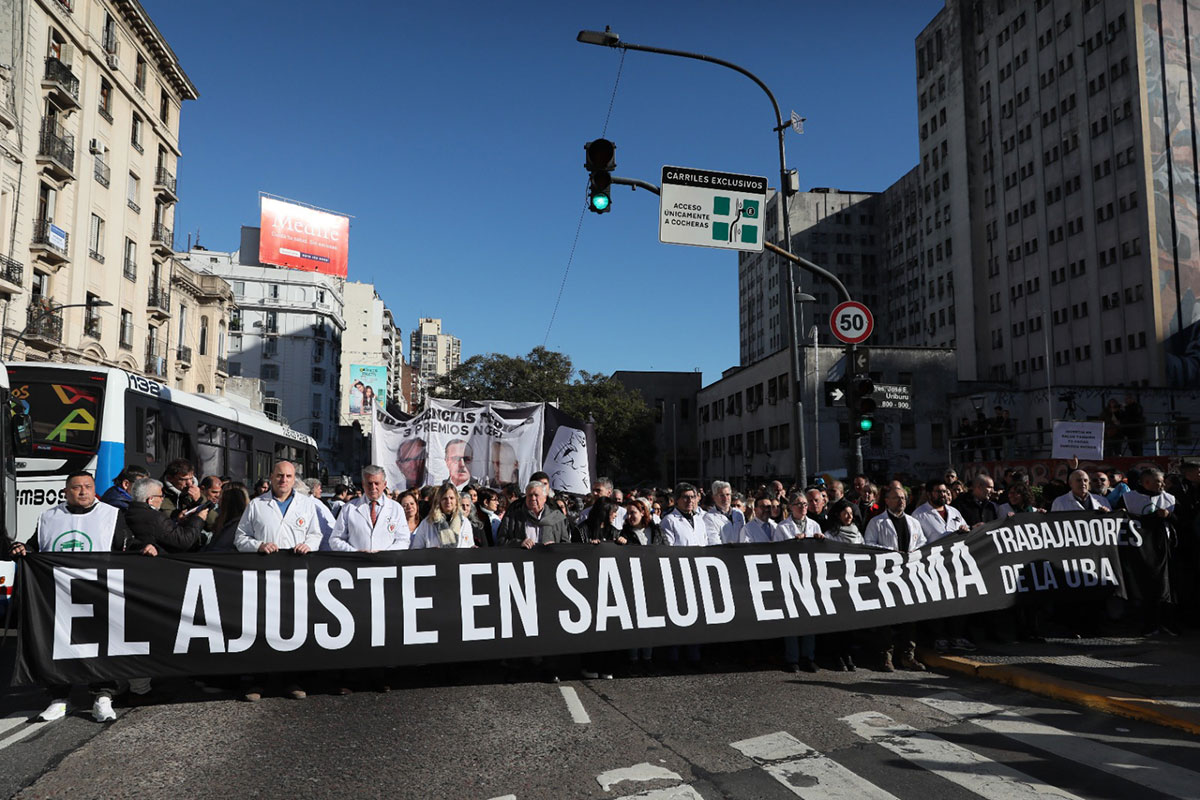
According to a CEPA report, the budget allocated to the higher sector fell by 45.6% from 2023 to the present. Furthermore, only the salaries of full-time full-time teachers and novice teachers with category 1 and 2 (the highest salaries) reach the Total Basic Basket. The rest are below the poverty line. And many, destitute. As forceful measures, the universities began the semester with weeks of strike and this is expected to be repeated in the coming months. In recent days they carried out the event “The university does not turn off” to make activities visible, such as research and extension. In the case of the UBA, health services such as dentistry and ophthalmology and public classes were offered. At the National University of Quilmes there were talks and film screenings about the Malvinas, and at Hurlingham there were music workshops, public classes and orchestra concerts.