With the imminent arrival of the first cold weather, a question is repeated in millions of homes: What system should be used to heat without the bill going up? Between gas stoves—with and without balanced draft—, hot/cold air conditioners and electric heaters, the difference in costs can be significant and, in some cases, decisive for the pocket.
The short answer is clear: gas remains the most economical option to heat sustainably in Argentina. However, there are important nuances that should be taken into account before choosing.
Gas: the king of low cost, with one key condition
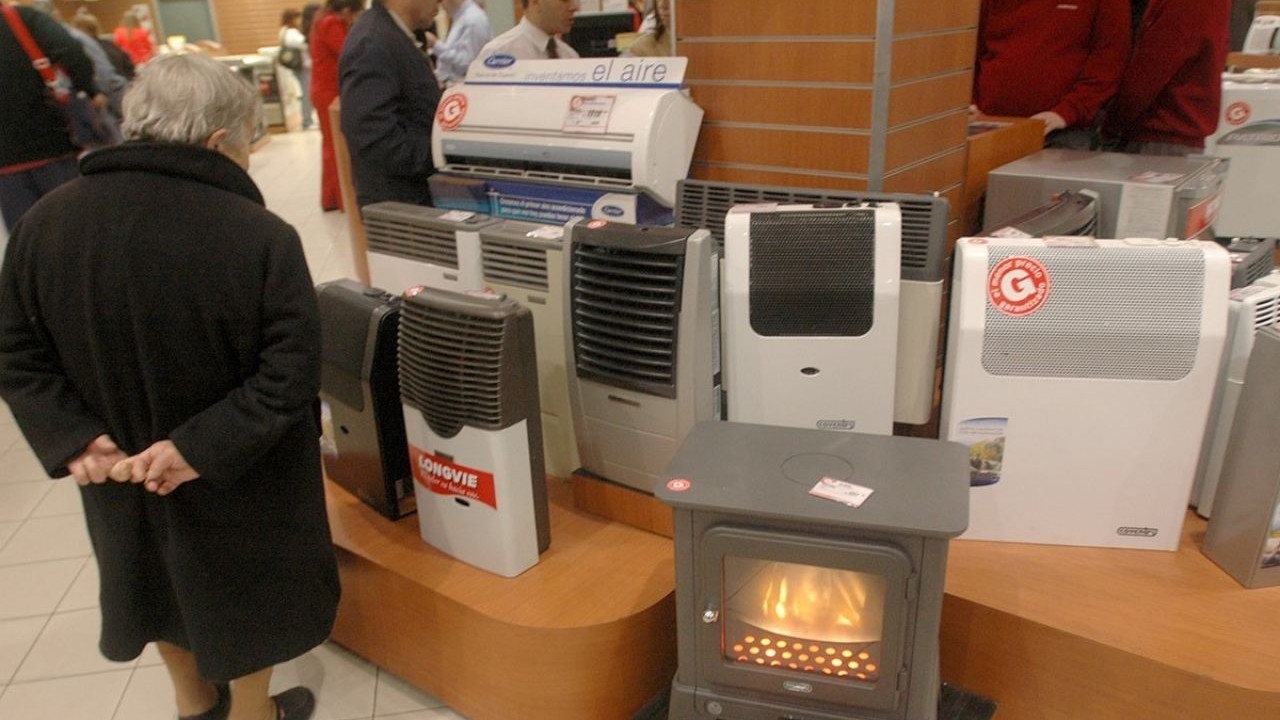
Gas stoves continue to be the cheapest alternative for heating medium and large rooms for several hours a day. This is explained by a structural issue: even with tariff increases, natural gas remains more accessible than electricity in terms of cost per unit of heat generated. Within this category, there is a central difference:
- Balanced shot: It is the safest and most efficient option. It takes in air from the outside and expels gases out of the environment, avoiding the risk of carbon monoxide poisoning. In addition, it does not consume oxygen from inside the home.
- Without shot (screen or catalytic): They are cheaper in the initial purchase, but require permanent ventilation. They consume oxygen, generate humidity and present greater risks if not used correctly
For those looking to heat the house throughout the winter, the conclusion is direct: A gas stove with balanced draft combines low operating cost and greater safety.
Air conditioning: efficient, but not always the cheapest
Hot/cold equipment, especially inverters, has gained ground in recent years. Their main advantage is energy efficiency: they work like heat pumps, which allows them generate more heat than the electrical energy they consume. In technical terms, they are the most efficient system. However, in Argentine practice, the final cost depends on the electricity rate and usage.
Among its advantages are:
- The lowest relative consumption compared to traditional electric stoves
- Its double function
- The greatest operational security
But they also have limitations, because Its efficiency drops on days of extreme cold, In addition, electricity is more expensive than gas and requires a higher initial investment. Therefore, although they are an excellent option in homes without gas or for moderate use, they are not always the most economical alternative on the monthly bill.
Heaters: the quick solution that can be expensive
Portable electric heaters and stoves are usually the first response to the cold due to their low purchase cost and ease of use. However, they are also the least efficient in economic terms. They work by converting electricity into heat directly, without taking advantage of efficiency mechanisms such as heat pumps. The result is high consumption and bills that can escalate quickly if used continuously.
They are useful for small environments, especially for occasional use, but not for heating an entire home. In that case, they become the most expensive option on the market.
How much does it cost to install each system
When choosing, not only the monthly expense matters: the installation cost also weighs a lot.
Gas stove (balanced draft):
- The cost of the equipment varies between $300,000 and $900,000 depending on power and brand
- The installation ranges between $150,000 and $400,000
- To the above, extras must be added such as exit to the outside, pipes or adaptations that can make the total more expensive.
- In short, the total estimated cost ranges from $450,000 to $1,300,000
Hot/cold air conditioning (inverter):
- The cost of the equipment depending on the capacity ranges from $700,000 to $1,800,000
- The installation ranges between $200,000 and $500,000, to which other expenses are added depending on its location in the house or the electrical work that must be carried out.
- So the total estimated cost is $900,000 to $2,300,000
In both cases, the values may vary depending on the complexity of the installation and the region, but they make a clear difference: Air conditioning requires a higher initial investment.
The invisible factor that defines spending
Beyond the chosen system, there is a point that is often overlooked and that can completely change the equation: the insulation of the home, since air leaks, unsealed windows or uninsulated ceilings can trigger energy consumption. In many cases, Improving insulation allows you to reduce heating costs by up to 50%, regardless of the equipment used.
What is appropriate according to each case
In practice, the most efficient choice usually combines different systems:
- Main rooms (living room, dining room): gas with balanced draft
- Bedrooms: gas or air conditioning depending on use
- Small spaces or occasional use: heater
For those who do not have access to natural gas, inverter air conditioning appears as the best alternative within the electrical universe.
In short, with the current tariff schedule, which does not give respite to the pocket, heating is once again a central issue in the home economy. Today, gas remains the cheapest option for intensive use, while air conditioners offer efficiency and versatility. At the other extreme, heaters are relegated to occasional use. But there is a key that runs through them all: Without good insulation, any system will be more expensive than necessary.