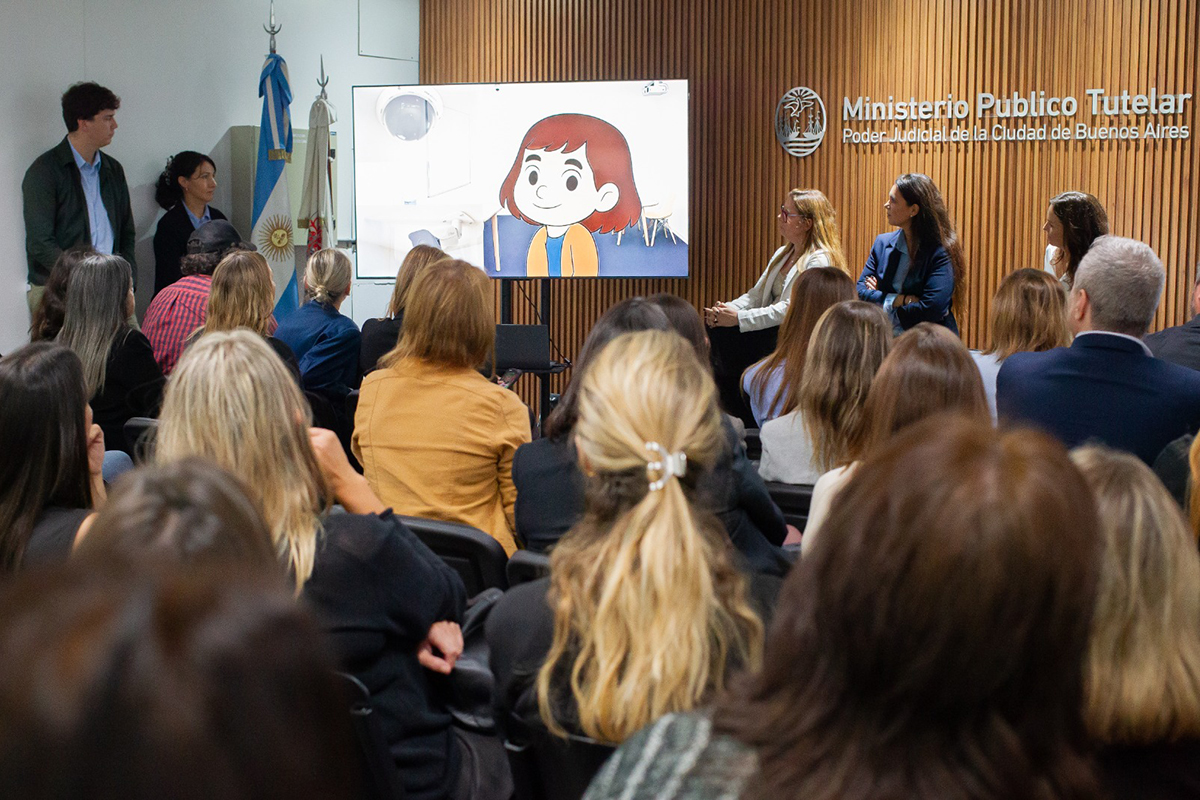
The Public Guardianship Ministry of the Autonomous City of Buenos Aires (MPT) developed a series of anticipatory audiovisual materials aimed at girls, boys and adolescents with the aim of facilitating their understanding of what will be a part of the judicial process: their testimonial statement in the Specialized Interview Room (SEE), known as the Gesell Chamber. In this way, an experience that respects your rights is promoted.
The proposal consists of a virtual tour that provides clear and accessible information. All the material has been adapted to different ages and the degree of maturity of the children and adolescents (NNyA). Through these videos, the place, the people who will receive it and the professionals who will intervene are anticipated, as well as how the interview will develop. In this way, it helps reduce uncertainty and provides greater predictability.
In line with a child-centered justice approach, the initiative seeks to minimize possible situations of revictimization, favoring informed and accompanied participation.
Since the opening of this specialized interview room in April 2018, a maximum of 4 interviews were conducted per day. So far a total of 2,774 boys and girls between 3 and 17 years old have attended. According to data collected by the MPT, during 2026, 10.3% of the children who attended the SEE had some disability.
An inclusive project
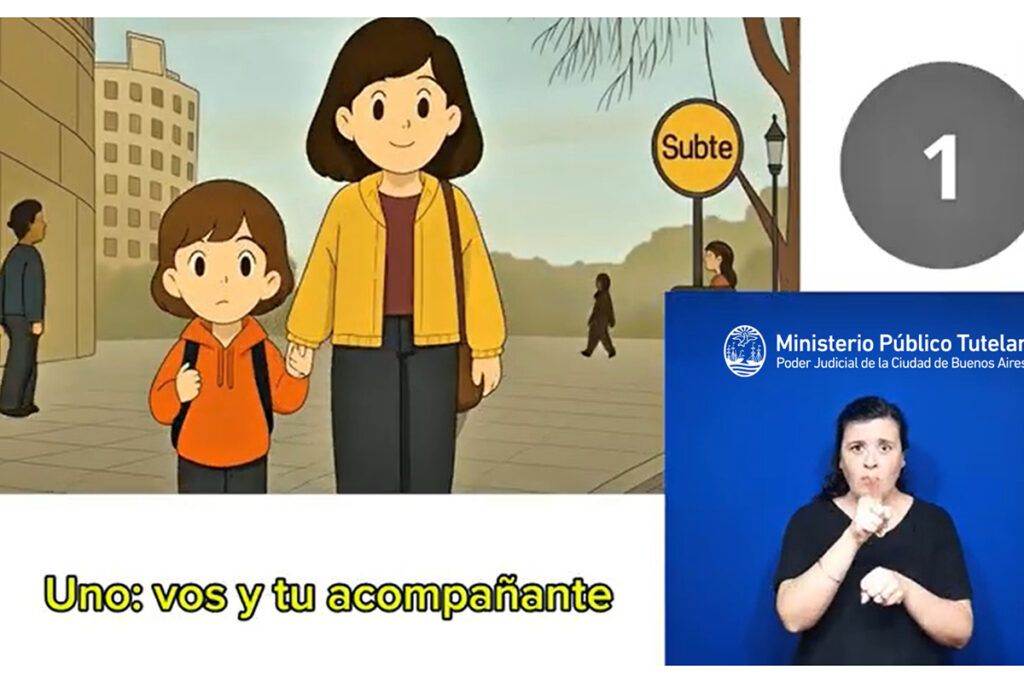
The project was developed in coordination with civil society organizations linked to the rights of people with disabilities, within the framework of the principle of non-discrimination and with an institutional commitment to accessible justice.
For its design, instances of consultation, validation and collaboration were carried out with leading entities on the subject such as: ASDRA (Down Syndrome Association of the Argentine Republic), Brincar-for a happy autism foundation, Visibilia Foundation, Disability Observatory of the Judicial Council of the CABA and the LSA interpreter of the Observatory of the Judicial Council, RALS (Legal and Social Assistance Network), Select Civil Association and the Argentine Society of Pediatrics through the Disability Committee.
The videos aim to provide information in clear and accessible language for the girls, boys and adolescents who were summoned to testify in the Gesell chamber of the MPT. This tool, prior to taking a testimonial statement and expert evaluation, allows us to reduce uncertainty, provide predictability and minimize the impact that exposure to the judicial system can generate.
The audiovisual format favors comprehension, especially in the face of difficulties in reading texts, and integrates various resources such as voice, animated images, photographs and subtitles, among others. In addition, it allows autonomous viewing, being able to pause, repeat and adapt to the rhythm of each NNyA. The coordinator of the SEE MPT, Denise Benatuil, expressed: “the audiovisual material was developed with the aim of reducing the stress that the interview can generate, favoring participation and the possibility of them being able to relate what happened.”
What do the videos have?
It includes a description of the building, the entrance, the people who will receive those children and adolescents who have to declare and even the possibility of being accompanied by Therapy Dogs for Legal Assistance. There is also a presentation of the team of specialized psychologists and an explanation of how the interview will take place.
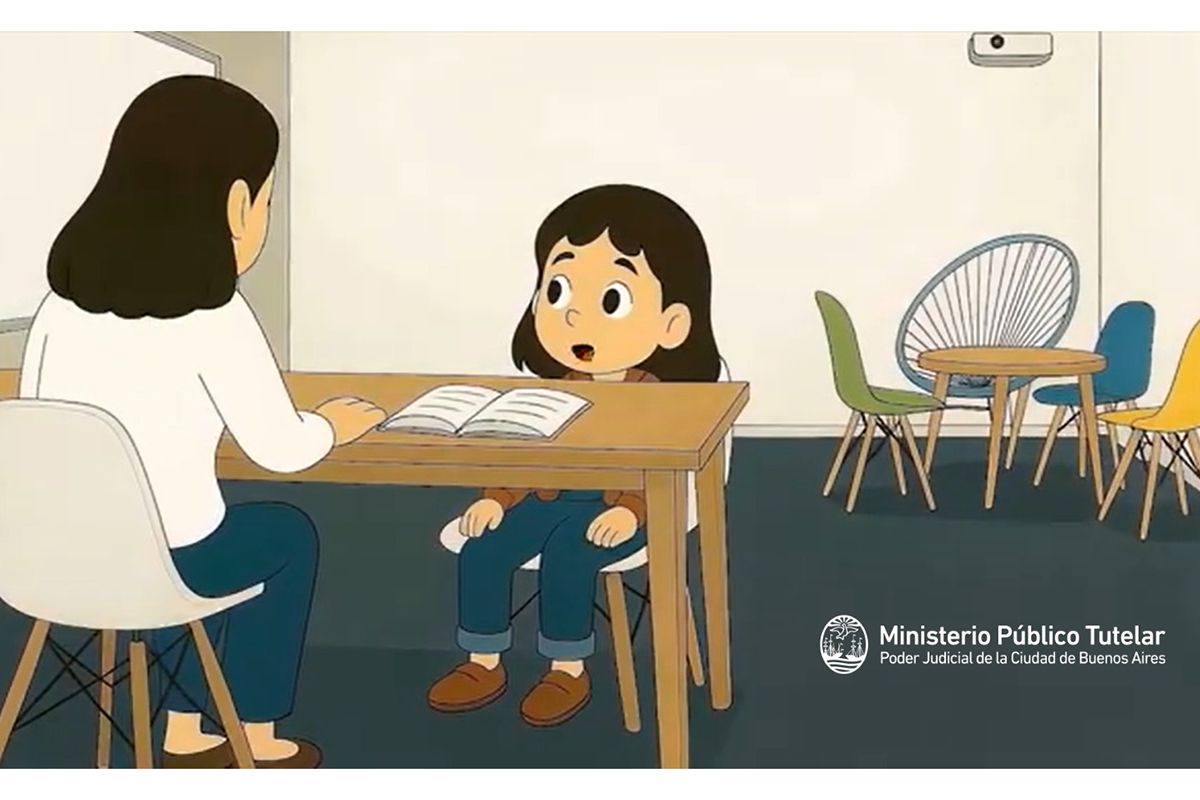
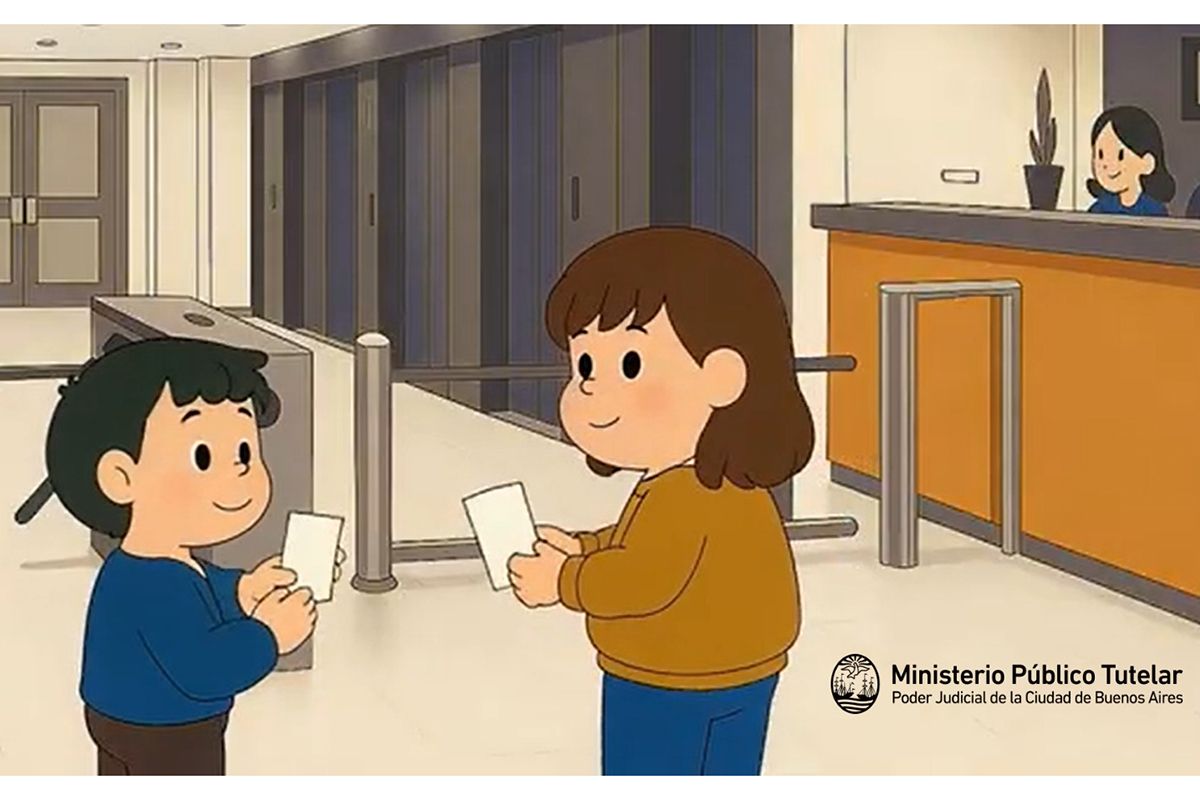
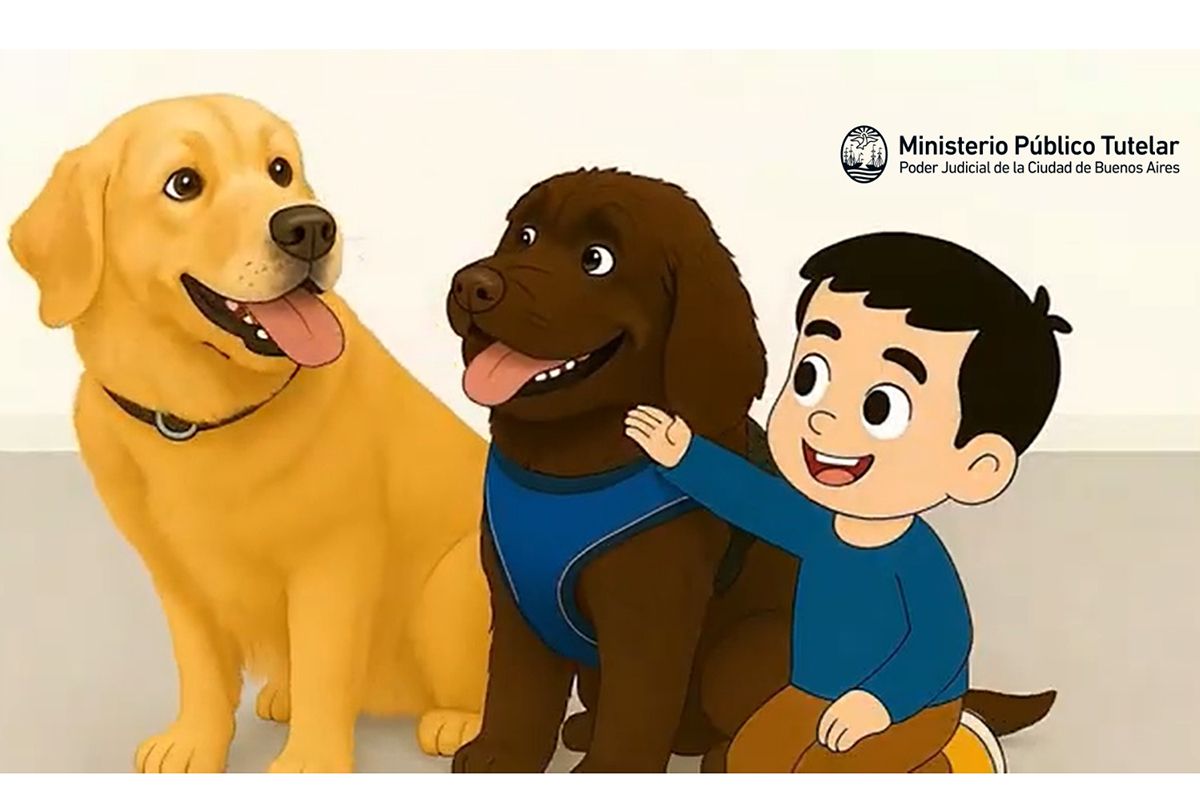
Each video will be available on a digital platform and will be sent along with the summons to the adult.
The material was developed under accessibility principles, incorporating adaptations and supports for girls, boys and adolescents with disabilities, such as: clear language, subtitling, pictograms, interpretation in Argentine Sign Language (LSA) and social stories (short, structured stories that help anticipate situations and understand what is going to happen, providing greater security and predictability).