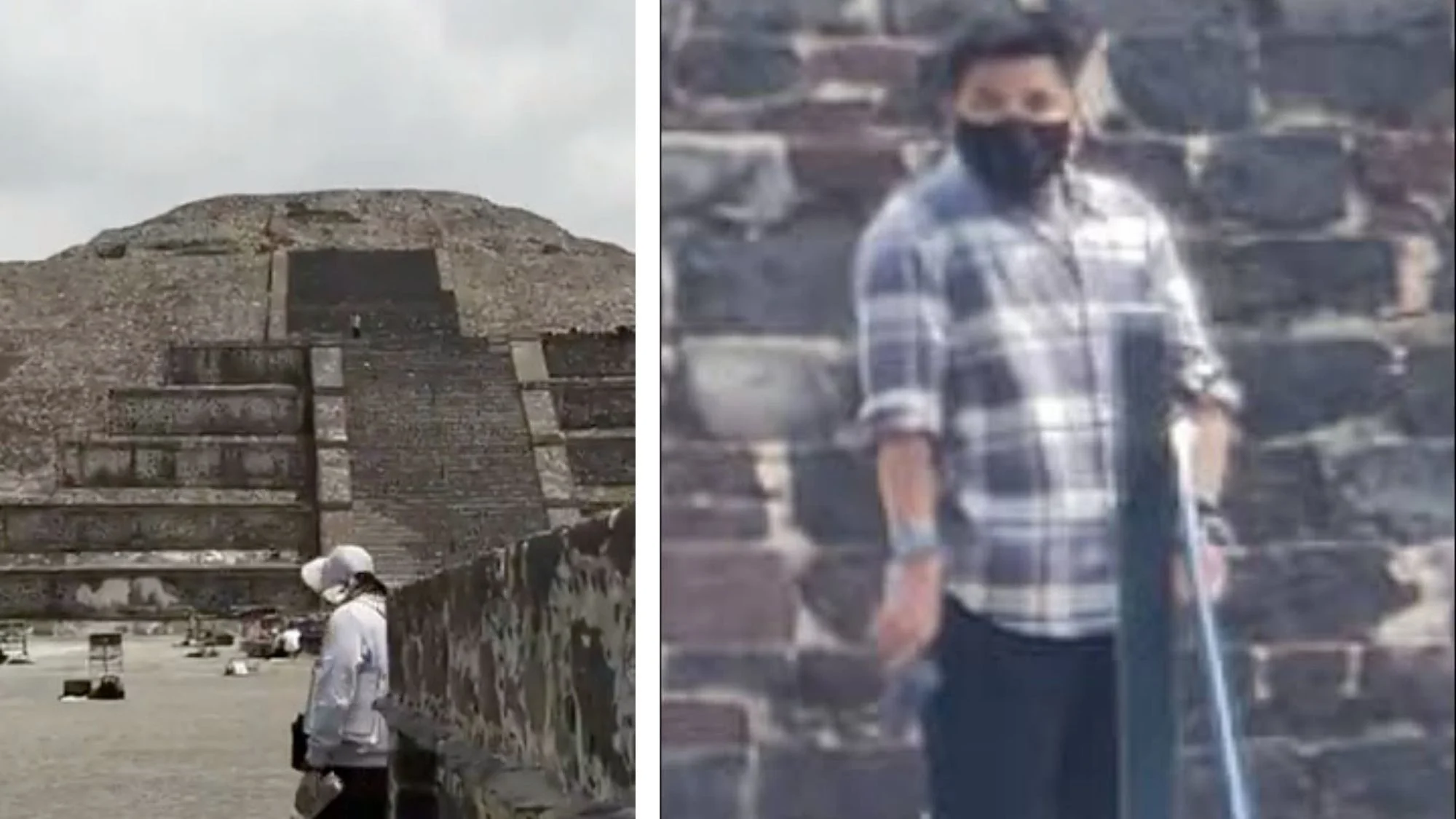
The assault with firearms in the Pyramid of the Moon on April 20, 2026 leaves two fatalities and dozens of injured, exposing the vulnerability of surveillance protocols in federal facilities and compromising the stability of the tourism sector in the Valley of Mexico.
You may also be interested in: Claudia Sheinbaum demands to lower the price of diesel and summons gas stations
Asset vulnerability to the advance of criminal violence
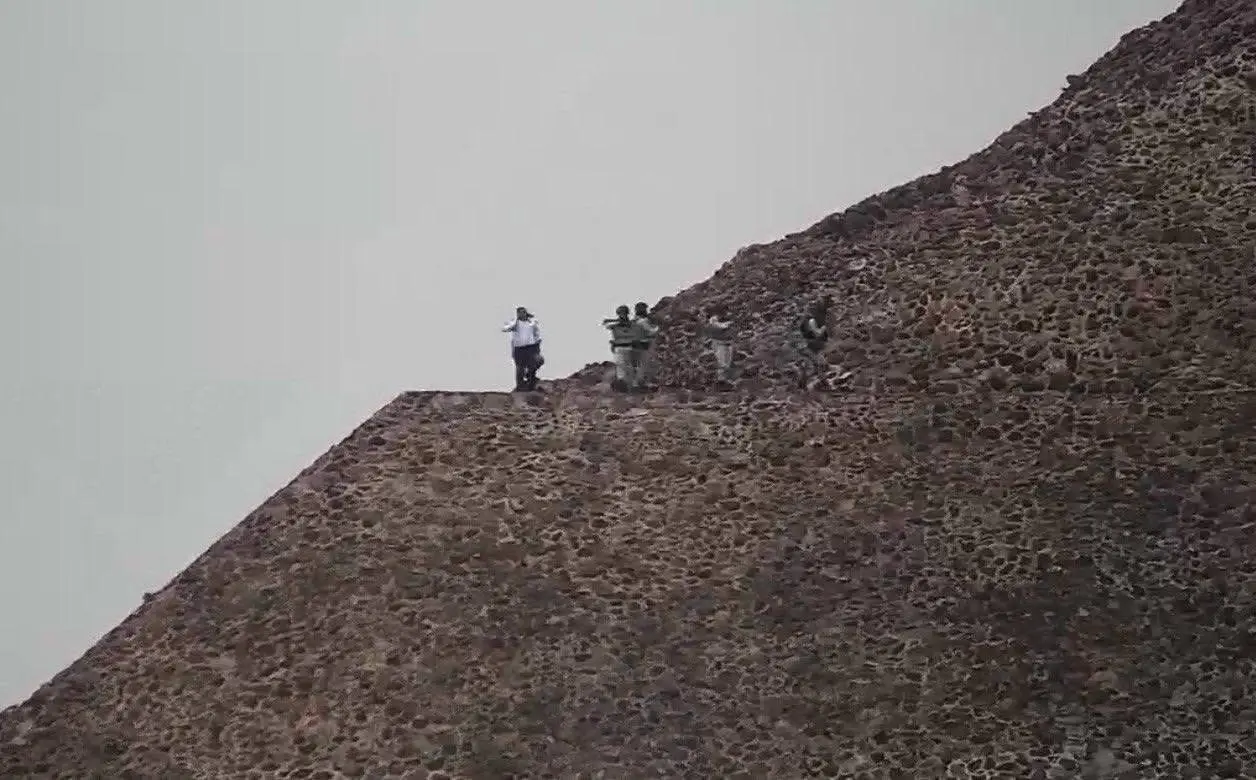
The Teotihuacán Archaeological Zone recorded an unprecedented tragedy this Monday morning. An armed individual managed to bypass the perimeter security filters to climb the Pyramid of the Moon. From the top of the monument, the aggressor began a flurry of indiscriminate shots against the visitors present in the Plaza de la Luna and the Calzada de los Muertos.
The initial balance of the authorities confirms the death of two people and five injuries from projectile impacts. However, the number of injuries rises significantly: between 15 and 20 people suffered trauma resulting from accidental falls and human stampedes. Panic gripped the tourists, who in a desperate attempt to get to safety, abruptly descended from the monumental structures.
Breaking of surveillance fences in federal facilities
This event calls into question the operational effectiveness of the National Institute of Anthropology and History (INAH) and the federal forces assigned to guard the site. The ease with which high-powered weapons were introduced into a mass flow facility shows critical flaws in preventive intelligence and access control.
It is contradictory compared to local statistics; The municipality of Teotihuacán had reported a 36% reduction in high-impact crimes during the first quarter of 2026, under the “Peace Table” scheme. The attack violates the sovereignty of one of the most relevant cultural heritages in the world, whose theoretical protection falls on the National Guard.
Escalation of insecurity in the Valley of Mexico
The region is going through a period of high tension due to the activity of criminal cells such as “Los Malportados” and “La Chokiza”. Although on April 6 the Mexican Army began training 7,000 elements focused on security for the 2026 World Cup and the protection of tourist areas, criminal tactics have mutated.
The groups that generate violence have shifted their objectives to points of international visibility. This strategy seeks to challenge the narrative of state pacification, attacking centers that symbolize Mexico’s institutional stability abroad.
Immediate impact and operational restrictions
The operation of the site and the regional economy face the following direct consequences:
- Indefinite Closure: Tourist activities are suspended while the Attorney General’s Office of the State of Mexico (FGJEM) and the Attorney General’s Office (FGR) carry out ballistics reports.
- Protocol Hardening: The INAH and the Ministry of Culture evaluate the installation of permanent metal detectors and the definitive prohibition of climbing pre-Hispanic structures.
- Reputation Crisis: The hotel and commercial sector anticipates a wave of cancellations. The flow of foreign currency for the second quarter of the year is at risk due to the perception of insecurity in a pillar of cultural tourism.
Historical context: from sacred cult to military control
Teotihuacán, consolidated as a ceremonial center between the 1st and 7th centuries AD, has gone from being an archaeological reference to a fundamental geopolitical asset. In the past, security challenges were limited to combating the looting of pieces or the natural wear of the stone. However, the degradation of the social environment in the State of Mexico during the last decade has forced progressive militarization.
The current situation derives from the collision between the economic opening necessary for the region and the pressure of criminal organizations that operate in the Acolman-Teotihuacán-San Martín corridor. The dispute is no longer limited to the control of shopping malls or street vendors; The current event marks a transition towards high-impact actions that seek to destabilize the image of the State at a global level.
“The explosions were heard and people began to roll down the stairs; we didn’t know whether to run or lie on the floor because the shots were coming from above,” said a witness after the deployment of law enforcement.
Those directly affected include national and foreign tourists who are victims of physical aggression, as well as the hotel sector and INAH’s property management, whose international credibility is severely eroded.