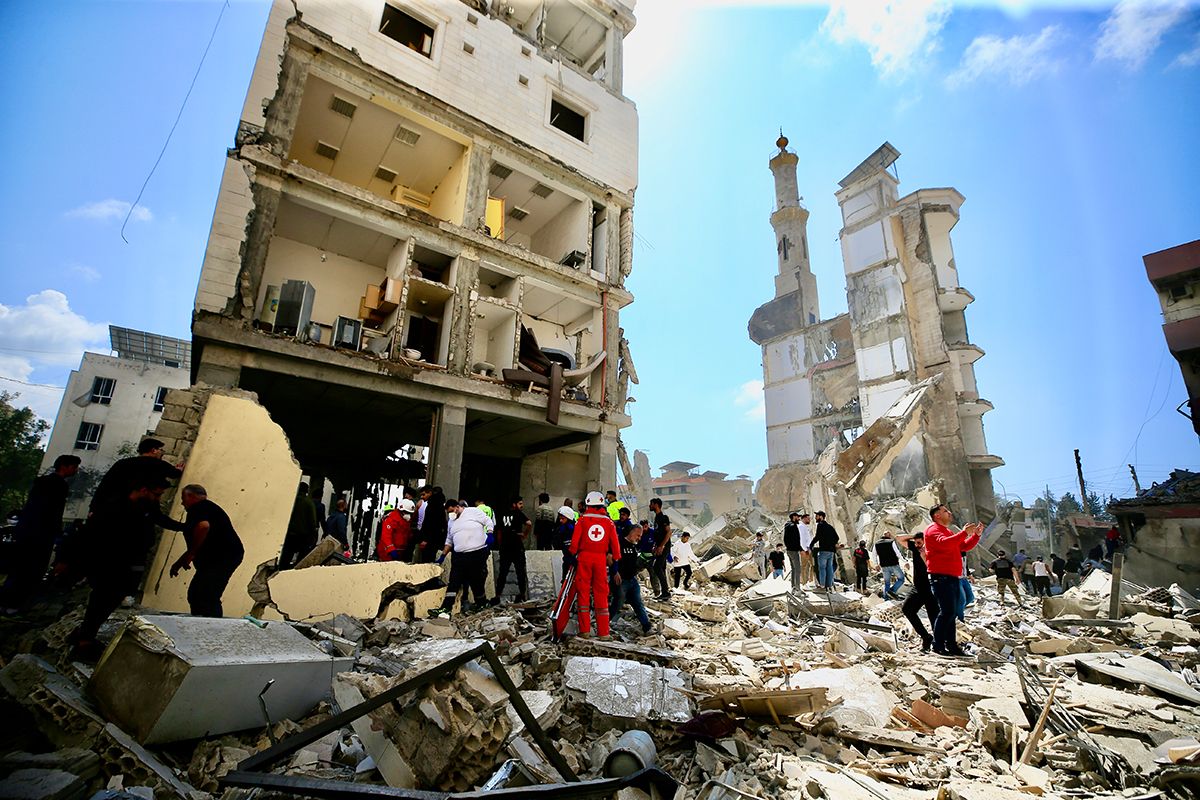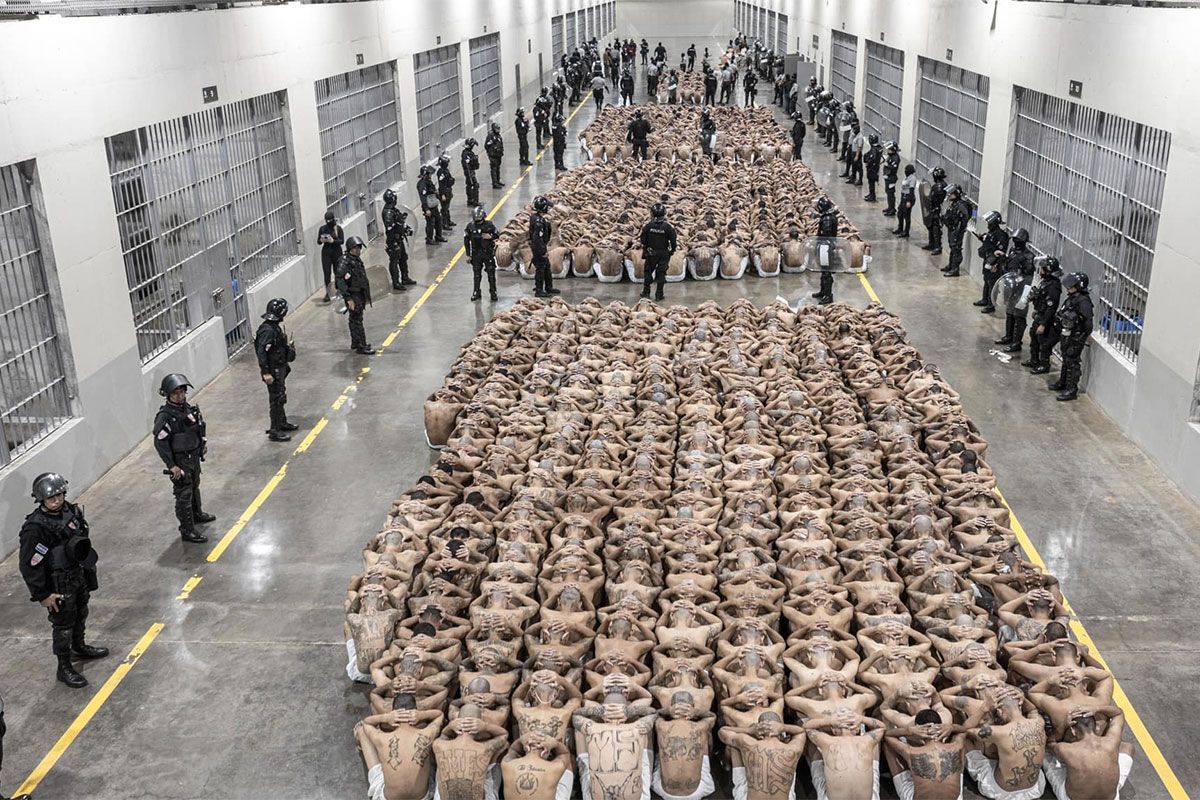
Although what Nayib Bukele is doing in El Salvador is establishing a dark regime of state terrorism in democracy – he won the presidential elections for the period 2024-2029 by an overwhelming majority – the truth is that, surveys are clear, his repressive model has fascinated Latin American societies. At the end of March, praised from all sides, he celebrated with rising rates a new anniversary of the state of emergency that authorizes him to trample everything that comes his way. For societies that for years have been bombarded with the drama of insecurity – sometimes true, other times invented – their “achievements” in terms of citizen domestication lead them to look the other way when talking about mass arrests, kidnappings, torture, murders and deaths in prison.
It is not surprising that they celebrate it from the extreme right, the same one that still today justifies and applauds Plan Condor and the death squads that in the last half of the last century decimated all signs of progressivism in Central America. The worrying thing is that presidents like the Guatemalan Bernardo Arévalo, who arrived under a good sign, intend to copy the repressive model, starting with the construction of a first mega-prison destined to overcrowd 2,000 prisoners who, a priori, are apostrophized as “dangerous criminals.” Or like the Uruguayan Yamandú Orsi, elected under the wing of the Frente Amplio, who said that his security management is “an example to analyze,” although for the peace of mind of the Easterners he clarified that Bukele is contrary to democracy and human rights.
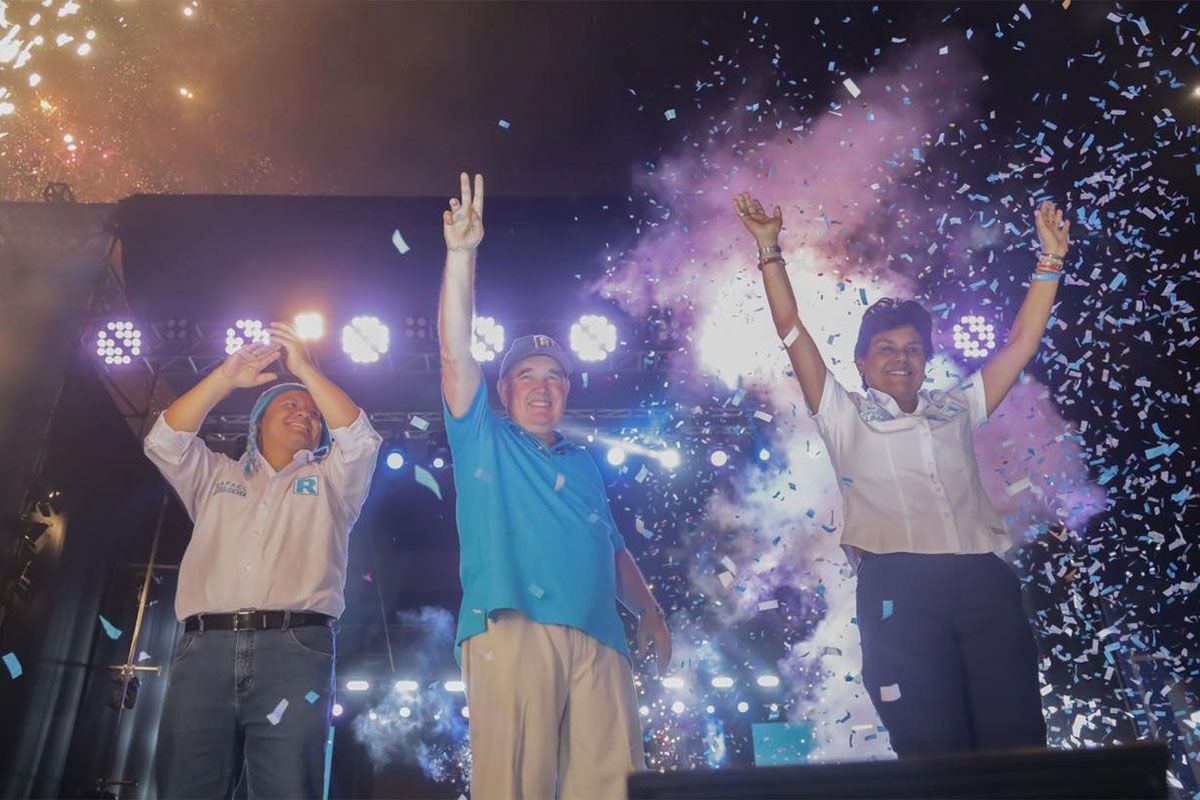
In Chile, the Pinochetista José Antonio Kast campaigned with the promise, gladly accepted by the electorate, of suspending constitutional guarantees and deploying the armed forces to take territorial control, just as Bukele did. He already started it, digging a trench controlled by the army on the border with Bolivia and Peru. In Ecuador, the powerful businessman and president Daniel Noboa imitates the Salvadoran permanent state of exception and follows the design of its large confinement centers. The idea of building a military base in the Galapagos, a World Heritage island, was even revived. Costa Rica and Paraguay are looking for a financier for their new megaprisons, but they moved forward with proposals to reform their codes to facilitate “preventive incarceration.”
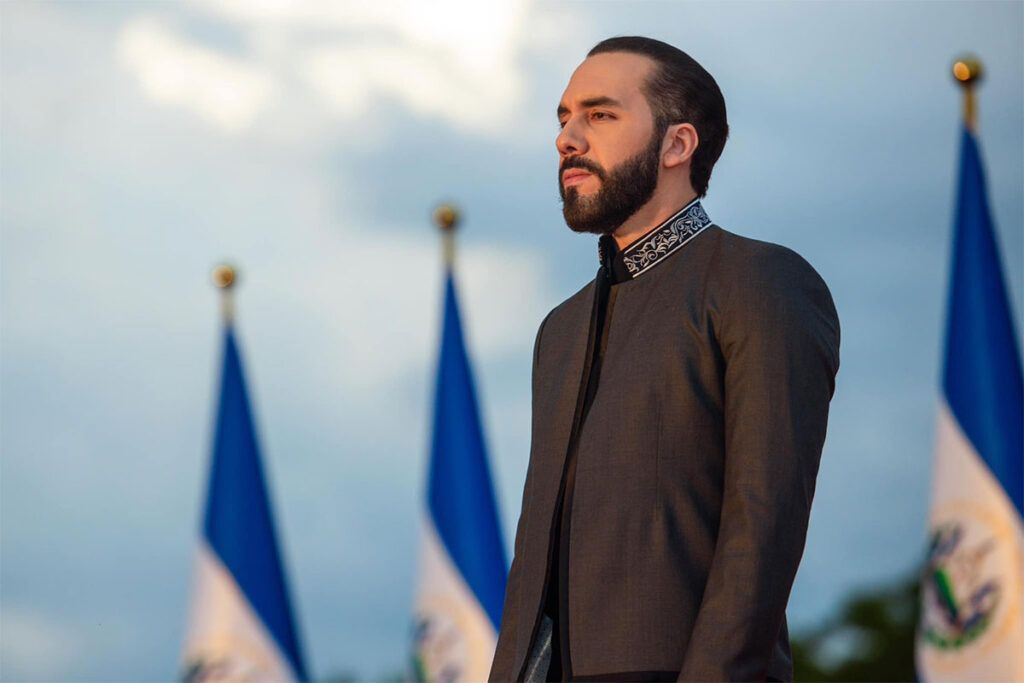
The continental development of the Bukele model represents the opening of a worrying path towards a kind of end point of the so-called rule of law and the institutionalization of state violence. The emergency regime has already been extended 48 times. It is neither more nor less than the “democratic” extension of State terrorism. The government’s confidential statistics reveal that 36% of those detained in that dark setting had no criminal record nor were they registered among the population to be monitored. Bukele himself admitted that 8,000 people detained (1.2%) were innocent, which confirms the application of a persecution strategy without judicial rigor. During the validity of the special regime, 506 people died in the megaprison, including four children. Human Rights defenders raise the number to 1,500.
In reports submitted to the specialized agencies of the United Nations, the International Commission of Jurists and Amnesty International observe that the numbers of repression contradict official records. The police forces point out, with enviable accuracy, that in 2021 there were 58,270 fugitive gang members, in hiding, and that under the state of emergency more than 91 thousand people were arrested, which shows that, based on the original censuses, at least 33,000 more arrests were made. Despite this, the cessation of guarantees is renewed every 30 days, with complete precision, as stated by law. Always with the argument that there are criminals to be stopped. “With 2% of the adult population detained – say the organizations – public security became a mechanism of social control (…) imposing a fear that reaches the point of terror and the sacrifice of legality.”
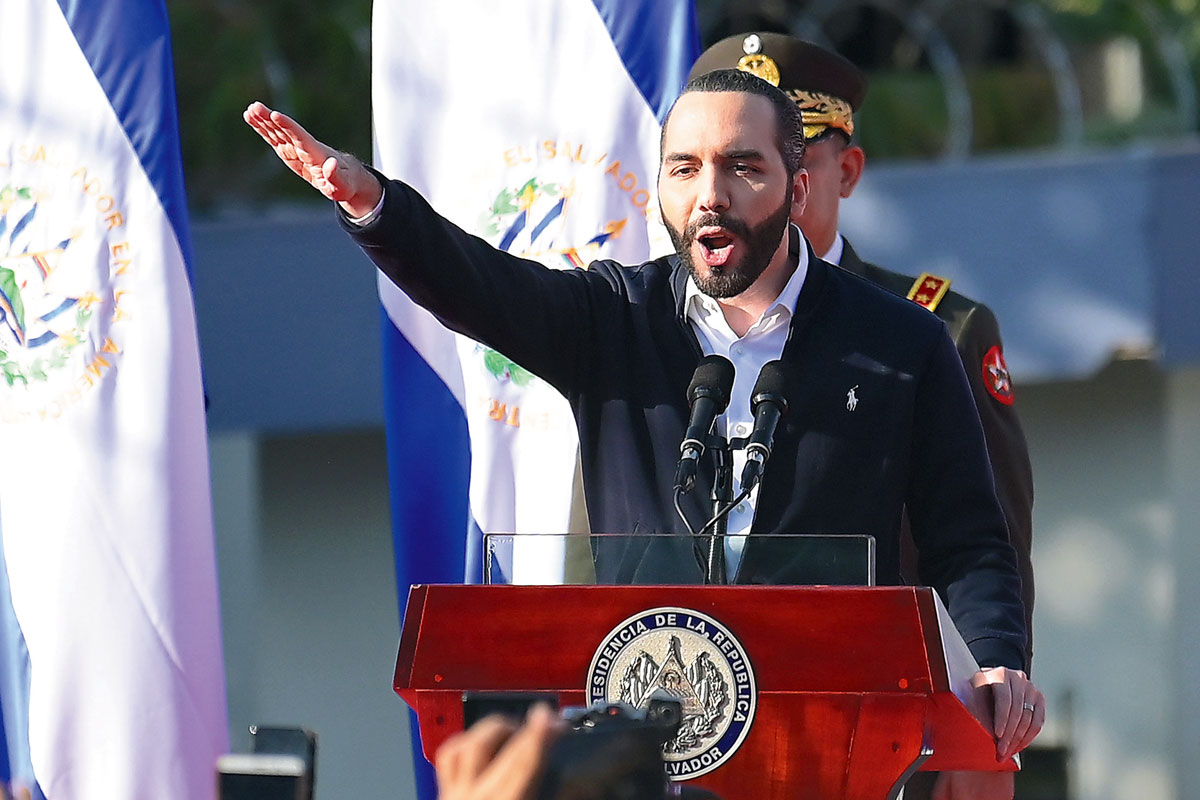
Despite the evidence of the implementation of a savage repressive system, which devastates individual and collective rights, until establishing a true regime of State terrorism, fed up with violence and extortion by gangs, Salvadoran society bought the model. He hails Bukele and erects him as the prototype of the vigilante. Since the state of emergency was imposed, his popularity rating has always been around the 90% it is today. The praise it receives in the region, and reaches its peak in the White House – its mega-prison is housing the immigrants that Donald Trump expels within the framework of his policy of persecution of foreigners – ignores that the trumpeted security does not contemplate human rights and is not a response to structural problems.
The surveys are shocking. Bukele’s positive image index is enviable for any of the American rulers. The latest ranking prepared in February by CB Global Data places it comfortably in first place in the statistics. It receives 72.6% positive opinions, followed by the Mexican Claudia Sheinbaum, who is praised by 68.5% of respondents from the entire region. Far away, in eighth place, appears Javier Milei, with 33.9% of the favors, and in sustained decline, as measured by local pollsters in the last eight months. The good citizen perception is complemented by the judgment of a wide range of rulers who are full of praise. The only one that put a limit on his inflamed ego was the IMF, which in order to aspire to his credits forced him to retrace the eccentric path that had led him to impose Bitcoin as legal currency.