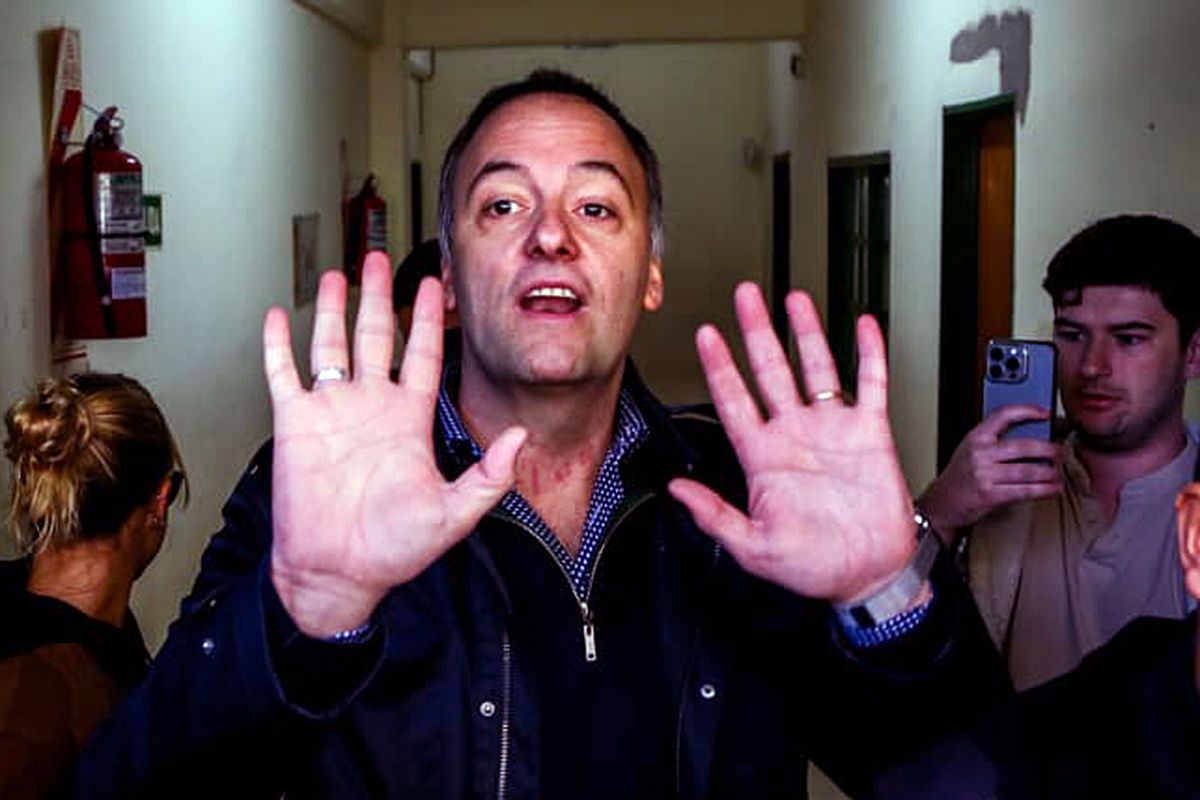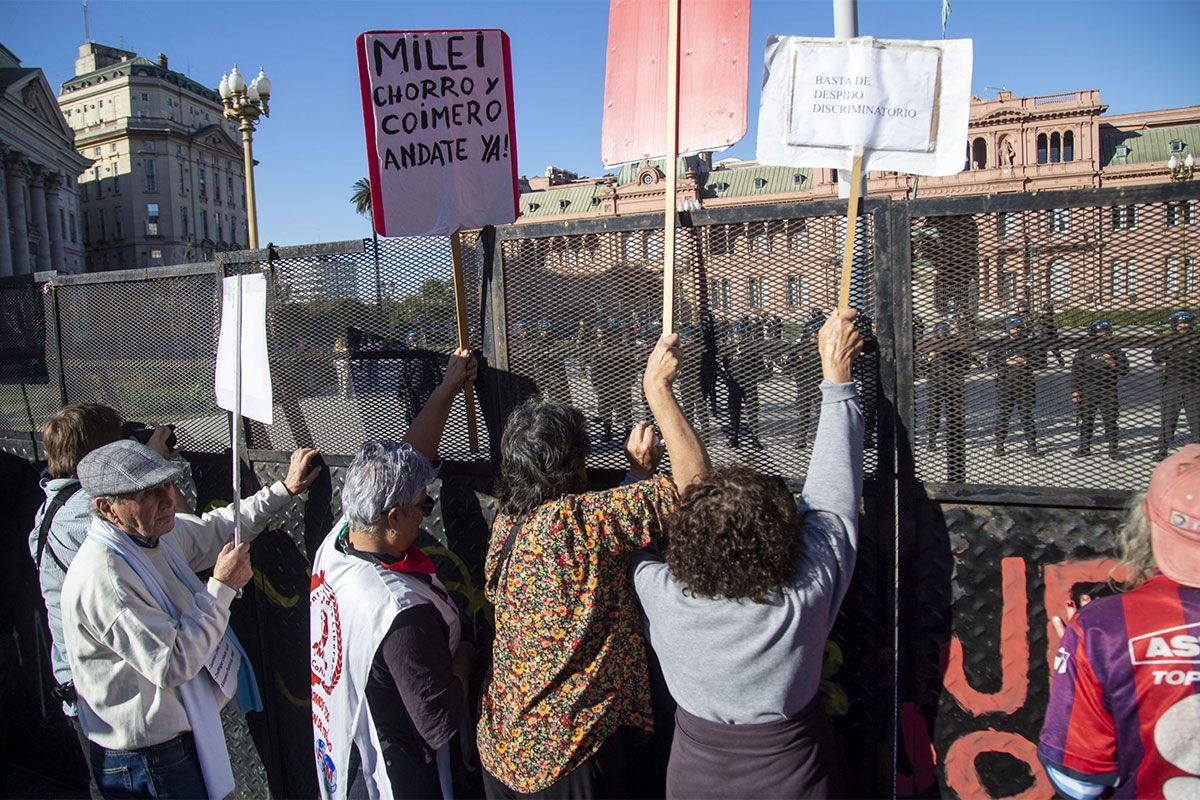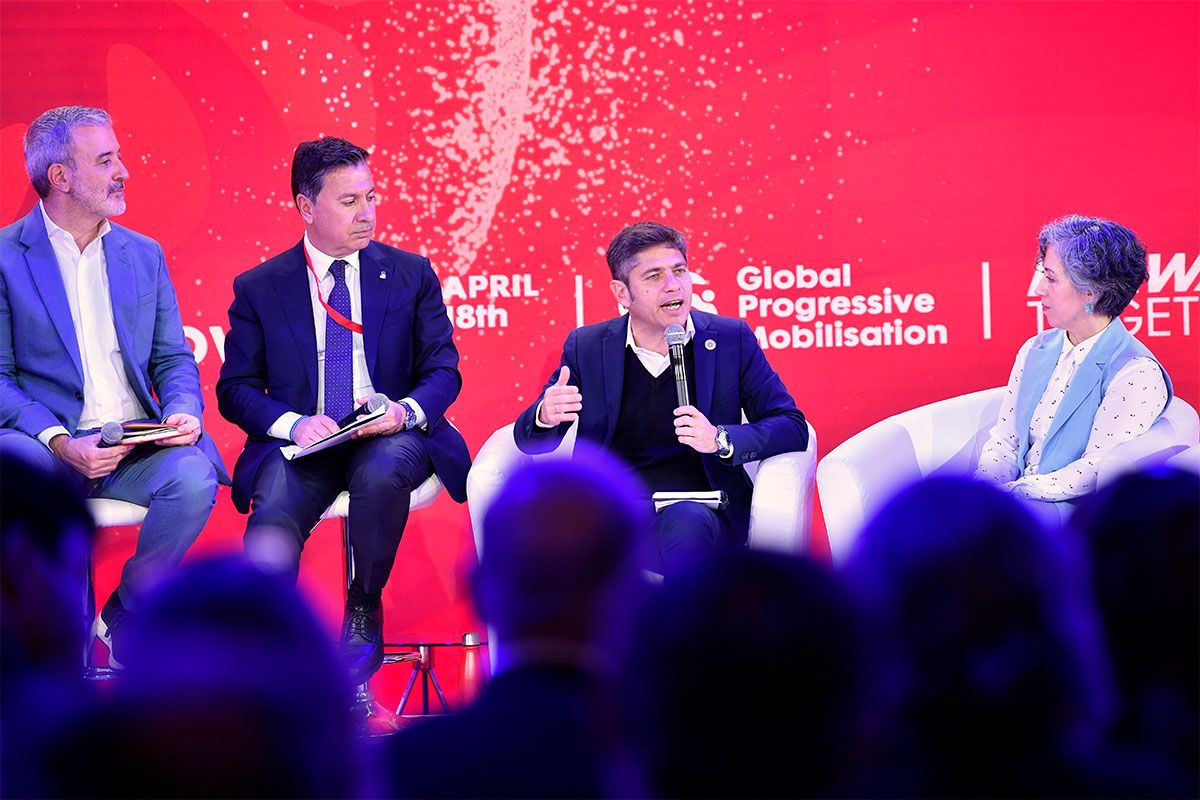
The Buenos Aires governor Axel Kicillof closed his tour of Spain this Saturday, which included meetings with presidents of the region and other international leaders, a nod to his eventual candidacy in 2027 and an exhibition at the Progressive Global Mobilization, in which he once again questioned the economic course of Javier Milei’s government and launched: “It is a failure.”
The president began his official activity on Thursday in Madrid. There he met with businessmen and the second vice president of Spain, Yolanda Díaz, and then moved to Barcelona to participate in the progressive summit to which he was invited by the Spanish president Pedro Sánchez and his Brazilian counterpart, Luiz Inácio Lula da Silva.
The movement, which brought together more than five thousand political and social leaders of the left from around the world, sought to consolidate a common front in defense of democracy, against the advance of the extreme right and, especially, against the leadership of US President Donald Trump. It allowed the governor, who was the highest Argentine representative in the forum, to take his message against Milei to the international level and position himself as the other side.
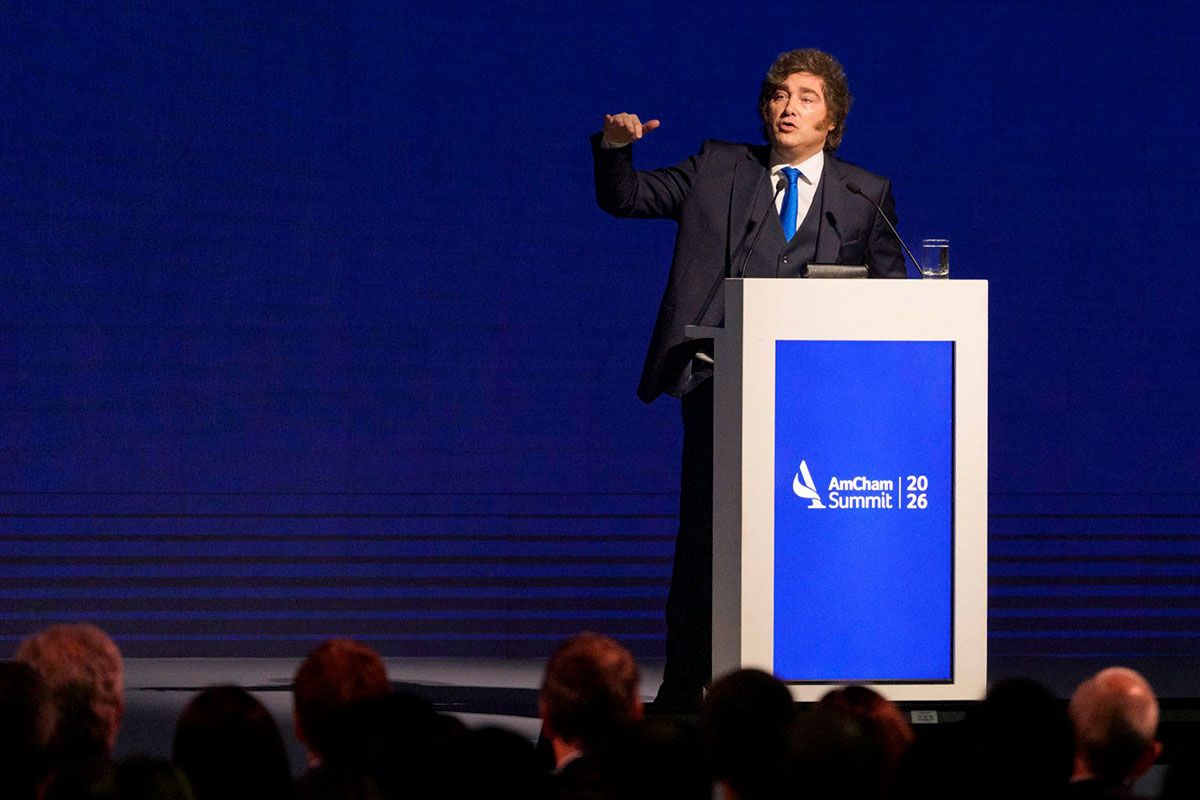
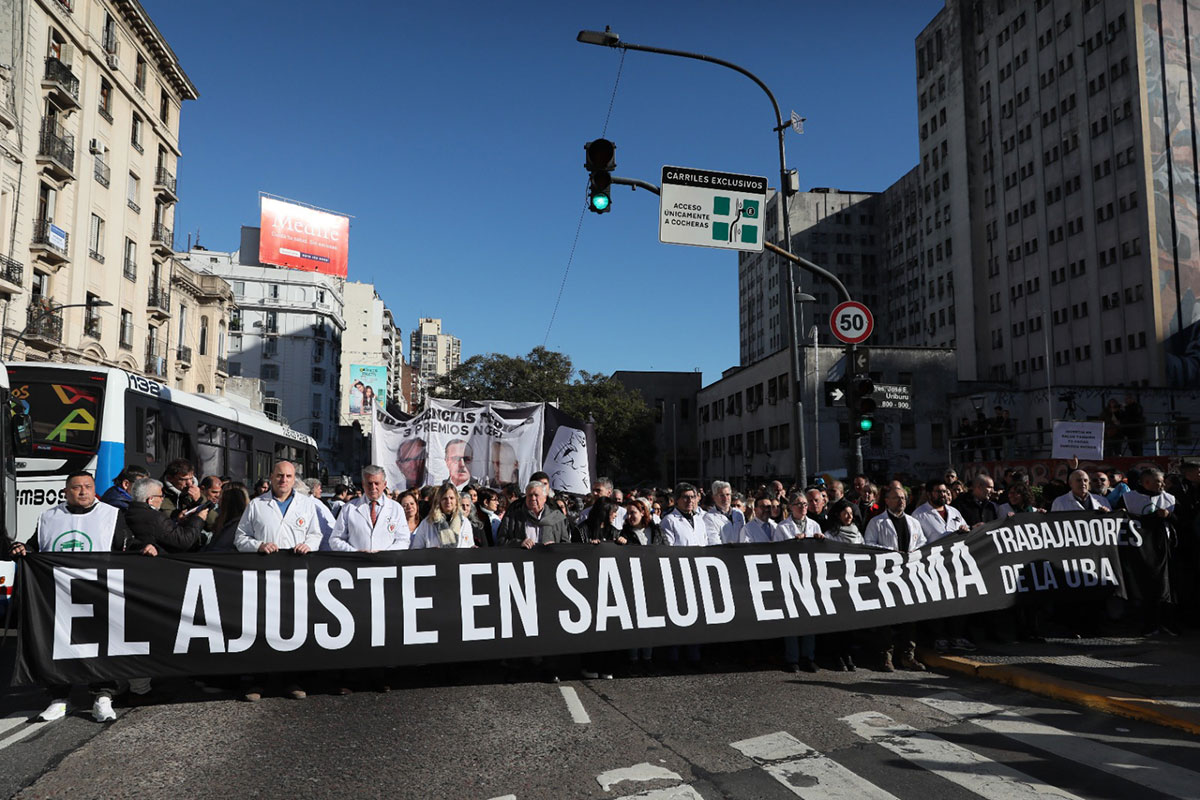
On the last day of the forum, this Saturday, Kicillof participated in the panel Local Progressive Response: Front Line of Democracy, where he made a critical diagnosis of the Argentine situation and the advance of the right worldwide. “Since one of the most extreme leaders of the extreme right, such as Javier Milei, governs Argentina, attempts have been made to establish that his policies have generated economic stability, investments and international insertion, but reality shows the opposite,” Kicillof said. And he assured that La Libertad Avanza’s policies “are a failure” and are destroying “the productive apparatus, salaries, education and health.”
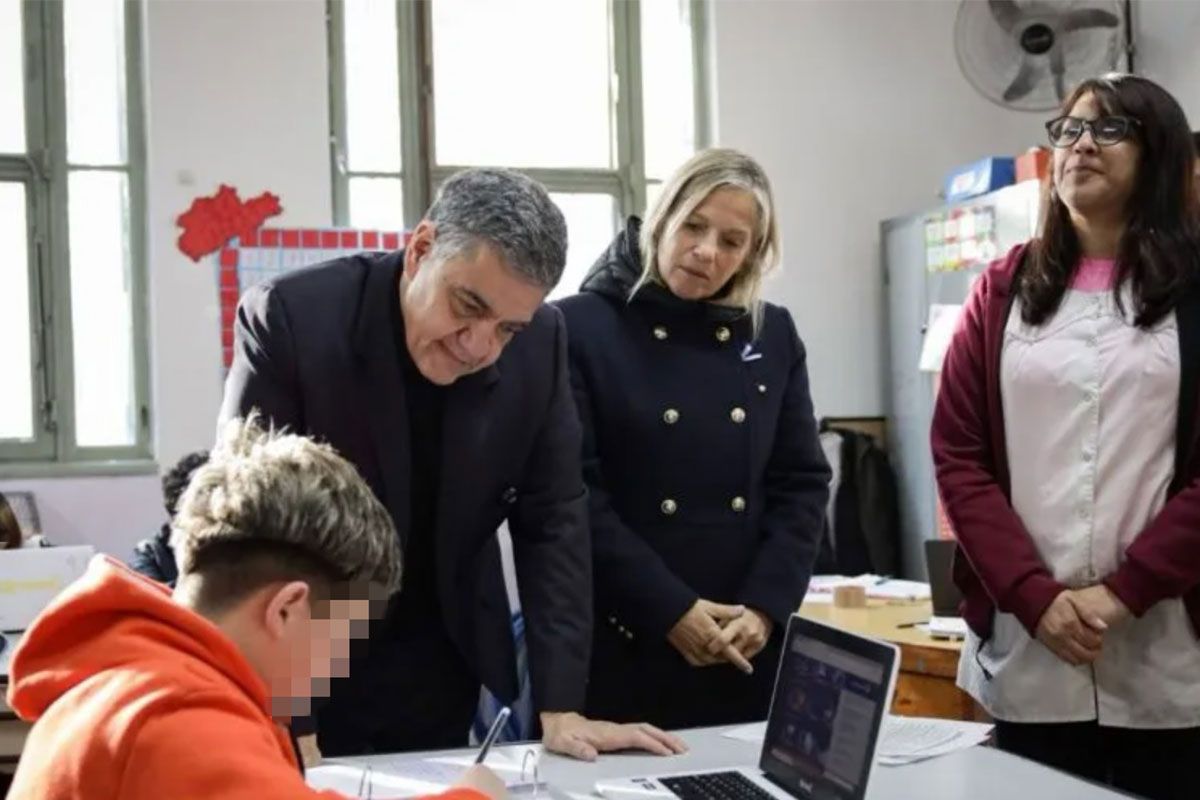
He stated that provincial and local governments should have taken an active role to contain the impact of these neoliberal policies. He explained that this not only implies allocating resources to sensitive areas such as health and education but also offering “certainties and perspectives for the future” in the face of a context that he described as plagued by “cruelty” and “abandonment.”
He also stated the position of the province and Argentina against the war. «From the province of Buenos Aires, and on behalf of the people of Argentina, we say that we are against the killings and persecution, and in favor of social justice. “Milei does not represent what the people of Buenos Aires and Argentines feel and think,” he stressed.
At the end of his speech, he considered that it is necessary to build a global alternative to the advance of the extreme right and valued articulation spaces such as the summit in Barcelona to provide a response to that ideology at an international level. “It is essential that we explain to the entire planet that it is not the path that the extreme right is taking that real solutions are going to be reached,” he said, and concluded: “In the face of this ideology, the response also has to be international and we are building it here.”
The president spoke alongside the mayors of Barcelona, Jaume Collboni; from Rome, Roberto Gualtieri; from Muğla (Türkiye), Ahmet Aras; the president of the European Committee of the Regions, Kata Tüttő; Toronto City Councilor Alejandra Bravo; and the head of the New York City Office of International Affairs, Ana María Archila.
In parallel to the summit, Kicillof also held a meeting with Luiz Inácio Lula da Silva and with the former Spanish president, José Luis Rodríguez Zapatero. Meanwhile, on Friday he added bilateral relations with the president of Colombia, Gustavo Petro, who gave him a political wink by mentioning him as the possible next president to “bring Argentina out of collapse.” He also met with the former president of Chile, Gabriel Boric, and with the vice president of the European Parliament, Katarina Barley, among other representatives.
Summit speeches
The president of the Spanish government, Pedro Sánchez, was in charge of closing the summit in Barcelona. Before a packed auditorium, the leader decreed the end of the era of the extreme right, while condemning the war and the stigmatization of progressivism. “The right no longer leads, it languishes. No matter how much they shout, or how many hoaxes they invent. People are realizing that they have no project or solutions. Only hatred, empty slogans and wrong policies that have brought four things to the world: war, inflation, inequality and social fracture. That is all they have given to the world,” he shot.
He also appealed to the “pride” of the progressive political tradition in the face of the right-wing attempt to stigmatize it. “Shame changes sides and it will do so forever. From now on, shame for them, for us the pride of being pacifists, environmentalists, trade unionists, feminists, of being left-wing and social democrats, because progressivism today is more necessary than ever,” he noted and added: “The pride of being on the right side of history to defend peace and international law.”
Along the same lines, Lula Da Silva considered that the Barcelona summit is “the beginning” of a movement that has to act “every day of the year” to “reestablish the most sacred thing in the world, which is democracy and multilateralism.”
And in the most heated section of his closing speech, the Brazilian president asked the presidents of the five countries that form a permanent part of the UN Security Council – the United States, China, Russia, France and the United Kingdom – to guarantee peace. “For the love of God, fulfill your obligations to guarantee peace in the world,” he told them after dubbing them the “warlords.” And he insisted: “Stop this madness of wars because the world can’t stand them anymore.” «