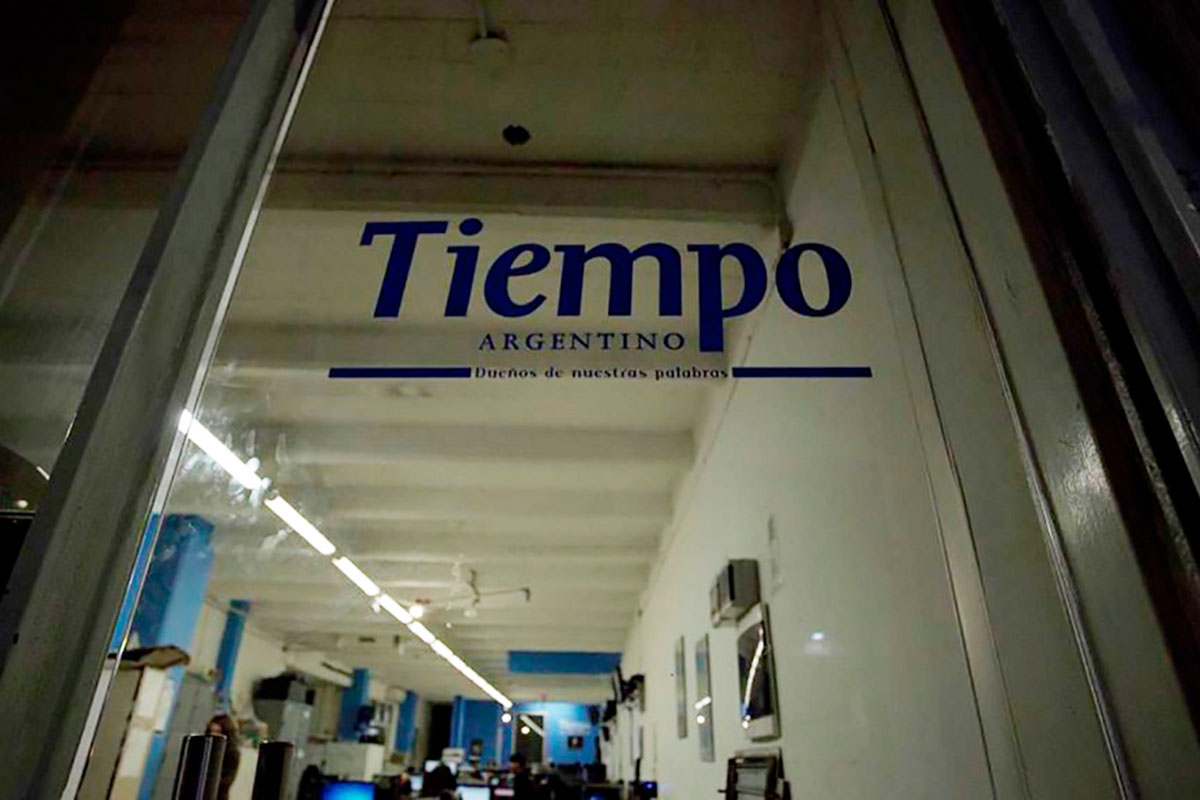
Ten years after the birth of the cooperative of Argentine Weatherit is worth stopping not only at what it represents as a journalistic experience but also at the political context that made its emergence possible – and necessary. It is not only about celebrating a decade of existence, but also about asking what it means today to support a cooperative media in a country where journalistic work is attacked daily.
Argentine Weather was born in a moment of deep crisis, when its workers decided to face the emptying and stay together. That initial gesture of resistance left a mark that is still perceived: the conviction that reporting is not simply transmitting data, but also disputing meaning.. In an increasingly concentrated media ecosystem, this bet not only persists: it acquires even greater value.
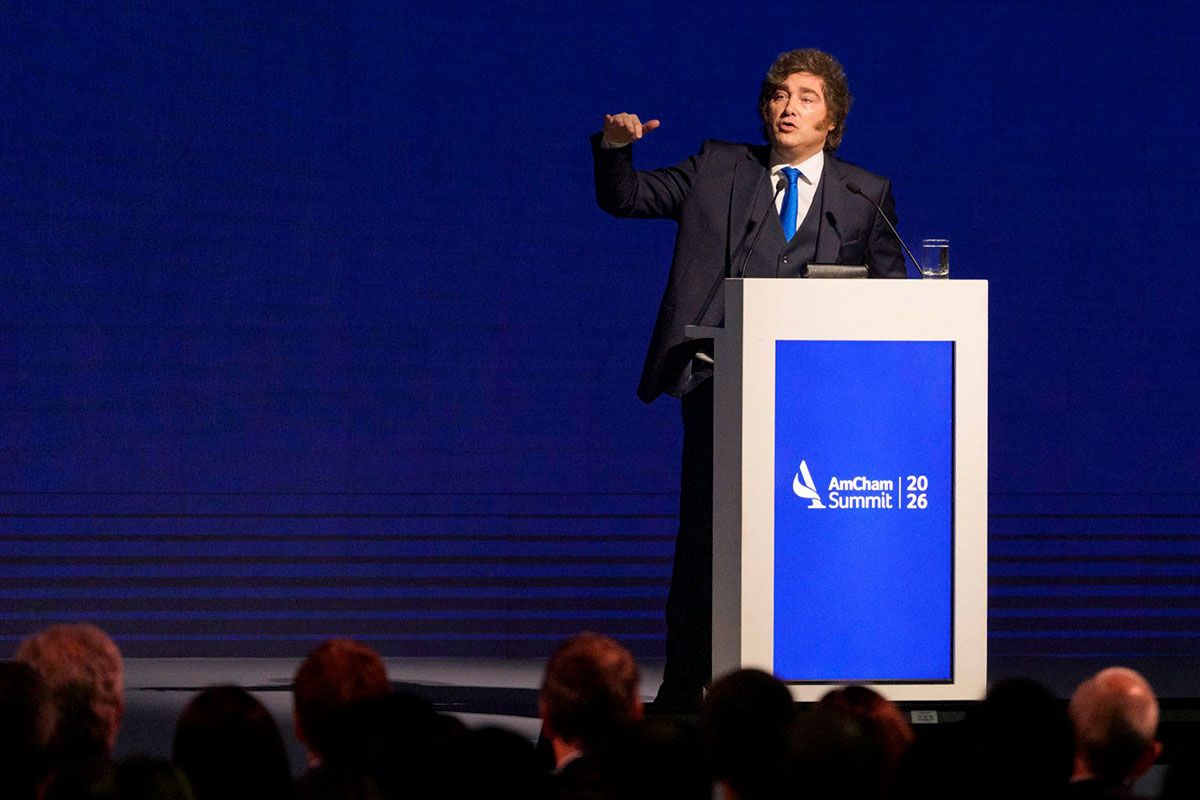
But it would be naive to romanticize the path. Ten years later, the medium – like so many others – is going through a scenario of growing hostility towards the press. Put in the place of adversaries, different sectors of journalism have been subject to systematic delegitimization by the government headed by Javier Milei. Research and questioning, the central axes of the profession, make people uncomfortable: they strain official discourses, expose contradictions and question simplified accounts of reality. And when that happens, the response is often not debate but pointing out.
That climate had a specific episode on Monday, April 6, when a group of media, including ours, was prevented from entering the Casa Rosada. For nine days, access to the press room at the government headquarters was restricted, in a fact that cannot be read as isolated but as part of a broader context of attacks on the press. It is not just about accreditation: it is about the conditions under which the right to inform can – or cannot – be exercised.
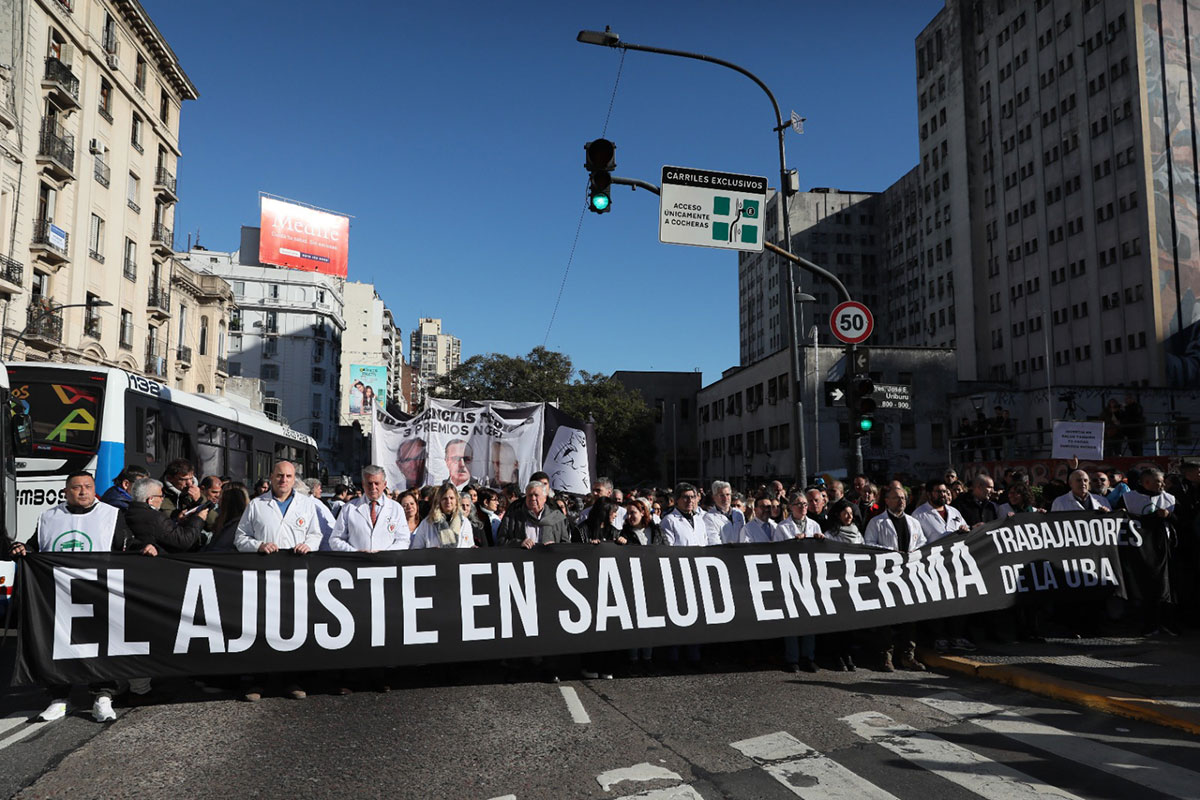
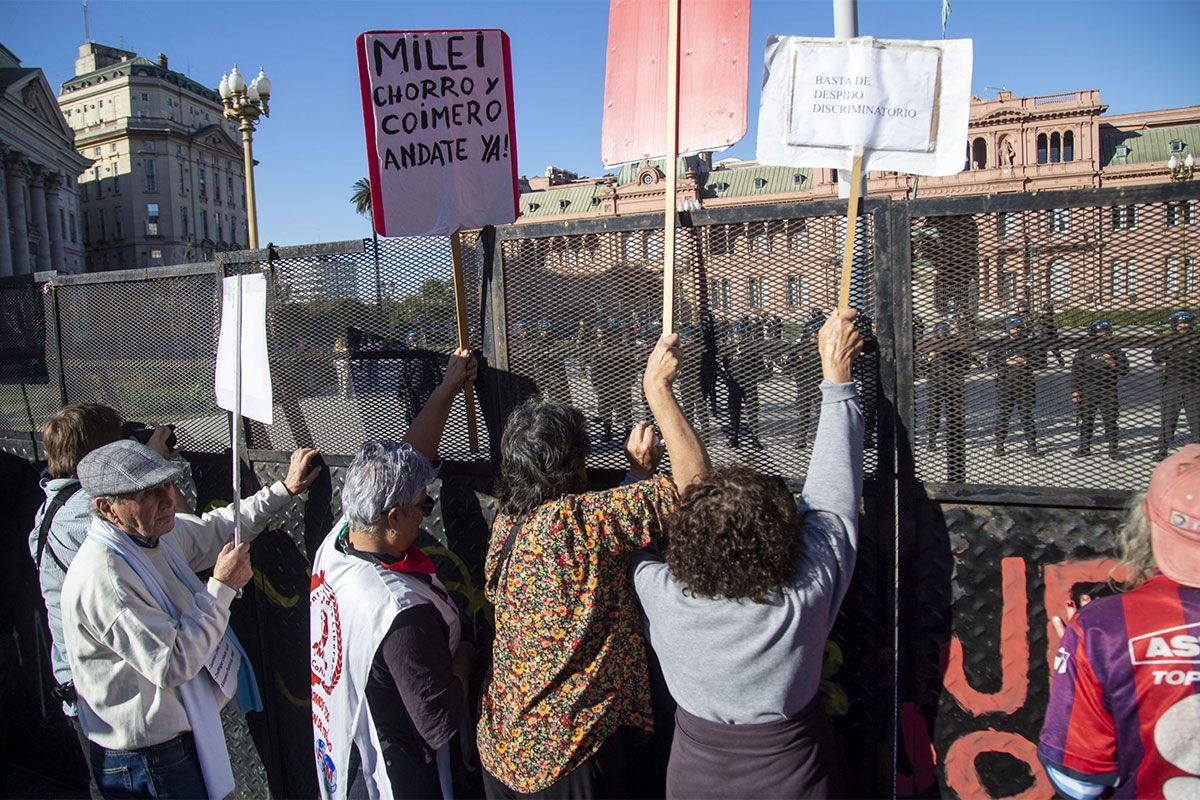
For this special edition, We chose to synthesize these ten years with an axis in each of the three governments that we have gone through since the creation of the cooperative.: the illegitimate debt taken by Mauricio Macri; the role of public health and science during the pandemic; and the resistance in the streets against libertarian repression that had its most serious episode in the attack on Pablo Grillo. In addition, we present a note on the paradigm shift in politics-and democracy-in Argentina in this last decade. Like any selection and for obvious reasons, there are central themes that marked this era that we could not include but that will continue to be addressed in the paper and on our website.
In the history of Time There is a dimension that does not usually appear in more structural diagnoses: the human dimension. Behind every edition, every coverage, every closing morning, there is a team that supports this project with a mix of conviction and daily effort. Journalists, editors, photographers, designers, editors and collaborators who chose not to let go, even when the context pushed in the opposite direction. There is something more than work there: there is commitment, there is shared identity, there is a way of understanding the job that is built collectively and that is renewed every day.
Nor can this decade be thought of without the community that accompanies it. In times of fragmentation, distrust and individualism, the fact that thousands of readers decide to support a medium is not a minor fact. Every subscription, every read, every shared note is a way of saying that this space matters. That it is worth existing. That there is a place for journalism that does not give up asking questions. This network, invisible but persistent, makes Argentine Weather into something more than a medium: it makes it a collective project, a conversation sustained and revoked day by day.
Perhaps the greatest merit of these ten years is not having found definitive answers, but rather having kept the questions open. There is no neutrality possible when what is at stake is the right to inform and be informed. Ten years later, Argentine Weather It continues to be that: an experience that challenges, that makes us uncomfortable and that forces us to think about what type of journalism – and what type of public debate – we are willing to build. As long as there are those who maintain the conviction of telling what is happening and those on the other side continue choosing to listen, there will be reasons to believe in our task. Therefore, always and forever: Thank you! «