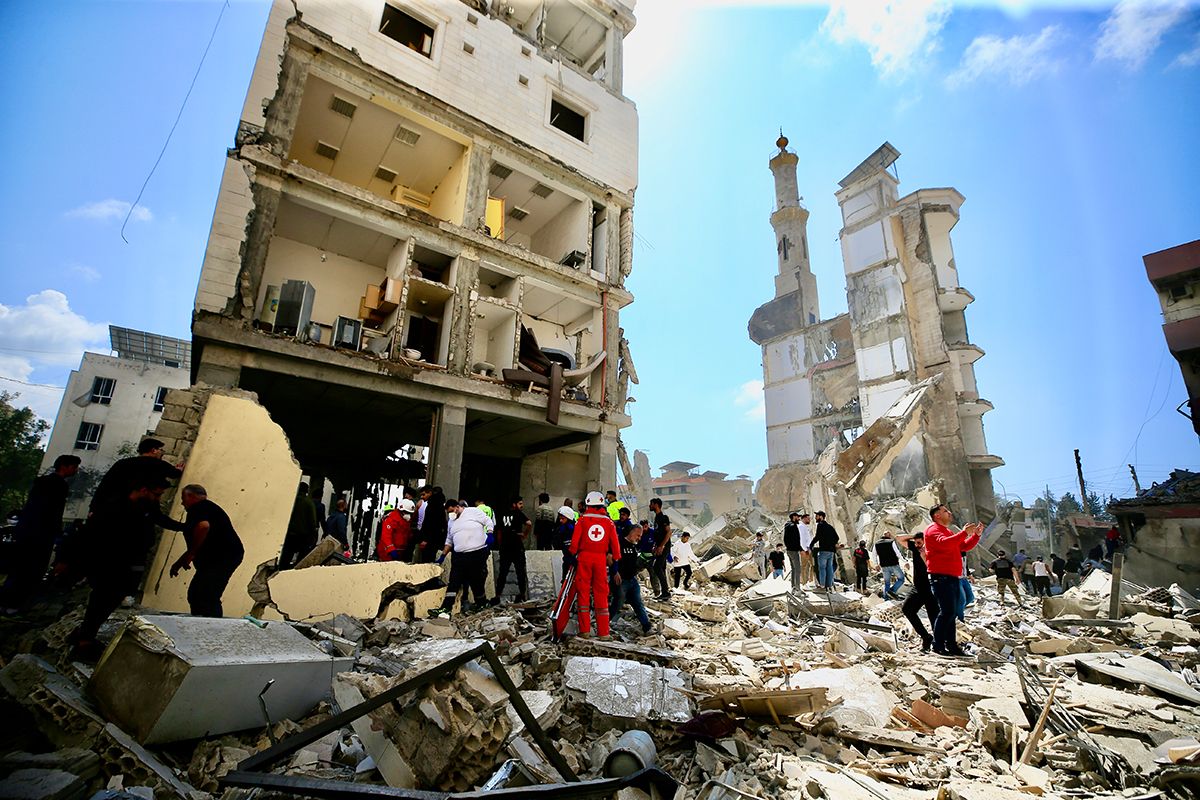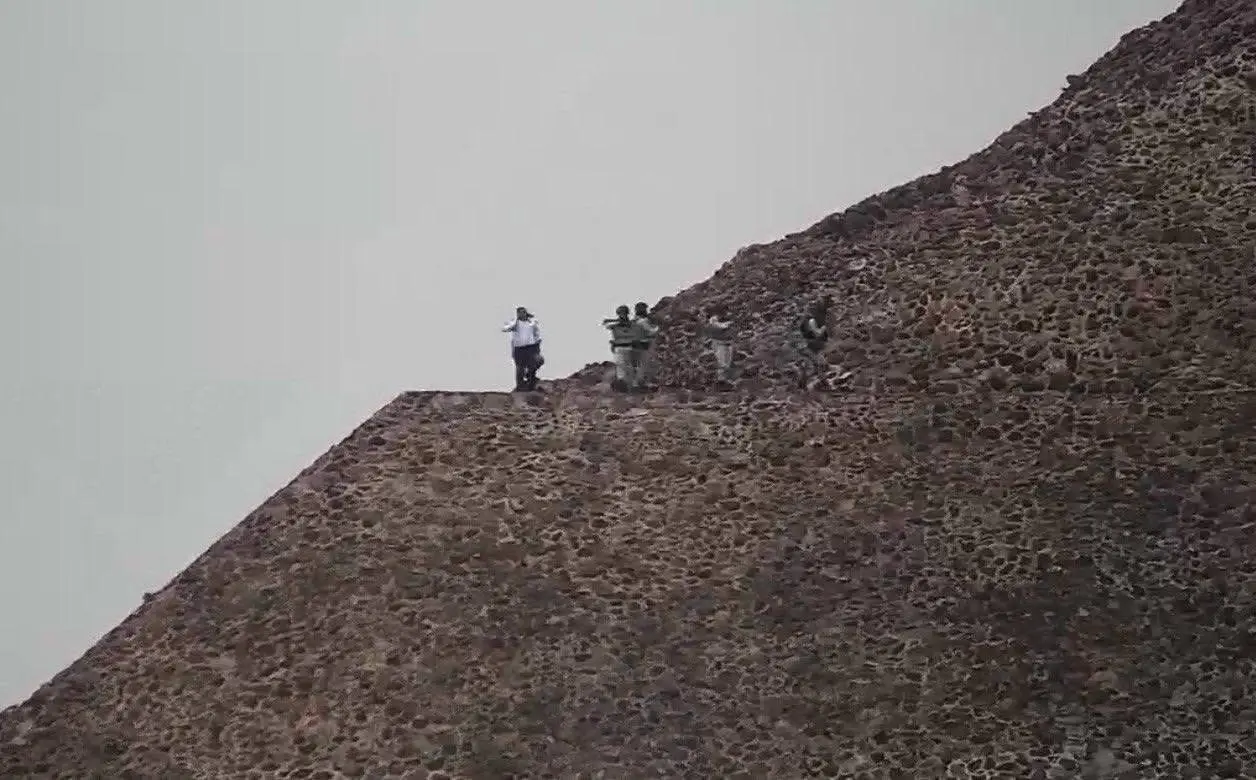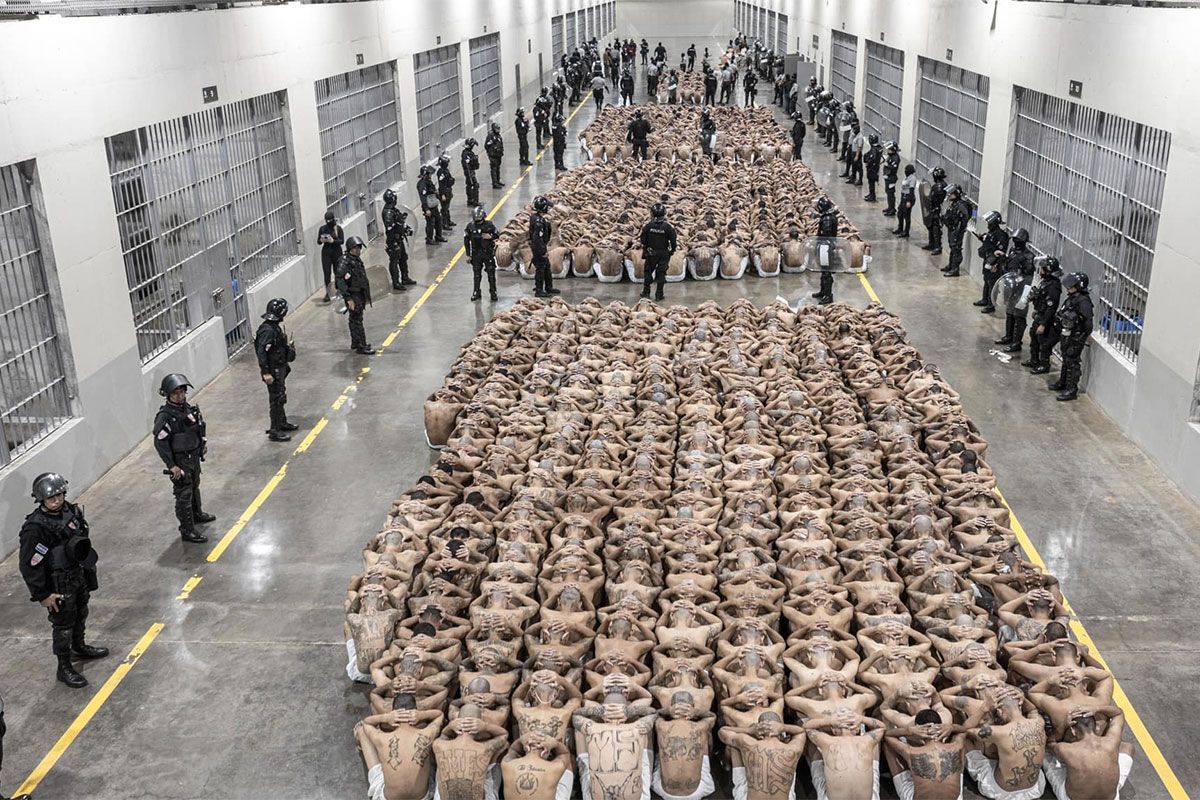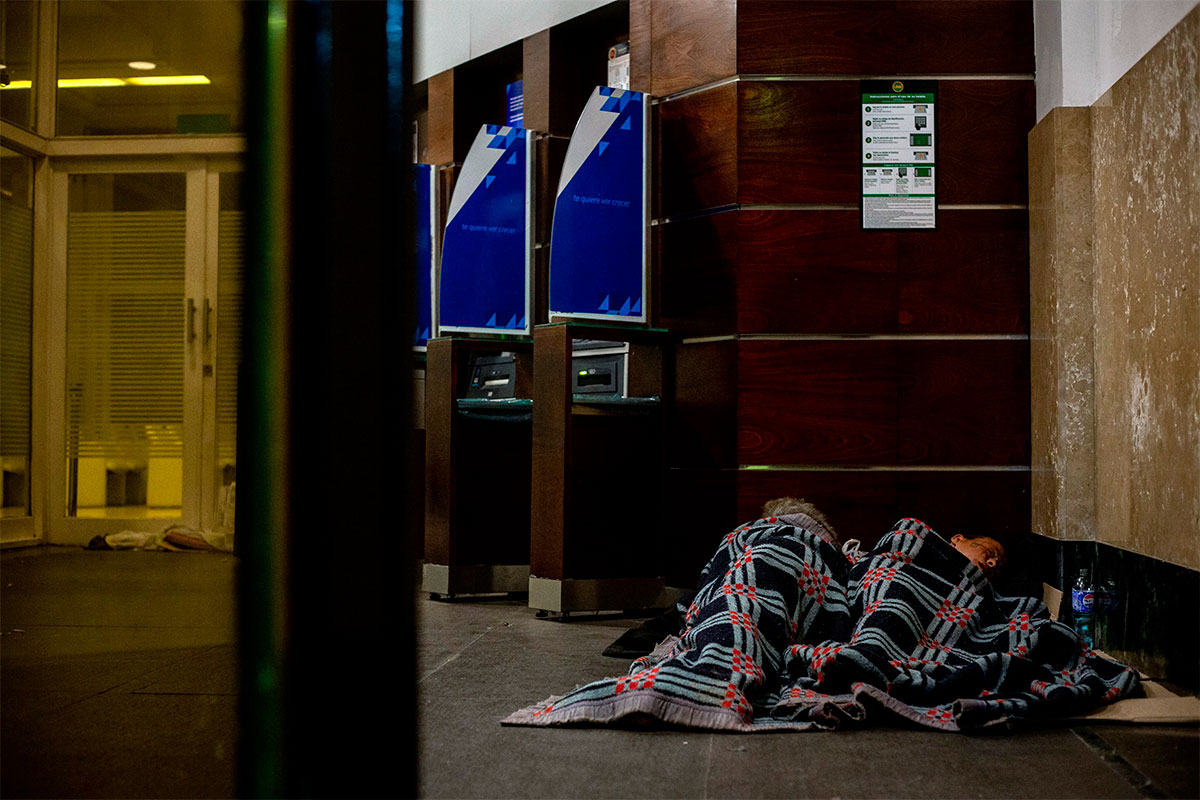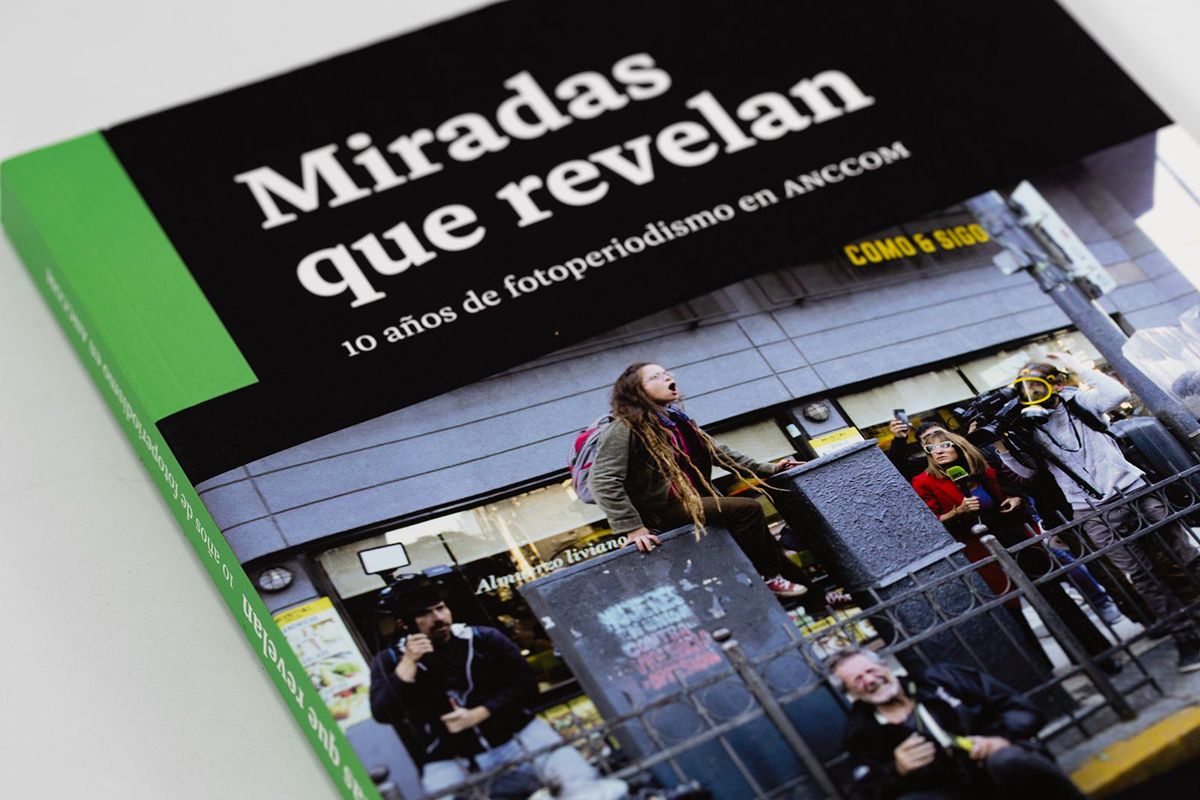
“Looks that reveal. 10 years of photojournalism at ANCCOM”, Published by the Assembly of Images label, it brings together 150 photos that cover the recent history of Argentina from a perspective constructed by practitioners and teachers of a medium created from the Public University. A journalistic and pedagogical experience carried out by the News Agency of the Communication Sciences Career (ANCCOM) of the UBA over a decade and that values collective work and the role of critical training in the field of communication.
The publication was presented on Thursday, April 16 at the headquarters of the Faculty of Social Sciences of the UBA, located in Santiago del Estero at 900, CABA, and reflected a collective process that involved more than 700 students who have passed through the school agency since its creation. “The presentation of this book is a celebration for us and, in this context, a tool of political resistance because it highlights what the University and youth can do.”
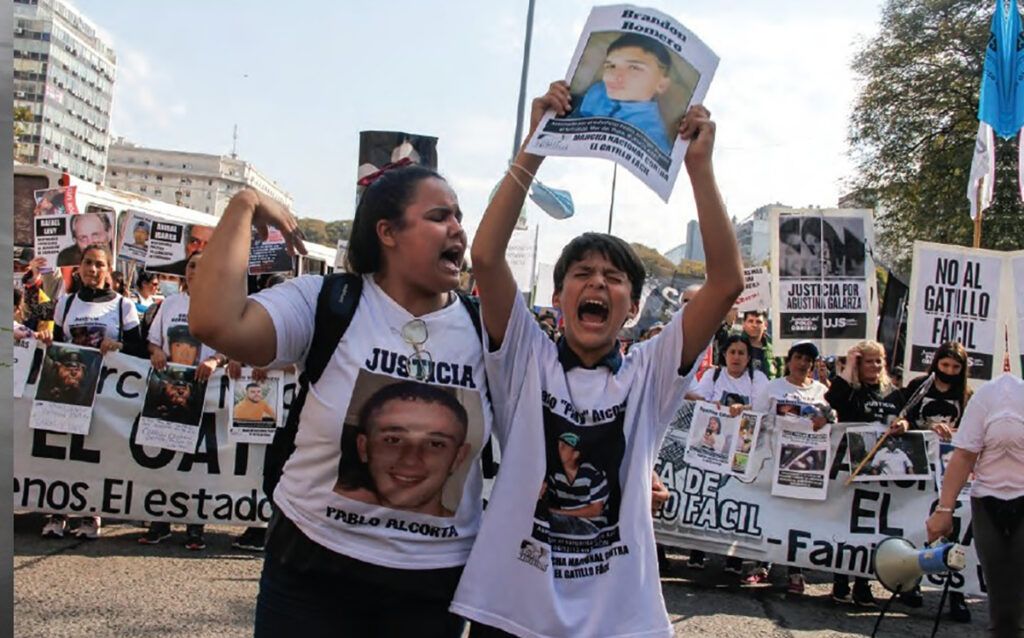
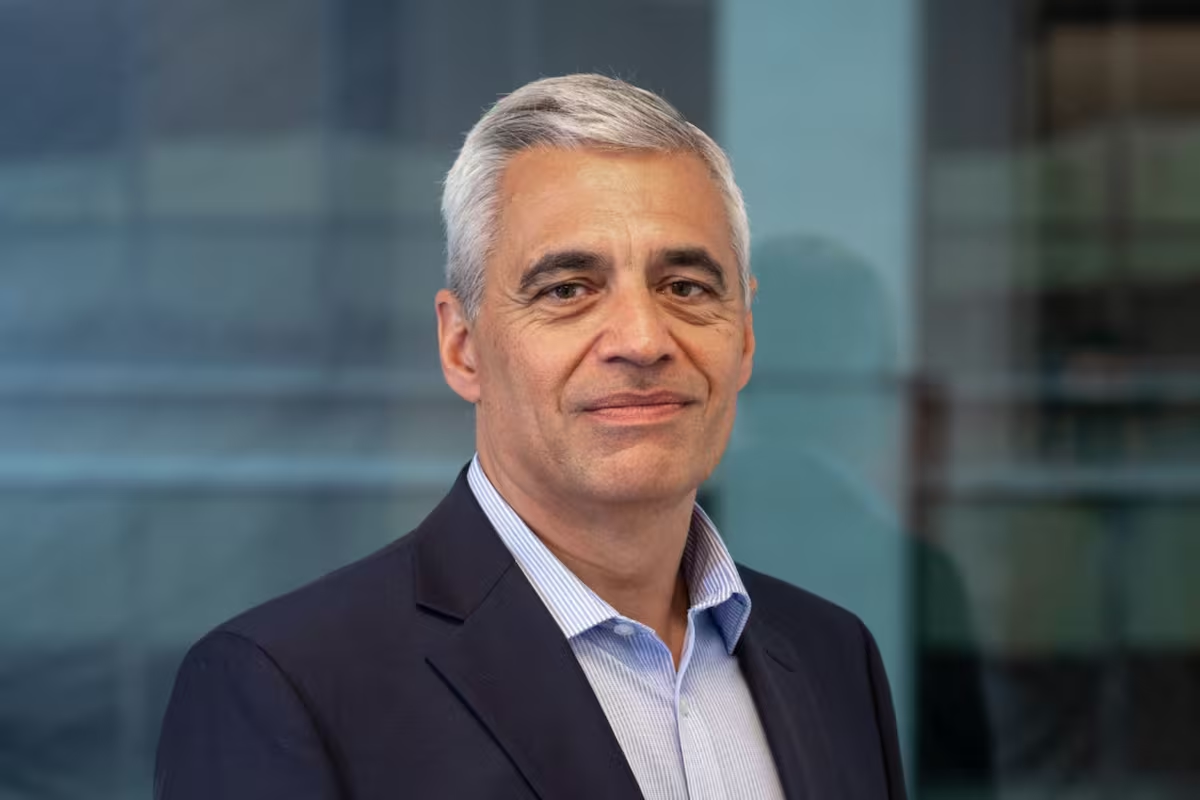
“In these ten years, young people were accused of being individualists, of breaking the quarantine, of promoting the arrival of the worst far-right of these 50 years of democracy. However, these students, who became journalists at ANCCOM, demonstrated talent, passion, ethics, sensitivity and a deep social commitment to make visible the demands of vulnerable sectors and to build a more just and democratic society,” said journalist Diego Rosemberg, compiler of the project together with Cora Gamarnik, in the book presentation.
The initiative was promoted by the Images Assembly, a new publishing label made up of teachers from the same study house. As explained by Victoria Gesualdi, photographer, teacher and photo editor, the initial idea was to make a dossier for the ten years of the agency, but the volume and quality of the material transformed the project: “When we began to review the archive, its potential clearly appeared. We are talking about more than 30 thousand images produced by the students. The challenge was then to build a cut that could account for that universe.”
According to Gesualdi, the photographic tour of the publication does not follow a strictly chronological logic. On the contrary, it proposes a visual narrative where images dialogue with each other, crossing temporalities, actors and conflicts.

“With Leandro Teysseire, the other photographic editor of the book, we sought to ensure that the photos themselves constructed the story, generating connections between different situations and sustaining certain axes over time,” explained Gesualdi, adding that building a book involves putting together a story about the events, in this case, from the critical perspective of the practitioners. That means selecting, editing, highlighting and generating dialogues between different events that were part of our agenda linked to Human Rights, social conflicts, gender, work, culture and inclusive sports, among others.
“ANCCOM is much more than a school agency, it is an institutional political commitment of the University that, even in a context of defunding, university conflict and loss of salary, supports journalistic training and production with commitment. Here, learning does not only occur in the classrooms, but also in the street, in the link with sources and in concrete practice, where our students are trained as professionals” highlighted Larisa Kejval, director of the Communication Career of the Faculty of Social Sciences of the UBA.
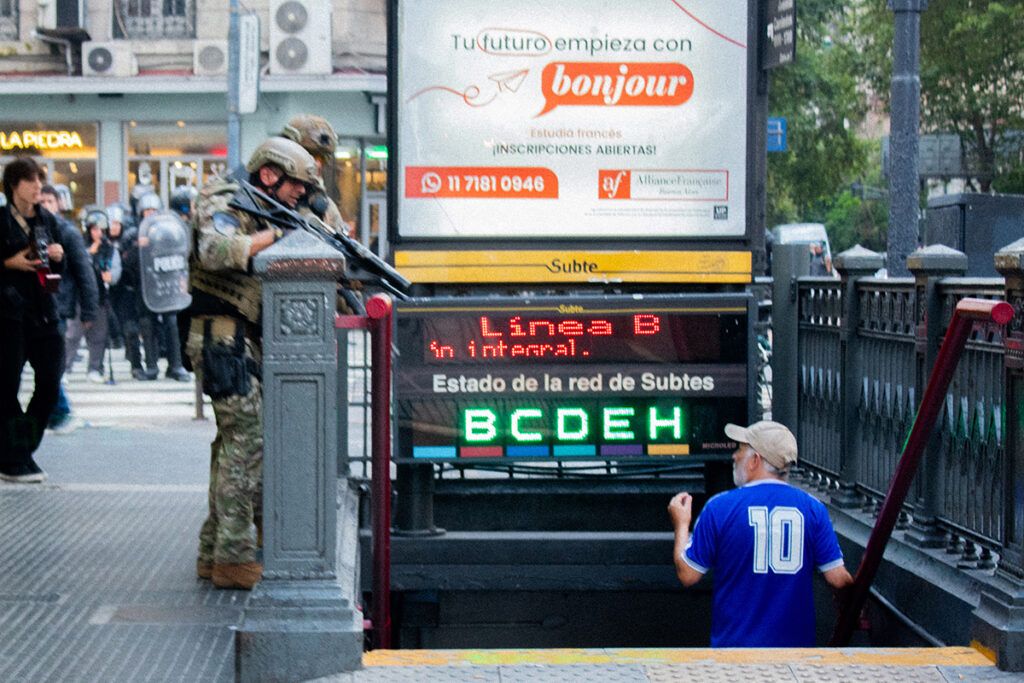
In that sense, the book also discusses the place of photojournalism in the current media ecosystem. “Today photography has a marginal place in many media, often replaced by images from social networks,” Rosemberg warned. Faced with this, he claimed the importance of “going to the scene” and recovering work in the territory: “You cannot talk about poverty without having looked a poor person in the eyes,” he concluded..
For her part, Victoria Gesualdi highlighted the value of direct experience in the training of students: “Going out into the territory, meeting the subjects and producing images from that link has a documentary power that is sustained over time.” And he added that, in a context of mass circulation of images, photojournalism takes on a central role: “They are images with a context, with authorship and with a look behind them, something increasingly necessary.”
The current context, characterized by media concentration and the weakening of public and community media, was also pointed out as a challenge. “The University has an enormous role in the communication system, not only as a training space but as an actor that intervenes in the social sphere,” said Rosemberg.
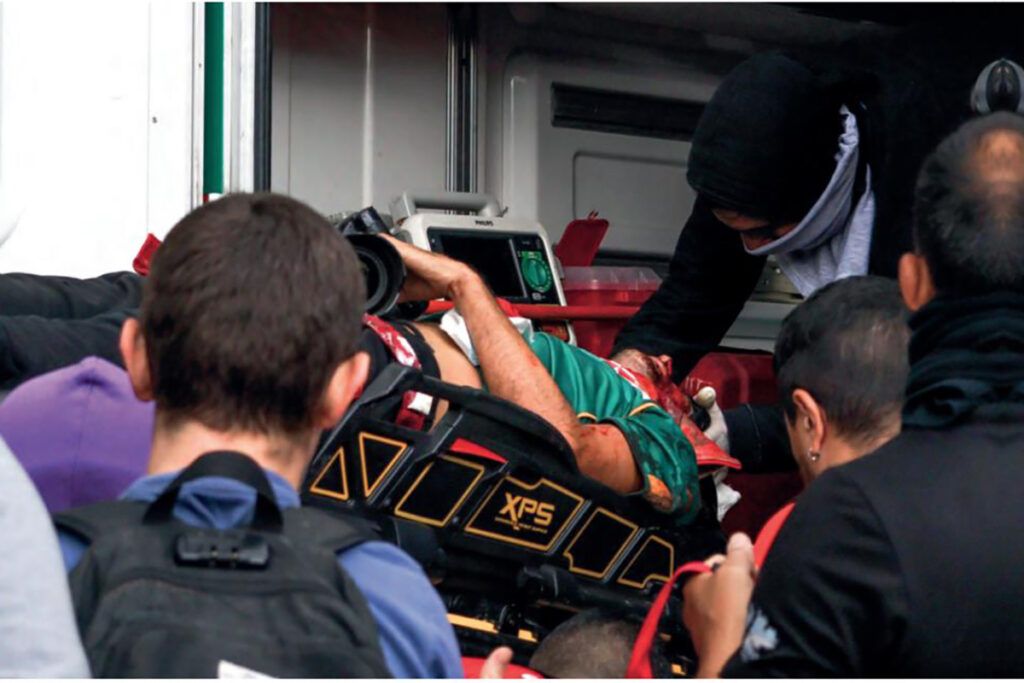
For Gesualdi, this function also implies a responsibility: “A university agency is not governed by the logic of merchandise, but by a social sense of journalism. This allows it to occupy vacant spaces, guarantee the plurality of voices and make visible topics that other media fail to cover.”
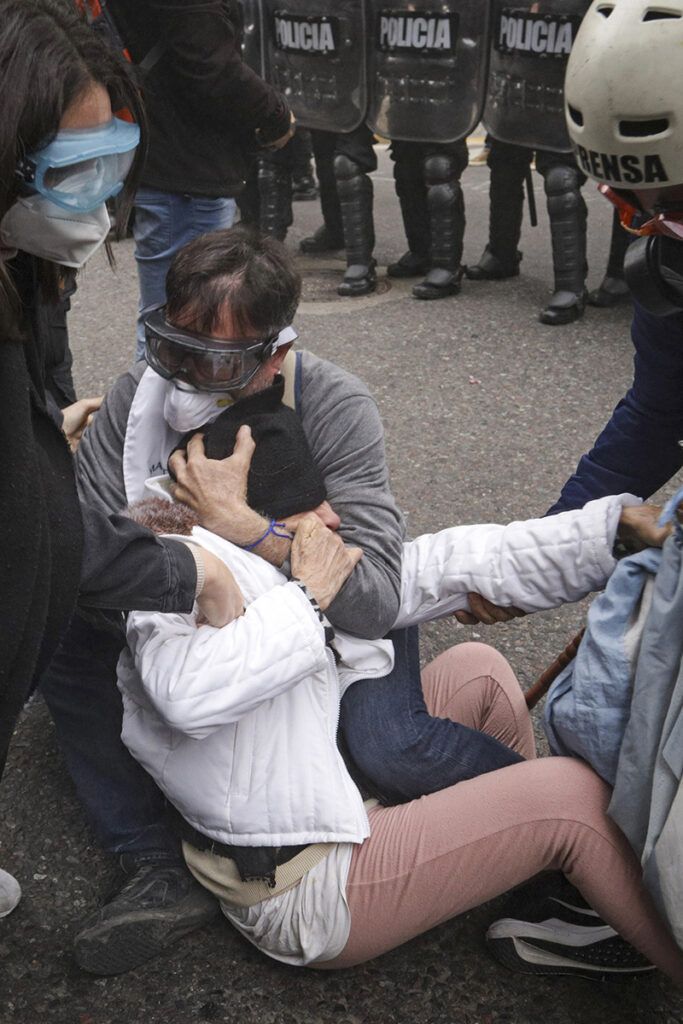
“At the Public University we defend journalism done in the territory, in direct contact with reality, as a fundamental pillar of democratic life, even when the profession is going through precariousness and attacks, and we understand that this journalism is not only built from writing, but also from images. In this sense, photojournalism is central to our narratives” concluded Larisa Kejval.
- The News Agency of the Communication Sciences Career (ANCCOM) was created 10 years ago.
- More than 700 students took part in the educational project.
- More than 5,300 notes were published on its website.
- 30,000 photos, produced in-house, make up its collection.
- His first book includes 150 images and 19 testimonies from practitioners, now professionals, who went through their pedagogical experience.