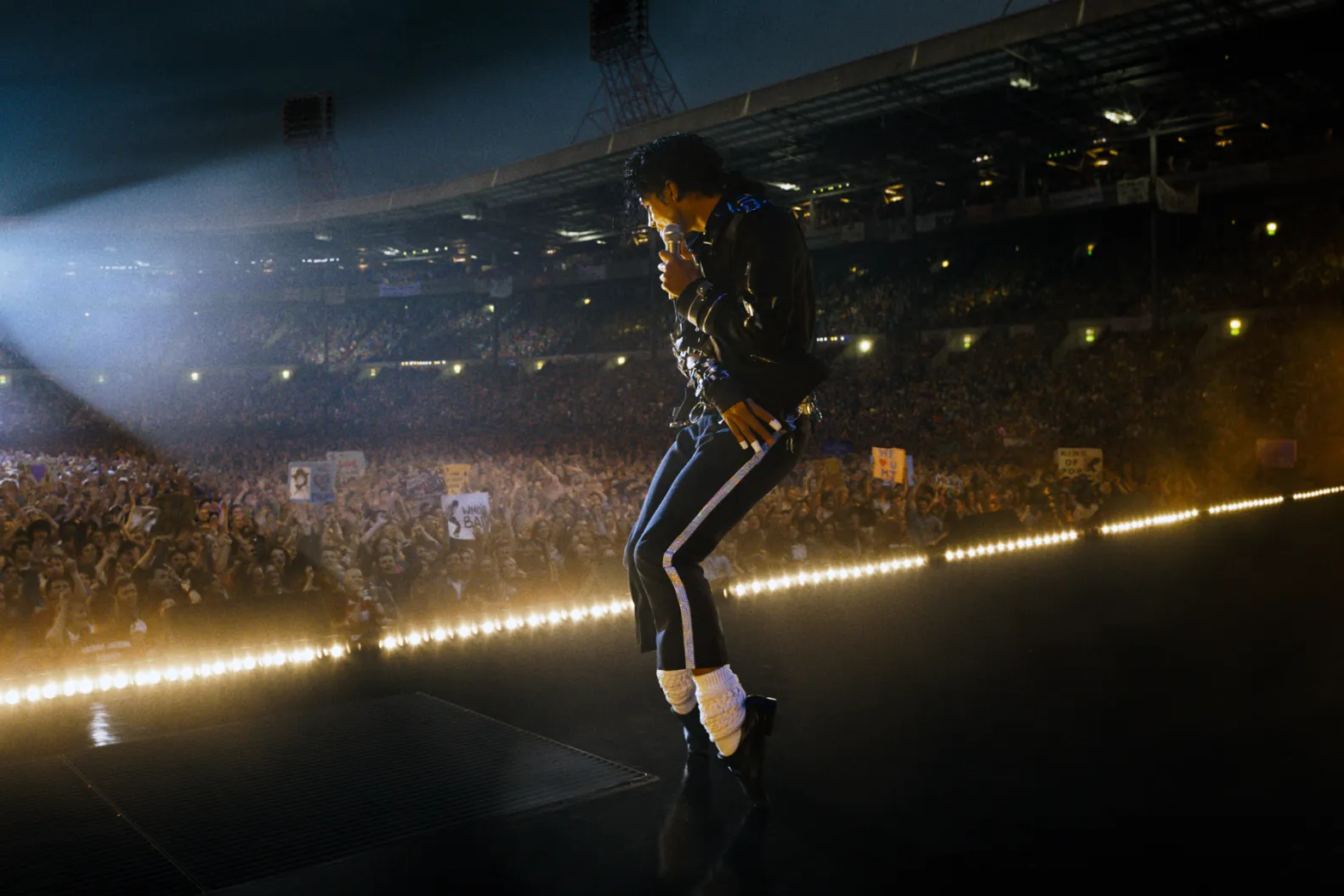
The long-awaited film about the life of Michael Jackson lands in Latin American theaters this Thursday to narrate the meteoric rise of the greatest pop legend, combining an astonishing musical spectacle with a narrative that explores from his roots in Gary to his global consecration.
You may also be interested in: Jack Quaid and Claudia Doumit seal their union in a secret rural wedding
The rise of a legend from The Jackson 5 to the top of pop
The plot of this production is immersed in 1966 in Gary, Indiana, where a young Michael Jackson, played masterfully by Juliano Krue Valdibegins his artistic career. The film exposes the family dynamics under the severe discipline of his father, Joseph Jacksonwhose ambition to leave poverty fueled the exploitation of his children under the Motown label. This initial arc establishes the foundations of an artist who, despite the lack of a conventional childhood, projected a creative vision without limits.
The narrative makes strategic time jumps to 1978, placing the viewer in the transition towards artistic autonomy. The script of John Logan details fundamental milestones such as:
- The strategic signing by the Epic record label.
- The collaboration with key figures for the launch of off the wall (1979).
- The unprecedented cultural phenomenon that entailed Thriller (1982).
- The professionalization of your environment with the arrival of the lawyer John Brancaplayed by Miles Teller.
Jaafar Jackson and the challenge of playing the King of Pop
The choice of Jaafar Jacksondirect nephew of the artist, results in an interpretation described as sublime by the specialized press. Beyond the obvious physical resemblance, the actor manages to replicate the gestures and choreographic complexity characteristic of his uncle. This role not only represents a professional challenge, but also a symbolic closure to the historical family tensions between his father, Jermaine, and Michael.
The address of Antoine Fuqua enhances technical deployment with exhaustive production design. Aspects such as:
- Wardrobe Fidelity: Many of the garments used by Jaafar originally belonged to Michael Jackson himself, including pieces donated by collectors.
- Choreographic excellence: The work of the choreographers “Rich + Tone”, historical collaborators of the star, guarantees total authenticity in the musical sequences.
- Photography and setting: The detailed reconstruction of iconic settings, such as the Tower Records store or the locations of the “Thriller” video, provides a deep immersion into the era.
Criticism divided over the narrative depth and editorial approach
Despite its technical success, the film faces mixed opinions on critical platforms. In Metacritic reaches a score of 38/100, while in Rotten Tomatoes averages 33% approval. Media like Variety and The Hollywood Reporter They point out that the work offers an idealized vision, avoiding delving into the controversies that marked the singer’s later years.
Specialists like David Fear from Rolling Stone and Peter Bradshaw of Guardian They agree that the film works more as an exaltation of the myth than as an exhaustive biography. This perception of “sweetening” has even been mentioned by Paris Jacksonwho suggests that the personal portrait lacks the darker nuances of his father’s reality.
The incident with Pepsi and the break with the family yoke
One of the points of greatest tension in the film is the recreation of the accident that occurred during the recording of a commercial for Pepsi. This event, caused by a pyrotechnic failure that caused serious burns to the singer, is presented as the final catalyst for the conflict with his father. After the tour VictoryMichael Jackson finally manages to separate himself from Joseph’s management, marking his definitive independence during the start of the tour. Bad in London in 1988.
Bumpy production and the mystery of the deleted footage
The delay of the premiere, originally scheduled for 2025, responds to legal and narrative complications linked to the Jackson family’s confidentiality agreements. Preliminary versions suggested that the film would begin in Neverland in 1993, directly addressing the artist’s legal shadows. However, due to contractual restrictions managed by John Branca, the structure was modified to focus on the years of musical glory, leaving open the possibility of a sequel under the motto “His story continues.”