The Federal Government will implement metal detection arches, X-rays and a preventive deployment of the National Guard at the country’s archaeological sites. This strategy responds to recent events in Teotihuacán, seeking to guarantee the integrity of national and international visitors through advanced surveillance technology.
You may also be interested in: Guide to spot the Lyrid meteor shower 2026 in Mexico
Security strategy after events in Teotihuacán
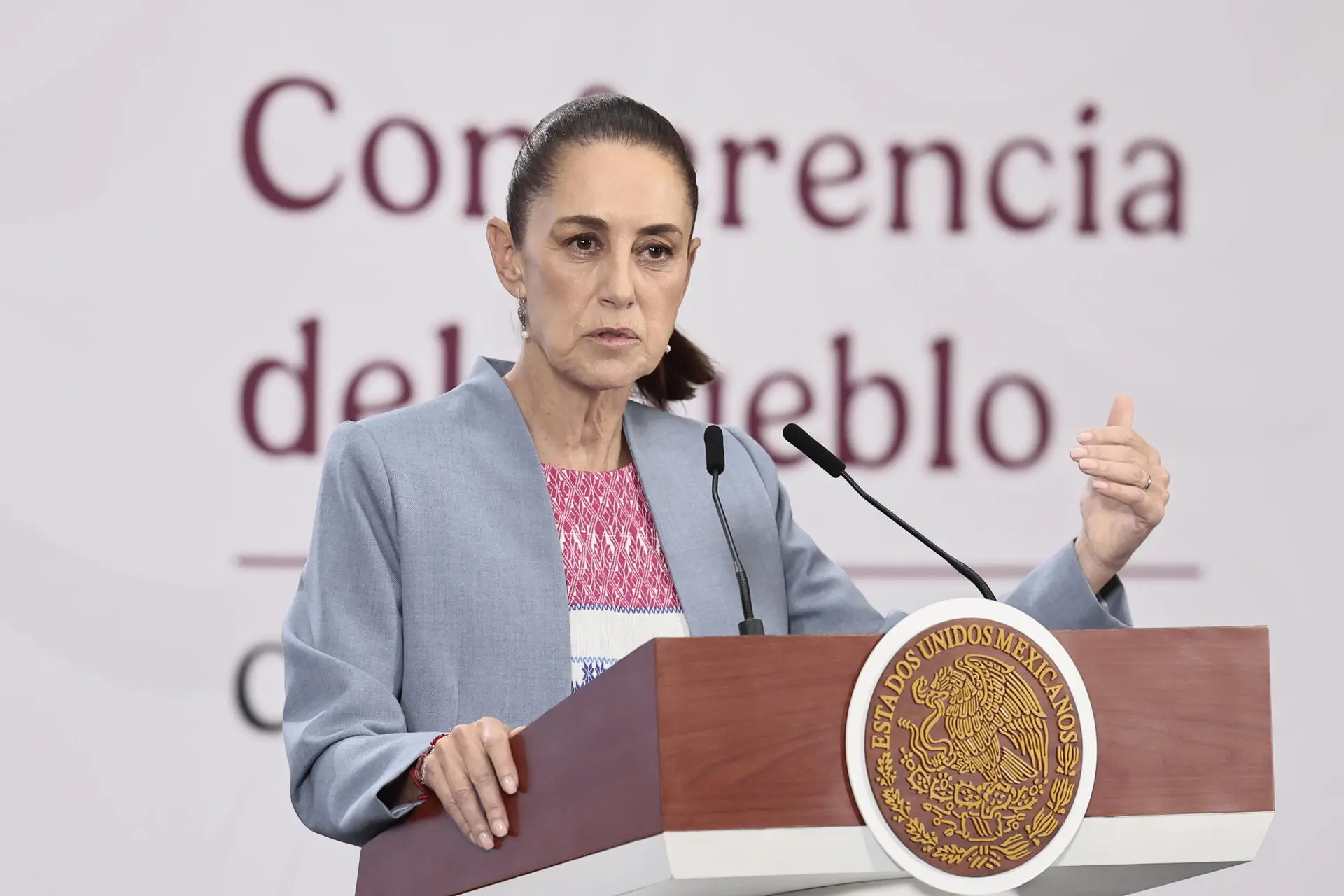
The federal administration confirmed a restructuring in the access protocols to cultural venues after the shooting in the archaeological zone of Teotihuacán. The incident, described as an isolated event derived from psychological factors of the attacker, left one foreign tourist dead and thirteen injured. Given the historical absence of review systems at these points, the presidential instruction to the Secretariats of Security and Culture is to establish close coordination for the installation of specialized equipment.
Although the implementation of X-ray arches requires a gradual technical process, the presence of the National Guard will be immediately intensified at the entrances to the main archaeological zones in Mexico. This measure will not be limited to the State of Mexico, but will be extended to the entire network of sites under the protection of the National Institute of Anthropology and History (INAH) to prevent the entry of firearms.
Impact on the operation of cultural sites
The INAH determined the temporary closure of Teotihuacán until further notice, affecting the flow in the second most visited site in the nation, which receives 1.6 million people annually, a figure only surpassed by the 2 million visitors to Chichén Itzá. The management of the incident involved tours of private hospitals to care for the victims and direct follow-up with the affected families by the Ministry of Culture and the IMSS.
INAH surveillance and management background
The security problem in cultural venues is not a recent phenomenon. During the previous cycle, various museums and archaeological zones experienced preventive closures due to insufficient security personnel. This situation worsened after the cancellation of contracts with private security companies, a decision aimed at generating budget savings through the transition to Auxiliary Police services.
- Campuses affected by lack of personnel:
- Chapultepec Castle National History Museum.
- Templo Mayor Archaeological Zone.
- Cuicuilco Archaeological Zone.
- National Museum of Anthropology (affected even during the reception of the Princess of Asturias Award).
These shortcomings led to the removal of the INAH Directorate of Security and Protection of Cultural Heritage. Worker groups have stated that the replacement of specialized personnel by agents with general training has compromised the response capacity and the protection of cultural heritage.
Preventive measures and institutional vision
The official position emphasizes that, although a safe environment is sought, extreme measures that alter the tourist experience will be avoided. The investigation of the recent attack, which culminated in the suicide of the attacker identified as Julio César Jasso, remains under the jurisdiction of the corresponding prosecutor’s offices.
The current priority is focused on closing the technological income gap. Strengthening surveillance at the entrances is the direct response to the detected vulnerability, prioritizing proactive detection before visitors access the open areas of the monuments. The authority recognizes the need to pay attention to a typology of unprecedented incidents in the context of tourism and cultural management in Mexico.