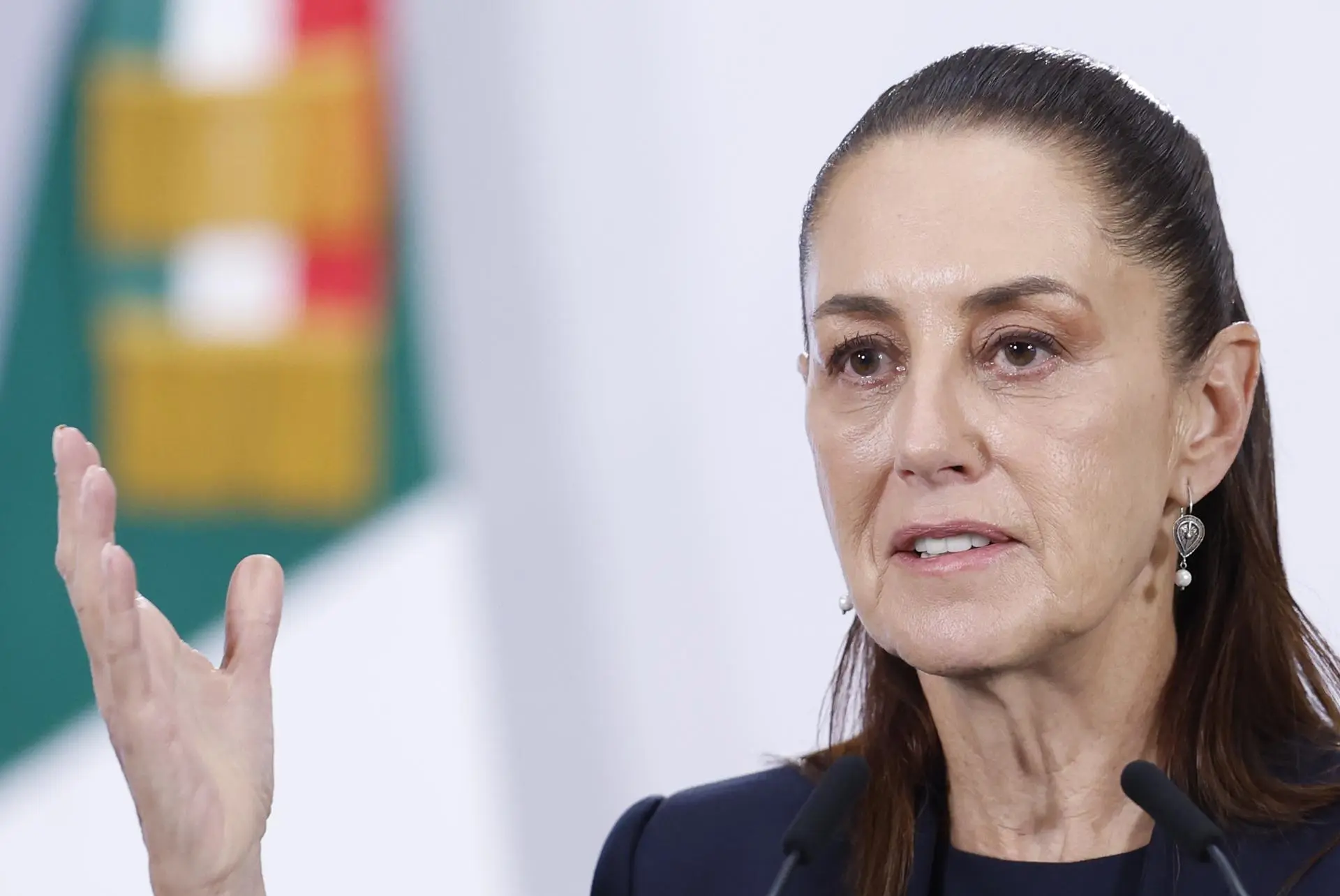
The federal government detected an unjustified increase in the cost of diesel despite the current tax subsidies. Given this disparity, Claudia Sheinbaum’s administration will begin tax audits and meetings with businessmen to stabilize prices and transfer the benefit of the stimulus to the end consumer.
You may also be interested in: Mexico Group: Claudia Sheinbaum reactivates the sanitation of the Sonora River with a million-dollar investment
State intervention in the face of rising fuel prices
The federal administration confirmed that there are no technical or economic foundations that validate the current levels in the cost of diesel. At various service stations, high prices are recorded that directly contrast with the support granted through the Special Tax on Production and Services (IEPS). This tax reduction represents an injection of public resources specifically designed to contain energy inflation, an objective that is compromised by the pricing policies of certain concessionaires.
The current management emphasizes that the use of the public budget to subsidize energy must be reflected in the pump. However, it has been identified that various gas stations maintain profit margins that absorb the fiscal stimulus without passing it on to transporters and end users.
Supervision and dialogue with the hydrocarbon sector
To correct these distortions, the Executive scheduled a strategic meeting with businessmen from the gas sector this Tuesday, April 21. The purpose of the meeting is to break down the operational causes of the increase and establish control mechanisms that guarantee the stability of costs throughout the national territory.
- SAT Review: Inspection protocols will be activated with financial institutions to detect irregularities in the value chain.
- Price monitoring: The federal government will ensure that the stations operate within the established official ranges.
- Administrative sanctions: Measures against those who maintain prices outside of market reality and government support are not ruled out.
International market dynamics and internal adjustments
The global context of hydrocarbons presents favorable conditions that reinforce the presidency’s position. The value of the Mexican oil mix registered a downward trend, falling from 100 to 88 dollars per barrel. This reduction in the cost of raw materials is a determining factor that should lead to a natural drop in the prices of derivatives, a situation that has not occurred in the diesel segment.
The Ministry of Finance and Public Credit (SHCP) is evaluating an additional financial strategy to force a greater reduction in the price of diesel, projecting a target below 28 pesos per liter.
This technical planning seeks to align with the economic reality of international inputs. Simultaneously, a direct recommendation has been issued to users to prioritize supply at stations that maintain competitive prices, fostering market pressure on concessionaires who persist in maintaining high rates without technical justification.