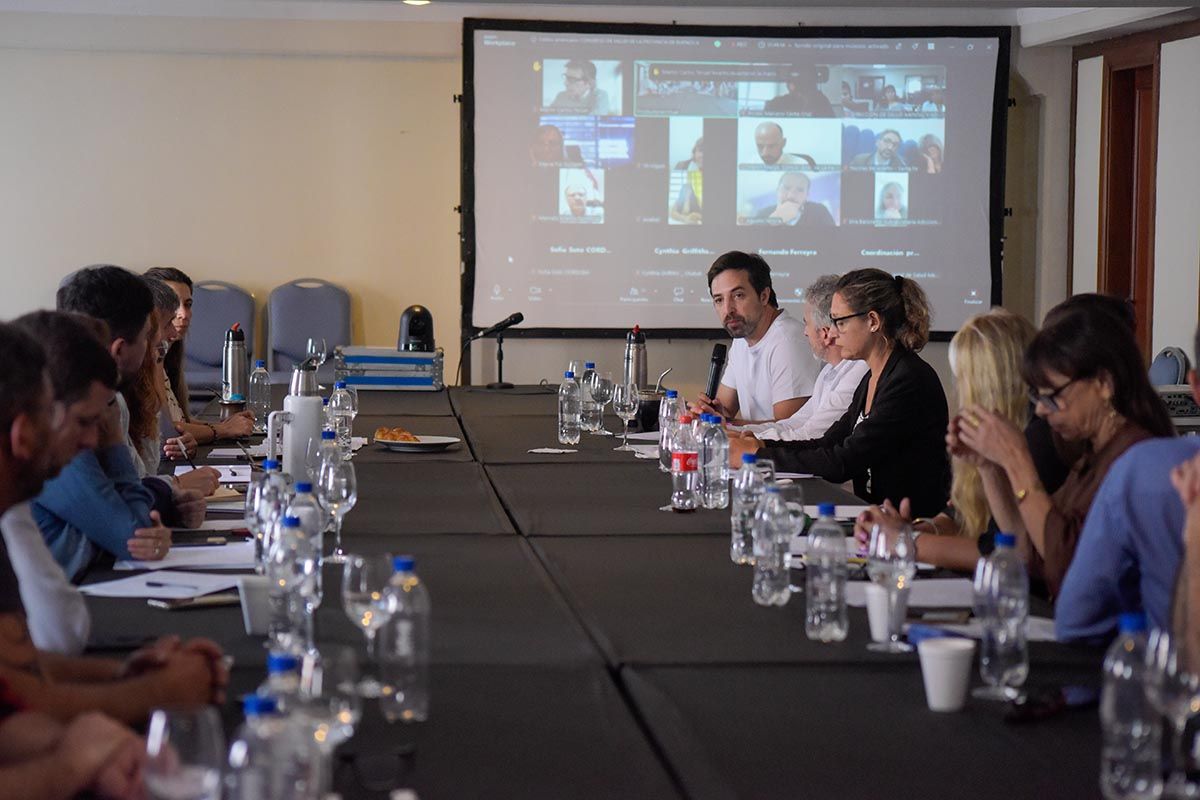
This Monday morning it began to develop a new meeting of the Federal Health Council (COFESA) which brings together the provincial ministers of the area. One issue will be the lack of vaccines in shipments from the Nation, which Córdoba and the Province of Buenos Aires have been denouncing for some time and which the Executive attributes to “the complexities of the geopolitical context.” They will also talk about access to high-cost medications, and finally another high point of discussion: the reform promoted by La Libertad Avanza to the Mental Health Law.
But prior to the meeting, representatives of 18 jurisdictions They made clear their rejection of the official initiative (which seeks to win the agenda again in the face of the Adorni scandals, the employment crisis and high inflation). Last week, Health officials from PBA met within the framework of the PBA Provincial Health Council. La Pampa, Neuquén, Tierra del Fuego, Misiones, Buenos Aires, Santiago del Estero, Chubut, Salta, Córdoba, Santa Fe, Río Negro, Tucumán, Formosa, Corrientes, La Rioja, Jujuy, Santa Cruz and San Luis; also the 135 health secretaries. Everyone prioritized mental health as an issue. With alarming data, such as the rise in 77% in hospitalizations.
The draft of the new Mental Health Law was presented on Saturday in the Senate. Among other controversial points, It promotes a maniac-like profile and greater forced hospitalizations, gives more power to psychiatrists and judges, and removes the mandatory minimum investment from the national State.
Mental Health: rights in setbacks
The participation of health authorities from 18 provinces took place within the framework of the Provincial Health Congress (CoSaPro), which brought together more than 15,000 participants, where the 3rd Federal Mental Health Meeting was held, which also included the National Mental Health Review Body and the Honorary Advisory Council.
At the meeting they warned about the increase in demand, national underfunding and the risk of setbacks in laws. There was also agreement among the 135 Buenos Aires municipalities to strengthen public policies on mental health.
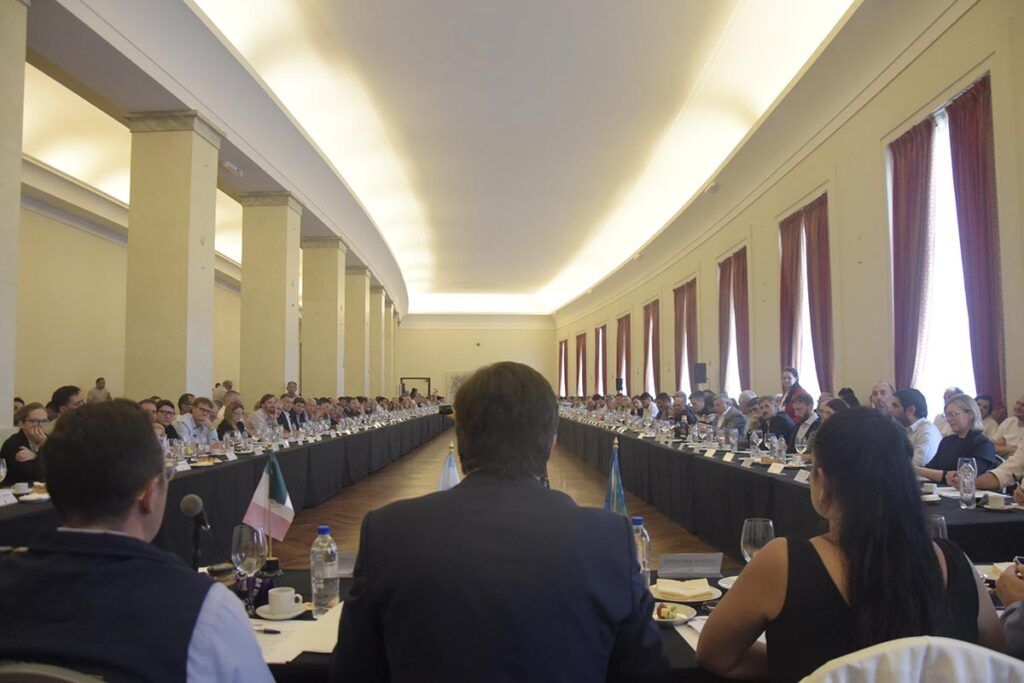
They highlighted that we are experiencing a “mental health emergency context”, characterized by a sustained increase in illnesses throughout the country. They presented the 2025 federal report, with alarming data: a 77% increase in mental health hospitalizations and a 134% increase in the demand for outpatient care.
«The provinces indicated that the current situation has not improved, but, on the contrary, has worsened, which reflects greater pressure on the public health system, in a scenario of strong defunding by the national State. In this framework, deep concern was also expressed about the problem of suicide and the deterioration of the conditions of access to care,” attendees at the meeting mentioned.
They highlighted the need to analyze the mental health situation in relation to the current social context, crossed by economic adjustment and the increase in inequalitiesfactors that directly impact the suffering of the population.
Strong rejection
In relation to the project to reform the National Mental Health Law promoted by the Ministry of Health of the Nation, the authorities expressed their “strong rejection.” They warned that the initiative “implies a setback in terms of rights, by withdrawing essential sources of financing, “incorporate new barriers to access care in emergency and hospitalization situations, and dismantle the community approach established by current legislation.”
Furthermore, they highlighted that none of the provinces were consulted in the project development process, “which constitutes a violation of the basic principles of health federalism” and ignores the sustained work of jurisdictions in the implementation of public policies on mental health.
They also raised “the urgent need” to reactivate COFESAMA (Federal Council of Mental Health and Addictions) “as an institutional sphere of debate and collective construction of public policies, the call for which has been repeatedly requested by the provincial health authorities.”
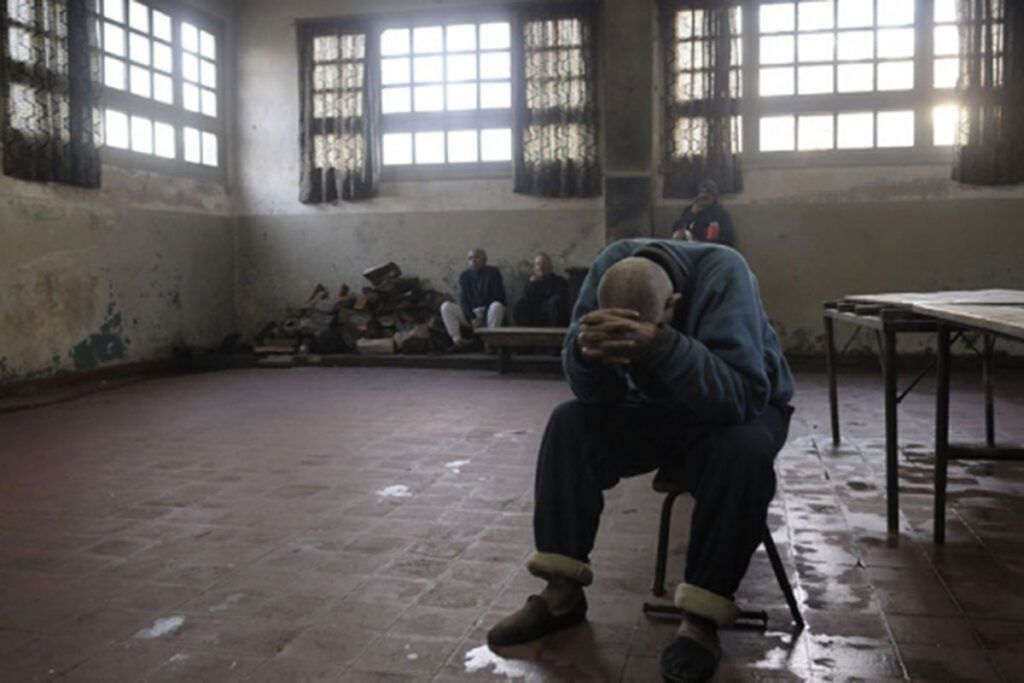
During the meeting, the authorities agreed: strengthen federal work and decision-making bodies commensurate with the magnitude of the current situation; promote the development of federal epidemiological studies and clinical guidelines of good practices“especially for emergency care in childhood and youth, in coordination with national universities”; and recognize that mental health conditions have medium and long-term impacts and require policies sustained over time.
“ANDIt is a law that will generate more expenses for the State, without the consequent benefit for society. A bed in a mental hospital is always more expensive than a short stay in a general hospital. If it seeks to favor the private system, it fulfills its objective, but in no way can we say that it will be beneficial for the community,” he highlighted. Time Doctor in Psychology, Alberto Trímboli, founder of the Argentine Mental Health Association (AASM), former president of the World Federation of Mental Health (WFMH), one of those who participated in the drafting of the current law and, ultimately, one of the country’s leading mental health specialists.
«PIt seems written by corporate sectors with strong economic interests, because it destroys the community framework ordered by law.and strengthen devices madhouses (today called specialized hospitals or psychiatric clinics). It is striking that it was even reported that ‘serious’ cases will be admitted to monovalent hospitals and “mild” cases will be admitted to general hospitals. That is inapplicable«, he noted.

Trímboli spoke of the «conflicts of interest” of National Health officials “for being owners of private clinics, being owners of prepaid medicine companies and addiction care institutionsand there, in my opinion, is the reason why the law is officially attacked.
He also referred to the investment issue. The current law, voted in 2010, established a clear horizon: integration of mental health into the general health system, development of community devices, progressive replacement of the monovalent model and allocation of a budget floor of 10% of the total health budget for the area. The Government reform removes that 10%. “That 10% was not a symbolic figure: it was the material condition for the paradigm shift to be possible,” says Trímboli.
“The community model requires interdisciplinary work, coordination with justice, social development, education and housing and work policies,” he added. It is not enough to change the rule: institutional practices consolidated for decades must be changed. In relation to the claims that emerge in cases of family members with high media exposure, it is important to note that “The law does not prohibit involuntary hospitalization as is often heard.”
And he concluded: «The discussion should not be reduced to “more or less hospitalizations”, but rather to how to build a system that intervenes in time, that accompanies the community and that uses hospitalization, when necessary, as an exceptional resource. and not as an automatic response.
Agreement of the 135 Buenos Aires municipalities
In parallel to the Mental Health meeting, at the CoSaPro assembly, the 135 municipalities of the province of Buenos Aires agreed on a series of common guidelines to address mental health in their territories, strengthening integration with provincial policies and promoting an articulated response to the increase in demand.
According to what they stated, the “Guidelines for public policies on Mental Health and Problematic Consumption in the Municipalities of the Province of Buenos Aires” seek to organize municipal policies for the current stage and their integration with the provincial ones “in the framework of a very high incidence of illnesses in the sphere of mental health.”
In addition, the authorities reaffirmed “the commitment to sustain and strengthen federal and provincial coordination spaces, and warned that any attempt at regressive reform that limits rights or reduces financing will only aggravate the current mental health crisis.”